






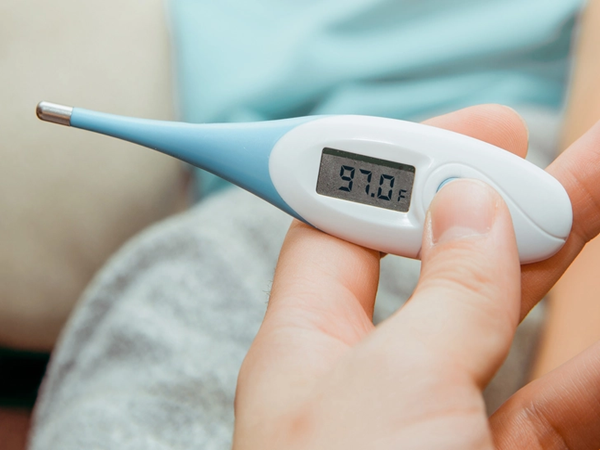
Intermittent fever is a fever that rises and then returns to normal before coming back again. It may happen due to infections and other health conditions. The pattern of fever can give a doctor useful clues, but it cannot identify the exact cause on its own.
In India, intermittent fever may occur with illnesses such as malaria, dengue, urinary tract infections and other infections. The right tests depend on your symptoms, medical history and possible exposure to infection.
This guide explains what intermittent fever means, its common causes, warning signs, diagnostic tests and when to seek medical help.
What Is Intermittent Fever?
Intermittent fever is a fever pattern in which body temperature rises above the normal range for a period and then returns to normal for some time before rising again.
A body temperature of around 38°C (100.4°F) or higher is commonly considered a fever, although the reading can vary with age, the time of day and how the temperature is measured.
For example, a person may develop a fever in the afternoon, feel better later and then develop another fever the next day. This may be described as intermittent fever.
However, fever patterns can overlap. A person should not rely on the timing of a fever alone to decide which illness they have.
Why Is Intermittent Fever Important?
Intermittent fever matters because it may be a sign that the body is responding to an infection or another medical problem. Finding the cause helps doctors decide what care or treatment may be needed.
The fever may be linked to:
-
Viral or bacterial infections
-
Mosquito-borne diseases, such as malaria or dengue
-
Urinary tract infections
-
Certain long-lasting infections
-
Inflammatory conditions or, less commonly, other illnesses
Important: A fever that goes away and returns does not always mean the infection is mild. Seek medical advice if the fever keeps coming back, lasts several days or occurs with other symptoms.
What Are the Common Types of Fever Patterns?
Doctors may describe fever according to how the temperature changes over time. These patterns can offer clues, but they do not confirm a diagnosis.
|
Fever pattern |
What it means |
|---|---|
|
Intermittent fever |
Temperature rises and returns to normal for a period. |
|
Remittent fever |
Temperature rises and falls but stays above normal. |
|
Continuous fever |
Temperature remains above normal with only small changes. |
|
Recurrent fever |
Fever episodes return after longer periods without fever. |
The terms intermittent and recurrent may sometimes be used differently in everyday conversation. A doctor will consider the full illness history rather than the label alone.
What Causes Intermittent Fever?
Intermittent fever can have many causes. The likely cause depends on other symptoms, how long the fever has lasted, recent travel, mosquito exposure and a person's medical history.
Common possible causes include:
1. Malaria
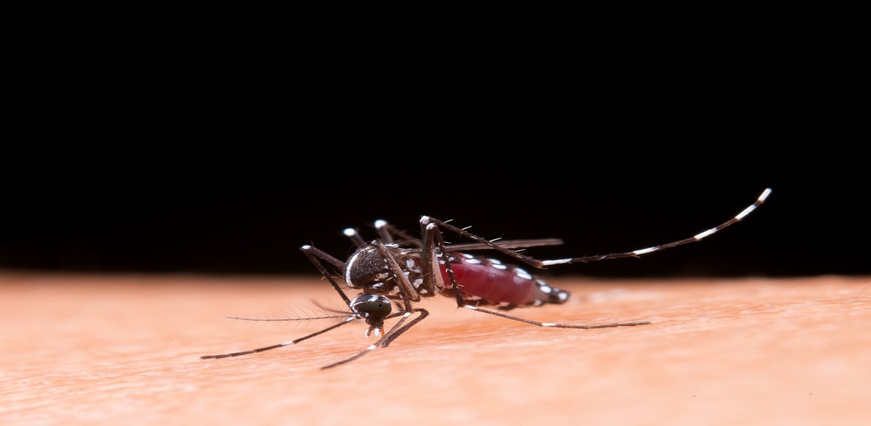
Malaria is an infection spread by infected mosquitoes. It may cause fever, chills, sweating, headache and weakness. Some people have fever episodes that seem to follow a pattern, but the fever pattern alone cannot confirm malaria. A doctor may recommend a blood test to check for the infection.
2. Dengue
Dengue is another mosquito-borne infection. It may cause fever, headache, pain behind the eyes, body aches, nausea or a rash. Warning signs can appear even as the fever starts to settle, so medical advice is important if dengue is suspected.
3. Typhoid Fever
Typhoid is a bacterial infection that can spread through contaminated food or water. Symptoms may include fever, weakness, headache, stomach pain and changes in bowel habits. A doctor may recommend suitable tests based on the stage of illness and symptoms.
4. Other Viral or Bacterial Infections
Flu-like illnesses, respiratory infections and other infections may cause fever that rises and falls. Some bacterial infections may need specific treatment, so repeated fever should not be treated with antibiotics without medical advice.
5. Urinary Tract Infection (UTI)
A UTI can cause fever, pain or burning while passing urine, frequent urination or pain in the lower abdomen. Sometimes, especially when the infection affects the kidneys, fever may occur with chills or back pain.
6. Other Medical Conditions
If fever continues or keeps returning, a doctor may consider other causes, including certain long-lasting infections or inflammatory conditions. The right evaluation depends on the person's symptoms and examination.
What Are the Symptoms of Intermittent Fever?
The main sign is a temperature that rises and later returns to normal, sometimes followed by another rise. Other symptoms depend on the cause.
Possible symptoms include:
-
Chills or shivering
-
Sweating
-
Headache
-
Muscle or body pain
-
Tiredness or weakness
-
Reduced appetite
-
Nausea or vomiting
-
Cough or sore throat
-
Skin rash
-
Stomach pain
-
Pain or burning while passing urine
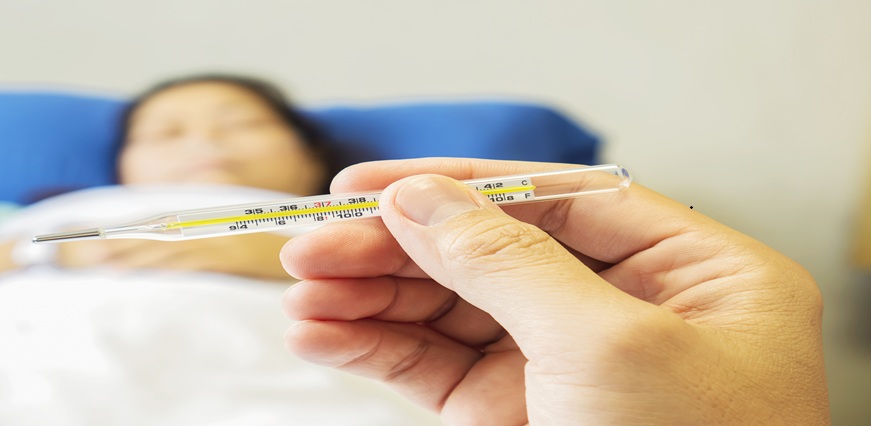
Keep a record of your temperature and symptoms. Note when the fever starts, how high it gets, when it settles and whether you have taken any medicine. This information can help your doctor.
How Is Intermittent Fever Diagnosed?
A doctor diagnoses the cause of intermittent fever by reviewing symptoms, examining the patient and ordering tests when needed. There is no single test that can identify every cause of intermittent fever.
Your doctor may ask:
-
When did the fever begin?
-
Does it return at a similar time each day?
-
Do you have chills, a rash, cough or stomach symptoms?
-
Have you travelled recently or had mosquito exposure?
-
Have you taken any medicines?
-
Do you have any existing health conditions?
The answers help guide the choice of tests.
Which Tests May Be Recommended for Intermittent Fever?
The tests depend on the suspected cause. A doctor may recommend one test or a combination of tests.
|
Test |
What it may help check |
|---|---|
|
Complete Blood Count (CBC) |
Checks blood cells and may provide clues about infection or other conditions. |
|
Malaria test |
Looks for evidence of malaria infection. |
|
Dengue test |
Checks for dengue markers, with the test selected according to the stage of illness. |
|
Typhoid-related tests |
May help investigate suspected typhoid; results must be interpreted with symptoms and medical history. |
|
Urine test or urine culture |
May help detect a urinary infection. |
|
CRP or other inflammation tests |
May show signs of inflammation but do not identify the cause by themselves. |
|
Liver or kidney function tests |
May be requested when symptoms or the examination suggest they are needed. |
The tests listed above are examples, not a checklist everyone needs. Some infections require a particular test at a particular time. A negative result may not always rule out an infection, so your doctor may advise repeat testing or another investigation.
Is a Fever Profile Test Needed?
A fever profile is a group of laboratory tests used to investigate possible causes of fever. The tests included vary by package. For example, Max Lab lists fever panels that may include tests such as a blood count, dengue testing, malaria testing and urine investigations. The exact panel and its suitability should be checked before booking.
A fever profile may be useful when a doctor wants to investigate several possible causes. However, a larger test package is not always necessary. Follow your doctor's advice about which tests are appropriate for your symptoms.
How Are Tests for Intermittent Fever Performed?
The process depends on the test ordered.
-
Test selection: Your doctor recommends tests based on your symptoms and medical history.
-
Sample collection: A trained professional collects a blood or urine sample, depending on the test.
-
Laboratory testing: The sample is checked using the required method.
-
Report review: Your doctor interprets the results alongside your symptoms and examination.
Do You Need to Fast Before a Fever Test?
Many common fever-related tests do not require fasting, but preparation can vary by test or package. Check the instructions for your specific test and ask the laboratory or your doctor if you are unsure.
Do not delay urgent medical care just because you have not prepared for a test.
How Can You Care for Yourself While You Have a Fever?
While waiting for medical advice, you can take simple steps to support your comfort:
-
Drink water and other suitable fluids regularly.
-
Rest and avoid strenuous activity.
-
Wear light, comfortable clothing.
-
Check your temperature with a thermometer and record the readings.
-
Take medicine only as advised by a healthcare professional.
-
Avoid starting antibiotics or using leftover prescription medicines on your own.
If dengue is possible, seek medical advice before taking pain or fever medicines. Some medicines, including aspirin and ibuprofen, may increase bleeding risk in dengue.
Home care does not replace medical evaluation when the fever is severe, persistent or keeps returning.
When Should You Consult a Doctor?
Arrange a medical assessment if your fever keeps returning, lasts more than a few days, gets worse or occurs with other concerning symptoms. Seek advice sooner if the person is very young, older, pregnant, has a weakened immune system or has a serious long-term condition.
Seek Urgent Medical Care if You Have:
-
Trouble breathing or chest pain
-
Confusion, fainting or difficulty waking
-
A severe headache with a stiff neck
-
Severe or ongoing abdominal pain
-
Repeated vomiting or inability to keep fluids down
-
Bleeding from the nose or gums, blood in vomit or stool, or unusual bruising
-
Very little urine, severe weakness or signs of dehydration
-
A seizure
For babies younger than 3 months, a temperature of 38°C (100.4°F) or higher needs urgent medical assessment.
Do not wait for the fever to return or for test results if any emergency warning sign is present.
How Can Max Lab Help?
If you have a fever that keeps returning, your doctor may recommend laboratory tests to help investigate the possible cause. Max Lab offers fever-related diagnostic tests and panels, with options depending on the test and location.
You can explore:
-
Fever Tests and Panels — view available fever-related tests and packages.
-
Max Fever Panel (Comprehensive) — review the tests included and check current booking details.
-
Max Lab Website — explore diagnostic services and available sample collection options.
The tests you need depend on your symptoms and your doctor's advice. Check the current package details and service availability for your location before booking.
Call to action: Have a fever that keeps coming back? Consult a doctor to understand the possible cause, then explore the relevant fever tests at Max Lab.
Conclusion
Intermittent fever can happen for several reasons, including malaria, dengue, typhoid and other infections. Although the fever may settle between episodes, this does not always mean the underlying problem has gone away.
Track your temperature and other symptoms, drink fluids and consult a doctor if the fever persists or keeps returning. Your doctor can decide whether tests such as a CBC, malaria test, dengue test or urine test are needed.
If testing is recommended, explore the available fever tests and panels at Max Lab and check which options are suitable for your needs.












 To reach our help desk call 7982100200
.png)