






Epilepsy is a neurological condition that affects millions of people in India, yet misconceptions and stigma still keep many from seeking timely care. National Epilepsy Day, marked every year on 17 November, exists to change that, and to point people toward diagnosis and treatment rather than silence.
What Is National Epilepsy Day?
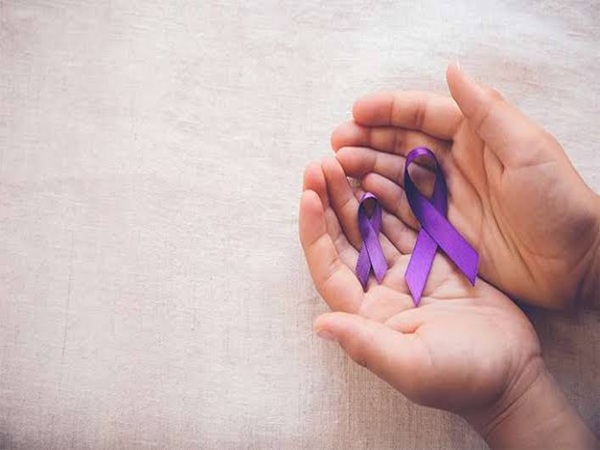
National Epilepsy Day is an India-specific observance, held every year on 17 November, distinct from International Epilepsy Day, which falls in February. The day is meant to raise awareness about epilepsy as a brain condition, challenge the myths and stigma that still surround it in India, and point people toward diagnosis and treatment, including support for those who cannot easily afford it.
The History Behind National Epilepsy Day
The day traces back to the Indian Epilepsy Association (IEA), founded in Mumbai in 1970 by neurologists Dr Anil D Desai, Dr Eddie P Bharucha and Dr Noshir H Wadia. At its general body meeting in Indore on 17 December 1990, the IEA decided to mark 17 November every year as National Epilepsy Day, and the first observance followed in November 1991. Other organisations, including Epilepsy Foundation India, a Mumbai-based non-profit founded later by neurologist Dr Nirmal Surya, have since joined in running awareness campaigns, patient support and free or subsidised care for the day and through the year.
What Is Epilepsy?
Epilepsy is a brain condition that causes repeated, unprovoked seizures, bursts of unusual electrical activity in the brain. A single seizure doesn't necessarily mean epilepsy. Doctors generally diagnose epilepsy only after two unprovoked seizures more than 24 hours apart, or sometimes after just one, if tests show a high chance of it happening again.
How Common Is Epilepsy in India?
Around 50 million people have epilepsy worldwide, and nearly 80 percent of them live in low- and middle-income countries. India alone is thought to be home to more than 10 million people with epilepsy, among the largest numbers of any country.
What's more striking than the numbers is the treatment gap, the proportion of people with epilepsy who are not getting appropriate treatment. Indian studies have reported this gap ranging from around 22 percent in an affluent, highly literate urban community to as high as 90 percent in some rural areas, with most studies across the country landing somewhere in between. Globally, the World Health Organization notes that about three-quarters of people with epilepsy in low-income countries don't get the treatment they need, even though effective, inexpensive treatment exists.
What Causes Seizures and Epilepsy?
In roughly half of all cases worldwide, no clear cause is ever found. Where a cause is identified, it can include:
-
Brain injury before, during or shortly after birth
-
A significant head injury later in life
-
Stroke or reduced blood supply to the brain
-
Brain infections, such as meningitis or encephalitis
-
Brain tumours or other structural problems in the brain
-
Genetic conditions and syndromes
One cause is particularly relevant in India: neurocysticercosis, an infection in which the larvae of the pork tapeworm lodge in the brain. This happens from swallowing the tapeworm's eggs, usually through food, water or hands contaminated with human faeces, not from eating undercooked pork itself. Undercooked pork can give a person an intestinal tapeworm, but it's swallowing the eggs, often shed by someone else who carries that intestinal tapeworm, that leads to the brain cysts. In some Indian community studies, neurocysticercosis has been found responsible for roughly a third of epilepsy cases with an identifiable cause, though this varies a good deal by region and the study.
What Are the Types of Seizures?
Doctors broadly group seizures by where in the brain they start. Focal seizures begin in one area of the brain and may or may not affect awareness, depending on how far they spread. Generalised seizures involve both sides of the brain from the start and more often affect awareness or movement throughout the body. Some seizures start focally and then spread to become generalised, and in others, doctors aren't able to tell where they began.
How Is Epilepsy Diagnosed?
Getting the diagnosis right matters, since treatment depends on the type of epilepsy and what's causing it. The main tests include:
A detailed account of what the seizure actually looked like, ideally from someone who witnessed it, remains central to diagnosis. Tests support and refine that picture rather than replacing it:
-
Electroencephalogram (EEG): records the brain's electrical activity through electrodes on the scalp, and is an important test that supports diagnosis and helps classify the type of seizure. A normal EEG between seizures does not rule out epilepsy, so a longer recording or video-EEG monitoring may be needed if the first one doesn't show anything.
-
MRI of the brain: looks for a structural cause, such as scarring, a malformation, an old injury or a tumour, that a scan can pick up but a routine checkup can't.
-
Blood tests: mainly used to rule out other causes of seizures, such as a sugar or electrolyte imbalance or an infection, rather than to diagnose epilepsy itself.
-
Other tests, such as a lumbar puncture or genetic testing, are used in specific situations based on what the history and initial findings suggest.
It is always best to consult a doctor to work out which of these tests are actually needed in a given case, rather than requesting all of them at once.
Seizure First Aid: What to Do
If you see someone having a seizure, especially a convulsive one:
-
Stay calm, and time how long the seizure lasts
-
Ease the person to the floor if they're standing, and clear the area of anything hard or sharp nearby
-
Put something soft under their head if you can, and loosen anything tight around their neck
-
Do not hold them down or try to stop the movements
-
Do not put anything in their mouth
-
Once the shaking stops, turn them onto their side with their mouth angled downward, so any fluid can drain out, and stay with them until they're fully alert
-
Do not offer food, drink or water until they have fully recovered
-
If they have a doctor-prescribed seizure action plan or rescue medicine, follow it, and only give rescue medicine if you have been trained to do so
When Is a Seizure a Medical Emergency?
Call for emergency help straight away if:
-
This is the person's first known seizure, or you aren't sure whether they have epilepsy
-
The seizure lasts 5 minutes or longer, or longer than is usual for that person
-
A second seizure starts before the person has recovered from the first, without regaining consciousness in between
-
The person is injured, has ongoing difficulty breathing or doesn't regain their usual alertness afterward, or may have inhaled food, drink or vomit
-
The seizure happens in water
-
The person is pregnant
In India, this means calling 112. A convulsive seizure lasting 5 minutes or more, or repeated seizures without recovery in between, is called status epilepticus, a genuine medical emergency that needs urgent treatment. Status epilepticus can also happen without the obvious shaking of a convulsive seizure, so prolonged confusion or unresponsiveness after a seizure is also worth an urgent call rather than a wait-and-see approach.
How Is Epilepsy Treated?
With the right anti-seizure medicine, up to 70 percent of people with epilepsy can become seizure free. Finding the right medicine and dose can take some adjustment, and it's taken under a doctor's guidance, not changed or stopped on one's own even when seizures have been well controlled for a while. For the smaller group whose seizures don't respond to medicines, other options such as epilepsy surgery, a special ketogenic diet, particularly in children, or nerve-stimulation devices may be considered by a specialist.
Breaking the Stigma
Epilepsy is not contagious, and it is not a sign of possession, punishment or a curse, misconceptions that still cause real harm by keeping people from seeking treatment or being treated fairly at school or work. With the right treatment, most people with epilepsy live full, ordinary lives. Stigma can add substantially to the difficulties of living with epilepsy, sometimes keeping people from seeking treatment, attending school or working, which is exactly what National Epilepsy Day is trying to change.








 To reach our help desk call 7982100200
.png)