







Chronic obstructive pulmonary disease, or COPD, is one of the leading causes of death worldwide, yet many people live with it for years before they're diagnosed, often mistaking breathlessness and a lingering cough for just getting older. World COPD Day, marked every year in November, exists to change that by pushing earlier diagnosis and treatment.
What Is World COPD Day?
World COPD Day is an international awareness and education event, organised by the Global Initiative for Chronic Obstructive Lung Disease (GOLD) together with healthcare professionals and patient groups around the world. It falls on the third Wednesday of November each year, which in 2026 is 18 November.
The History Behind World COPD Day
The first World COPD Day was held in 2002. Since then, organisers in more than 50 countries have run awareness and education activities each year.
This Year's Theme
The 2026 theme is “Early Diagnosis and Management for a Better Life.” GOLD's own messaging explains that although COPD is common, preventable and treatable, it is still widely under- and misdiagnosed, so many people only start treatment once the disease is already well advanced. Starting appropriate treatment earlier, especially bronchodilator therapy and smoking cessation support, can help preserve lung function, reduce symptoms and lower the chance of future flare-ups.
What Is COPD?
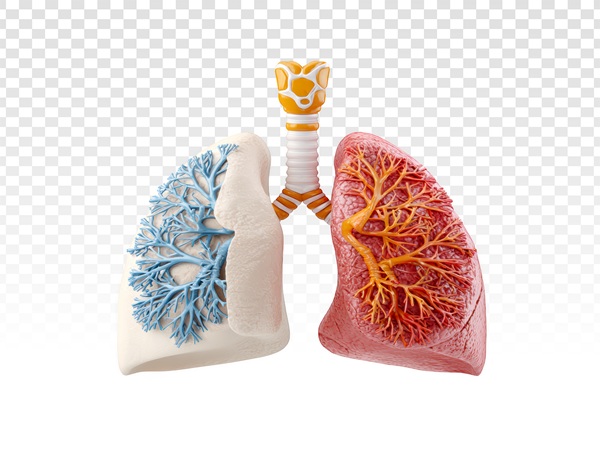
COPD is an umbrella term for long-term lung conditions, mainly chronic bronchitis and emphysema, that narrow the airways and damage the air sacs in the lungs, making it harder to breathe out fully. The damage already done is largely permanent, but treatment can ease symptoms, reduce flare-ups and slow how quickly the disease gets worse.
How Common Is COPD, and How Does India Compare?
COPD is the third leading cause of death worldwide, causing an estimated 3.4 million deaths in 2023, around 6 percent of all deaths globally. A 2023 modelling study projected that between 2020 and 2050, India would see the third-largest aggregate economic loss from COPD of any country, after China and the United States, a figure that reflects effects on productivity and investment as well as healthcare spending, not a ranking of deaths or how many people are affected.
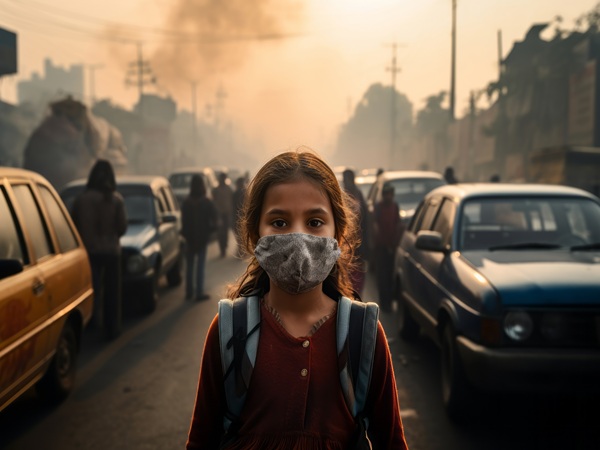
A 2021 review of Indian studies estimated COPD prevalence among adults aged 30 and above at roughly 7 percent, though the underlying studies varied a good deal in population and method, so this is best read as a rough national picture rather than a precise figure. A separate review found COPD among Indian non-smokers too, including people exposed to biomass cooking smoke, though estimates varied widely between the studies pooled. One household-level fact helps explain why: per India's most recent National Family Health Survey (2019-21), around 41 percent of Indian households still cooked with solid fuels such as wood or dung, rising to well over half of rural households, and this smoke exposure is a recognised risk factor for COPD even in people who have never smoked.
What Causes COPD?
The most common causes and risk factors include:
-
Smoking, including long-term exposure to secondhand smoke, which is the leading cause worldwide
-
Smoke from biomass fuels used for cooking or heating, an important risk factor in India and other low- and middle-income countries
-
Long-term exposure to dust, fumes or chemicals at work
-
Outdoor air pollution over many years
-
Alpha-1 antitrypsin deficiency, an inherited condition that makes the lungs more vulnerable to damage, particularly in people who also smoke
What Are the Symptoms of COPD?
COPD usually develops slowly, over years, and common symptoms include:
-
Breathlessness, especially during activity, that gradually gets worse over time
-
A persistent cough, often with mucus, that doesn't go away
-
Wheezing or a tight feeling in the chest
-
Frequent chest infections
-
Low energy and, in later stages, unintended weight loss
How Is COPD Diagnosed?
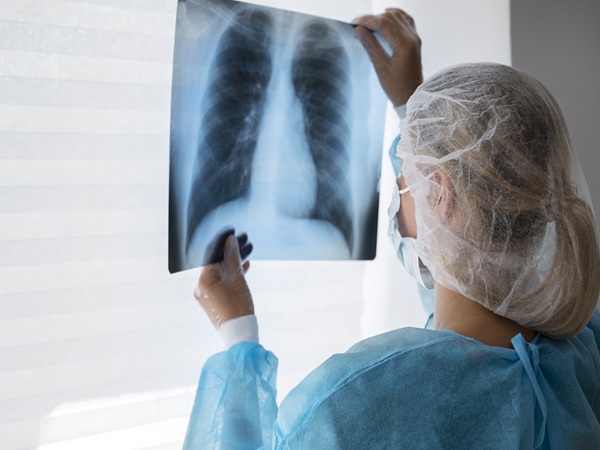
COPD is diagnosed from a combination of symptoms, a history of exposure to risk factors such as smoking or biomass smoke, and a breathing test called spirometry. Spirometry measures how much air you can breathe out and how quickly. A result showing the ratio of air breathed out in the first second to the total amount breathed out (FEV1/FVC) below 0.70 after a bronchodilator medicine has been given points to persistent airflow obstruction, which is needed to confirm COPD rather than another cause of breathlessness. A borderline result may need to be repeated.
Once COPD is confirmed, doctors grade how severe the airflow obstruction is using the FEV1 (the air breathed out in the first second) as a percentage of what's expected for someone's age, height and sex. How troublesome someone's symptoms are and how often they have flare-ups are assessed separately, and both pieces together guide which treatments are likely to help most.
When Is a COPD Flare-Up a Medical Emergency?
A flare-up, or exacerbation, is a spell where symptoms get noticeably worse than usual. Early warning signs worth contacting your treating team about promptly, ideally the same day, include more breathlessness than usual during everyday activities, more coughing than usual, a change in the colour or amount of mucus, needing a rescue inhaler more often, or a new fever. Follow your written COPD action plan if you have one, and use rescue medicines as prescribed, but don't delay emergency help while waiting to see if they work.
Call for emergency help straight away if:
-
Breathlessness is severe or rapidly worsening, especially if your usual rescue treatment isn't helping
-
The lips or fingertips look blue or grey
-
There is chest pain
-
There is confusion, severe drowsiness or trouble staying alert
-
There is difficulty speaking in full sentences because of breathlessness
-
There is more than a few spots or streaks of blood in the mucus, or any blood alongside breathlessness or chest pain
In India, this means calling 112 or going to the nearest emergency department without delay. Don't drive yourself if you're severely breathless, faint or confused. Have someone else take you, or call for an ambulance.
How Is COPD Treated?
For people who smoke, stopping is the single most effective step at any stage of COPD, and the one change most likely to slow the disease down. Beyond that, treatment is tailored to how severe the disease is and can include:
-
Inhaled bronchodilators, which relax the airways and are the mainstay of treatment
-
Inhaled corticosteroids, added to bronchodilator treatment for some people with frequent flare-ups, since they also carry a small added risk of pneumonia that's weighed up before starting them
-
Pulmonary rehabilitation, a structured programme of exercise and education that improves day-to-day breathlessness and quality of life
-
A check of inhaler technique, since a correctly used inhaler makes a real difference to how well treatment works
-
Vaccination against influenza, pneumococcal infection and COVID-19, which can help prevent some flare-ups
-
Long-term oxygen therapy, for people whose blood oxygen levels are found to be persistently low enough to qualify for it
Which of these apply to a particular person is a decision for their treating doctor, based on their test results and how their symptoms affect daily life.
Reducing Your Risk
Not every case of COPD can be prevented, but several things are known to help lower the risk or slow its progress:
-
Not smoking, and getting support to quit if you do
-
Switching to cleaner cooking fuel where possible, or improving kitchen ventilation if biomass fuel is still used
-
Using protective equipment where work involves dust, fumes or chemicals
-
Getting recommended vaccinations, including the yearly influenza vaccine
-
Seeing a doctor early for a lasting cough or breathlessness, rather than putting it down to age or fitness








 To reach our help desk call 7982100200
.png)