






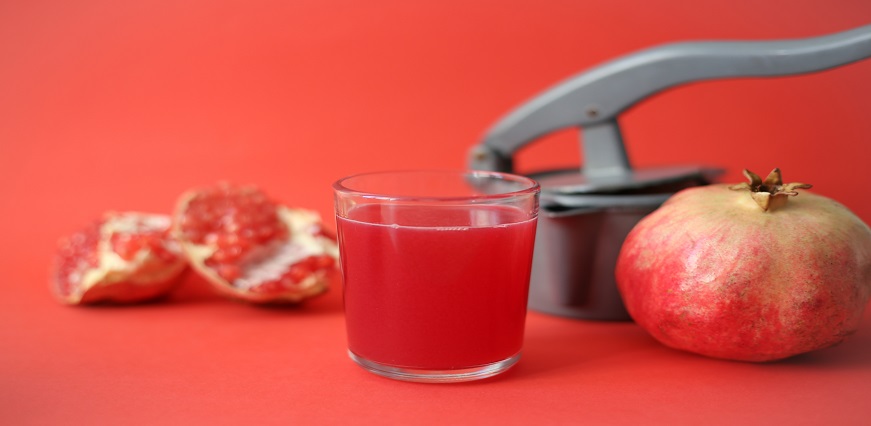
Pomegranate juice benefits include providing antioxidants, supporting heart health, and adding important nutrients to your diet. It contains vitamin C, potassium, and plant compounds called polyphenols. Drinking it in moderate amounts may support overall health, but it should be part of a balanced diet and not a replacement for medical treatment.
Nutritional Value of Pomegranate Juice
Pomegranate juice contains several nutrients and natural plant compounds that support the body's normal functions.
Some important nutrients include:
-
Vitamin C: Supports the immune system and helps protect cells.
-
Potassium: Helps maintain normal muscle and nerve function.
-
Folate: Supports cell growth and development.
-
Polyphenols: Plant compounds with antioxidant properties.
-
Natural sugars: Provide energy but can add to daily sugar intake.
The exact nutritional value depends on the serving size and whether the juice is fresh, packaged, or sweetened.
7 Important Pomegranate Juice Benefits
1. Rich in Antioxidants
Pomegranate juice contains antioxidants such as polyphenols and anthocyanins. These compounds help protect cells from oxidative stress caused by free radicals.
2. Supports Heart Health
Pomegranate juice contains plant compounds that may support blood vessel health. Some research suggests it may help improve certain heart health markers, although more studies are needed.
3. Supports Digestive Health
Pomegranate juice provides some plant compounds that contribute to a healthy diet. However, whole pomegranate contains more fibre than juice and may be a better choice for supporting regular digestion.
4. Helps Support Immunity
Pomegranate juice provides vitamin C and antioxidants that support normal immune system function. It can be included as part of a varied and nutritious diet.
5. May Support Healthy Blood Pressure
Some studies suggest that drinking pomegranate juice may help reduce blood pressure in certain people. However, it should not replace prescribed blood pressure medicines.
6. Supports Skin Health
The antioxidants and vitamin C in pomegranate juice help protect cells and support normal collagen production. These nutrients contribute to healthy skin.
7. Provides Energy
Pomegranate juice contains natural carbohydrates that provide energy. A small serving can be included in a balanced breakfast or as part of a healthy snack.
Best Time to Drink Pomegranate Juice
There is no scientifically established best time to drink pomegranate juice. You can enjoy it:
-
In the morning: As part of breakfast.
-
During the day: As a refreshing drink with a meal.
-
After physical activity: To add fluids and carbohydrates.
Choose unsweetened juice and keep the serving moderate.
Side Effects of Pomegranate Juice
Pomegranate juice is generally safe for most people when consumed in moderate amounts. However, some people may experience:
-
Stomach discomfort
-
Nausea
-
Loose stools
-
Allergic reactions in people sensitive to pomegranate
-
Increased sugar intake, especially with large servings or added-sugar products
People with diabetes should consider its carbohydrate content and monitor their blood glucose. If you take regular medicines, particularly blood pressure medicines, consult your healthcare professional before consuming large amounts regularly.
Who Should Be Careful While Drinking Pomegranate Juice?
Some people should take extra care:
-
People with diabetes or blood sugar concerns.
-
People who experience acidity or digestive discomfort.
-
People with a known pomegranate allergy.
-
People taking regular medicines who plan to consume large amounts.
Frequently Asked Questions
1. What are the main benefits of pomegranate juice?
Pomegranate juice provides antioxidants and nutrients that may support heart health, blood vessel function, and overall wellness.
2. Can I drink pomegranate juice every day?
Most people can enjoy moderate amounts of unsweetened pomegranate juice as part of a balanced diet. Avoid excessive consumption because it contains natural sugar.
3. Is pomegranate juice good for the heart?
It contains polyphenols that may support blood vessel health. Some studies suggest possible benefits for blood pressure, but it is not a treatment for heart disease.
4. Is pomegranate juice good for skin?
It contains antioxidants and vitamin C, which support normal skin health and collagen production. However, drinking it alone cannot prevent or treat skin problems.
5. Can people with diabetes drink pomegranate juice?
People with diabetes should be mindful of portion size and natural sugar content. Choose unsweetened juice and discuss suitable portions with a healthcare professional.
6. Is pomegranate juice better than eating whole pomegranate?
Whole pomegranate is generally a better source of fibre because juicing removes much of the fruit's fibre. Both can be included in a balanced diet.
7. Does pomegranate juice help lower blood pressure?
Some research suggests it may help lower blood pressure in certain people. However, it should not replace prescribed medicines or medical advice.
Conclusion
The main pomegranate juice benefits come from its antioxidants, vitamin C, potassium, and other plant compounds. It may support heart health, blood vessel function, skin health, and overall nutrition. Choose unsweetened juice, consume it in moderation, and include whole fruits and vegetables in your daily diet for a balanced approach to health.















 To reach our help desk call 7982100200
.png)