





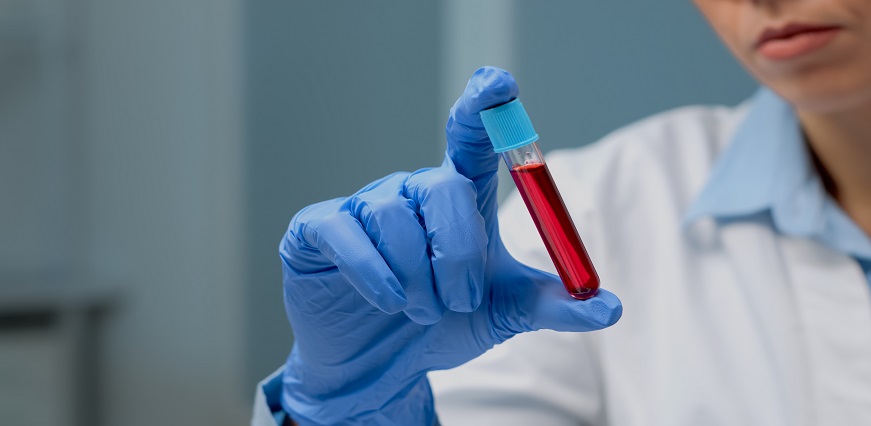
Haemoglobin is a protein in red blood cells that carries oxygen around your body. When haemoglobin is low, your body may not get enough oxygen. This can make you feel tired, weak or dizzy. Low haemoglobin can happen for many reasons, including iron deficiency, blood loss, vitamin deficiency and some health conditions.
What Is Haemoglobin?
Haemoglobin is found inside red blood cells. It helps carry oxygen from the lungs to the whole body and helps carry carbon dioxide back to the lungs. Your body needs enough haemoglobin to work properly. A blood test called a Complete Blood Count (CBC) can check haemoglobin levels.
What Does Low Haemoglobin Mean?
Low haemoglobin means the amount of haemoglobin in your blood is below the expected level. It may be a sign of anaemia, but the meaning depends on your age, sex, pregnancy status and overall health. Doctors usually look at haemoglobin along with other blood test results to find the reason.
What Are the Symptoms of Low Haemoglobin?
The symptoms of low haemoglobin can be mild or strong depending on how low the level is and how quickly it has fallen. Tiredness and weakness are common signs. Some people may also feel dizzy, have headaches, pale skin or shortness of breath.
Common symptoms include:
- Feeling tired all the time
- Weakness
- Dizziness
- Headache
- Pale skin
- Shortness of breath
- Fast heartbeat
- Feeling cold
- Poor concentration
- Low energy
Some people with mildly low haemoglobin may have no clear symptoms.
What Are the Signs of Low Haemoglobin?
The signs of low haemoglobin may be easy to miss at first. You may feel more tired than usual, have less energy or become breathless during activities. Pale skin, pale gums and a fast heartbeat may also occur. The signs can be different from person to person.
Other possible signs include:
- Pale skin or pale inside the eyelids
- Feeling weak
- Getting tired after small amounts of activity
- Dizziness when standing
- Cold hands and feet
- Headaches
- Fast or irregular heartbeat
These signs do not always mean low haemoglobin. A blood test is needed to check your haemoglobin level.
What Causes Low Haemoglobin?
There are many reasons why haemoglobin can become low. Iron deficiency is one of the common causes, but low haemoglobin can also happen due to blood loss, vitamin B12 or folate deficiency, long-term diseases, kidney problems and inherited blood conditions.
Common causes include:
1. Iron Deficiency
Iron is needed to make haemoglobin. If your body does not get enough iron, haemoglobin production may decrease. Iron deficiency can happen because of poor diet, blood loss, increased needs or problems absorbing iron.
Foods containing iron include green leafy vegetables, lentils, beans, nuts, seeds, meat, eggs and fish.
2. Blood Loss
Blood loss can reduce red blood cells and haemoglobin. Heavy periods are a common cause in some women. Blood loss can also happen because of injuries, surgery, frequent blood donation or bleeding in the digestive system.
If blood loss is unusual or continues for a long time, medical evaluation is important.
3. Vitamin B12 Deficiency
Vitamin B12 helps your body make healthy red blood cells. A lack of vitamin B12 can lead to low haemoglobin and a type of anaemia. It may happen because of poor intake, absorption problems or certain health conditions.
B12 is found mainly in foods such as milk, eggs, fish, meat and some fortified foods.
4. Folate Deficiency
Folate, also called vitamin B9, is needed to make new cells, including red blood cells. Low folate can cause low haemoglobin and anaemia.
Green leafy vegetables, beans, peas, citrus fruits and fortified foods are common sources of folate.
5. Long-Term Health Conditions
Some long-term health problems can affect red blood cell production and cause low haemoglobin. Kidney disease, chronic inflammation and some other medical conditions may be linked with anaemia.
The treatment depends on the condition causing the low haemoglobin.
6. Inherited Blood Conditions
Some people are born with blood conditions that affect haemoglobin or red blood cells. Examples include thalassaemia and sickle cell disorders. These conditions may cause low haemoglobin and require special medical care.
If low haemoglobin keeps coming back, your doctor may recommend additional tests.
Can Low Haemoglobin Cause Tiredness?
Yes, low haemoglobin can cause tiredness and weakness. Haemoglobin carries oxygen around the body. When the level is low, your muscles and organs may not receive enough oxygen, which can make you feel tired, especially during physical activity.
However, tiredness can have many other causes. A blood test can help determine whether low haemoglobin is involved.
Can Low Haemoglobin Cause Dizziness?
Yes, dizziness can occur when haemoglobin is low, especially when the level is significantly reduced. Some people may feel light-headed or weak when standing or walking.
If dizziness is severe, sudden or happens with chest pain, fainting or breathing difficulty, seek medical care promptly.
Can Low Haemoglobin Cause Shortness of Breath?
Shortness of breath can be a symptom of low haemoglobin. When haemoglobin is low, the body may try to work harder to deliver enough oxygen. You may notice breathlessness while walking, climbing stairs or doing other activities.
Severe or sudden breathing difficulty needs urgent medical attention because it can have many causes.
What Happens If Haemoglobin Is Very Low?
Very low haemoglobin can reduce the amount of oxygen delivered to the body's organs. Severe anaemia may cause extreme weakness, breathlessness, rapid heartbeat, dizziness or fainting.
The seriousness depends on the haemoglobin level, how quickly it dropped and the person's overall health. Very low haemoglobin needs medical evaluation and treatment.
How Is Low Haemoglobin Diagnosed?
A Complete Blood Count (CBC) is one of the main tests used to check haemoglobin. It also measures red blood cells, white blood cells and platelets.
If haemoglobin is low, your doctor may suggest other tests to find the cause, such as:
- Iron profile
- Ferritin
- Vitamin B12
- Folate
- Kidney function tests
- Other tests based on your symptoms and medical history
Finding the cause is important because treatment is different for different types of anaemia.
How to Increase Low Haemoglobin?
The treatment for low haemoglobin depends on its cause. If iron deficiency is responsible, your doctor may recommend iron-rich foods or iron supplements. If vitamin B12 or folate is low, the appropriate vitamin may be recommended.
Helpful habits may include:
- Eat iron-rich foods
- Include green leafy vegetables
- Eat pulses, beans and nuts
- Include suitable sources of vitamin B12
- Eat folate-rich foods
- Add vitamin C-rich foods to meals
- Follow your doctor's treatment plan
Do not take iron supplements without medical advice, because not every case of low haemoglobin is caused by iron deficiency.
What Foods Help Increase Haemoglobin?
A balanced diet can support healthy haemoglobin production. Iron, vitamin B12, folate and protein are important nutrients for making healthy blood.
Foods that may help include:
- Spinach and other green vegetables
- Lentils and dals
- Beans and chickpeas
- Nuts and seeds
- Eggs
- Fish
- Meat and poultry
- Milk and dairy products
- Citrus fruits
- Guava and other vitamin C-rich fruits
Vitamin C can help your body absorb iron from plant foods.
When Should You See a Doctor?
You should consult a doctor if you have persistent tiredness, weakness, dizziness, shortness of breath, pale skin or other symptoms of anaemia. Medical advice is also important if a blood test shows low haemoglobin.
Seek prompt medical care for severe breathlessness, chest pain, fainting, a very fast heartbeat or unusual bleeding.
Max Lab: How Can We Help?
Max Lab can help you check your haemoglobin level through a Complete Blood Count (CBC) test. A CBC provides information about haemoglobin, red blood cells, white blood cells and platelets.
You can book a CBC test with Max Lab to check your blood parameters. If your haemoglobin is low, share the report with a qualified healthcare professional. They can help identify the cause and suggest the right treatment.
This article is for general health information and should not replace advice from a qualified healthcare professional.













 To reach our help desk call 7982100200
.png)
Comments