








Detoxing your body is essential for maintaining a healthy lifestyle. It helps to flush out toxins from your body and improve overall health. But how do you go about doing this? In this blog post, we will explore how to detox the body naturally without relying on expensive medications or treatments. We’ll look at ways that you can make your own homemade detox drinks, the importance of eating a balanced diet, and more. Read on to learn the best ways to cleanse and nourish your body and keep it healthy.
What Is Detoxing?
Detoxing generally refers to the process of removing unwanted substances from the body. In popular health trends, the term is often associated with special diets, juices, teas, supplements, or short-term fasting programs.
In reality, your body is continuously carrying out its own detoxification processes. The liver plays an important role in processing many substances, while the kidneys filter waste from the blood and remove it through urine.The digestive system and lungs also contribute to maintaining normal body functions.
Therefore, rather than looking for a quick way to “flush out toxins,” it is more useful to focus on habits that support overall health.
Benefits of Supporting Your Body's Natural Detoxification
A healthy lifestyle can support the normal functioning of your body's organs and systems. Eating nutritious foods, staying active, getting enough sleep, and maintaining adequate hydration can contribute to overall well-being.
Some potential benefits of maintaining these healthy habits include:
-
Supporting normal digestion
-
Maintaining adequate hydration
-
Supporting healthy liver and kidney function
-
Improving overall energy and well-being
-
Supporting cardiovascular health
-
Helping maintain a healthy weight
-
Supporting a strong and healthy lifestyle
It is important to remember that no single food, drink, or exercise can detoxify the body on its own.
Best Foods to Include in Your Diet
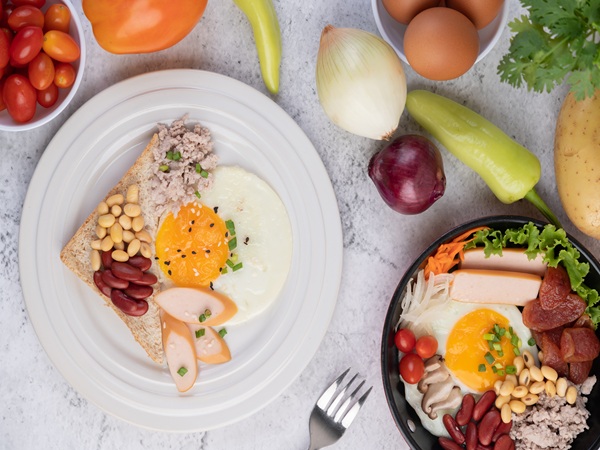
A balanced diet is one of the most effective ways to provide your body with the nutrients it needs. Instead of following a restrictive detox diet, include a variety of nutrient-rich foods in your everyday meals.
1. Fruits and Vegetables
Fruits and vegetables provide essential vitamins, minerals, fiber, and naturally occurring plant compounds.Try to include a variety of colorful fruits and vegetables in your meals.
Examples include:
-
Spinach and other leafy greens
-
Carrots
-
Tomatoes
-
Broccoli
-
Apples
-
Oranges
-
Berries
-
Watermelon
2. Whole Grains
Whole grains such as oats, brown rice, whole-wheat products, and millet can provide fiber and other nutrients. Fiber is important for healthy digestion and regular bowel movements.
3. Beans and Lentils
Beans, lentils, chickpeas, and other legumes are good sources of plant-based protein and fiber. They can be included in a variety of balanced meals.
4. Nuts and Seeds
Nuts and seeds provide nutrients and healthy fats. Almonds, walnuts, flaxseeds, chia seeds, and pumpkin seeds can be added to meals or snacks in appropriate portions.
5. Garlic and Ginger
Garlic and ginger can add flavor and nutrients to your meals. Ginger may also help with occasional nausea and digestive discomfort for some people.
Best Drinks to Support Hydration
Staying hydrated is essential for normal body functions. Rather than relying on expensive detox beverages, simple drinks can be incorporated into a healthy daily routine.
Water
Water is the simplest and most important choice for maintaining hydration. Your individual fluid needs can vary depending on your activity level, climate, diet, and other factors.
Green Tea
Unsweetened green tea contains naturally occurring plant compounds and can be enjoyed as part of a balanced diet.
Lemon Water
Lemon water can be a refreshing alternative to sugary drinks. Adding lemon also provides some vitamin C. However, lemon water itself does not provide a special detoxification effect.
Fruit and Vegetable Juices
Fresh fruit and vegetable juices can provide some nutrients, but whole fruits and vegetables generally contain more fiber. If you choose juice, pay attention to portion sizes and added sugars.
Exercises That Support Overall Health
Exercise is another important part of a healthy lifestyle. Although sweating does not literally remove all toxins from your body, regular physical activity supports cardiovascular health, circulation, muscle function, and overall well-being.
Running and Brisk Walking
Running and brisk walking are accessible aerobic activities that can help improve cardiovascular fitness. Beginners can start with shorter walks and gradually increase their activity.
Swimming
Swimming provides a full-body workout and is a low-impact form of exercise that may be suitable for many people.
Yoga
Yoga combines physical movement, stretching, balance, and breathing exercises. It can be included in a regular fitness and relaxation routine.
Pilates
Pilates focuses on controlled movements, core strength, flexibility, and posture. It can complement other forms of exercise.
Cycling
Cycling provides an aerobic workout while engaging the muscles of the lower body. It can be performed outdoors or on a stationary bicycle.
Other Lifestyle Habits for Better Health
A healthy approach to detoxification involves more than just food and drinks. Your everyday lifestyle also matters.
Get Enough Sleep
Sleep gives your body time to rest and recover. Most adults should aim for approximately 7–9 hours of sleep each night.
Maintaining a consistent sleep schedule and creating a comfortable sleeping environment can help support good sleep habits.
Avoid Smoking
Smoking exposes the body to harmful substances and can negatively affect long-term health. Avoiding tobacco is an important part of maintaining a healthy lifestyle.
Limit Alcohol Consumption
Excessive alcohol consumption can negatively affect the liver and overall health. Limiting alcohol intake can help support long-term well-being.
Manage Stress
Chronic stress can affect sleep, eating habits, energy levels, and overall well-being. Practices such as regular exercise, meditation, breathing exercises, hobbies, and spending time with loved ones may help with stress management.
Should You Try a Detox Diet or Cleanse?
Detox diets, juice cleanses, detox teas, and supplements are frequently marketed as quick ways to eliminate toxins. However, these approaches are not necessary for the body's normal detoxification processes.
Extreme cleansing programs may also result in dehydration, inadequate nutrient intake, or digestive problems. If you are considering fasting, a restrictive diet, or a supplement, particularly if you have a health condition or take medication, consult a healthcare professional first.
When Should You See a Doctor?
Feeling tired or sluggish does not necessarily mean that your body needs a detox. Persistent symptoms can have many different causes and should not automatically be attributed to a buildup of toxins.
Speak with a healthcare professional if you experience persistent or unexplained symptoms such as:
-
Ongoing fatigue
-
Unexplained weight changes
-
Persistent digestive problems
-
Changes in urination
-
Persistent abdominal discomfort
-
Other unusual or concerning symptoms
A healthcare professional can recommend appropriate evaluation or testing based on your symptoms and medical history.
Conclusion
Your body has natural systems that continuously process and eliminate waste. Supporting these systems does not require expensive detox products or extreme cleansing programs.
Instead, focus on simple and sustainable habits: drink enough water, eat a balanced diet, include adequate fiber, exercise regularly, get sufficient sleep, avoid smoking, limit alcohol, and manage stress.
A healthy lifestyle is not about a quick “detox.” It is about making consistent choices that support your overall health and well-being.
With our offerings in line with government-mandated prices, Max Lab offers full body checkup packages that cover an exhaustive list of tests for a comprehensive diagnosis of your health. Choose from a range of health test packages based on your needs.














 To reach our help desk call 7982100200
.png)