










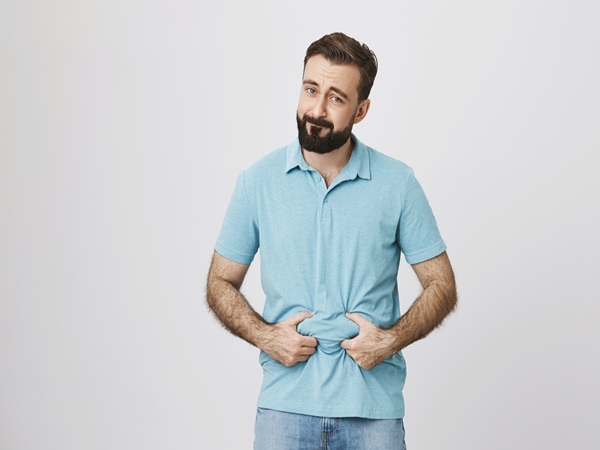
A fuller face can be influenced by several factors, including overall body weight, genetics, age, fluid retention and lifestyle habits. If you are searching for how to reduce face fat, it is important to understand that fat loss cannot usually be targeted to only one part of the body. When overall body fat decreases through sustainable lifestyle changes, changes in facial fullness may also become noticeable.
A healthy approach should focus on balanced nutrition, regular physical activity, adequate sleep, hydration and realistic expectations. Facial exercises may help strengthen facial muscles, but they should not be considered a substitute for overall weight management.
What Causes Face Fat?
Before understanding how to reduce face fat, it helps to identify why the face may appear fuller.
1. Overall Weight Gain
When the body gains excess fat, some of it may be stored around the cheeks, jawline and neck. The amount and location of fat storage differ between individuals.
2. Genetics
Genetic factors influence facial structure, fat distribution and the way the body stores fat. Some people naturally have rounder or fuller faces even when they have a healthy body weight.
3. Water Retention
A temporarily puffy face may not always indicate increased facial fat. Fluid retention can make the face appear swollen or fuller. High sodium intake, dehydration, alcohol consumption and certain health conditions can contribute to fluid retention.
4. Ageing
As people age, changes in collagen, skin elasticity, facial fat distribution and bone structure can alter the appearance of the face. A fuller or less-defined jawline may therefore result from normal ageing rather than weight gain alone.
5. Lifestyle Habits
Poor sleep, excessive alcohol consumption, an unbalanced diet and prolonged inactivity can influence overall health and body composition. Max Lab also identifies genetics, water retention, ageing, alcohol consumption and other lifestyle factors among possible contributors to facial fullness.
How to Reduce Face Fat Naturally?
There is no instant method for removing facial fat. The most sustainable strategy is to work on overall health and body composition.
Here are practical approaches to how to reduce face fat naturally.
1. Focus on Overall Fat Loss
The body does not reliably choose one specific area from which to lose fat. Instead of following a diet designed only for the face, aim for gradual and sustainable overall weight management.
A healthy calorie deficit, when appropriate, combined with nutritious food and physical activity can support weight loss. People who are already at a healthy weight may not need to lose weight simply to change their facial appearance.
2. Eat a Balanced Diet
Diet plays an important role in maintaining a healthy body weight.
Build meals around:
- Vegetables
- Fruits
- Whole grains
- Pulses and beans
- Lean protein
- Nuts and seeds in appropriate portions
- Healthy sources of fats
- Low-fat or suitable dairy products
Minimise frequent consumption of highly processed foods, sugary drinks and foods high in calories but low in nutritional value.A balanced diet is more sustainable than eliminating entire food groups without a medical reason.
3. Reduce Excess Sodium
A high-sodium diet can contribute to fluid retention in some people, potentially making the face appear temporarily puffy.
Common sources of excess sodium include:
- Packaged snacks
- Instant noodles
- Processed meats
- Pickles
- Salted nuts
- Ready-to-eat meals
- Fast food
- Highly salted sauces
Instead of relying heavily on salt, use herbs, spices, lemon or other flavouring ingredients where appropriate.
4. Limit Sugary Beverages
Soft drinks, sweetened juices, energy drinks and other sugary beverages can add significant calories without providing much nutritional value.
Replacing them with water or unsweetened beverages can be a simple lifestyle change that supports overall calorie control.
5. Drink Enough Water
Adequate hydration supports normal body functions and may help prevent dehydration-related fluid shifts.However, drinking excessive amounts of water does not directly burn facial fat. Hydration should be appropriate for your individual needs.
People with kidney, heart or other medical conditions that require fluid restrictions should follow their doctor's advice rather than increasing fluid intake independently.
Exercise and Face Fat
Regular physical activity is an important part of a healthy weight-management plan.
Cardiovascular Exercise
Activities such as brisk walking, cycling, swimming, jogging and dancing can increase energy expenditure and support cardiovascular health.The best activity is one you can perform consistently.
Rather than looking for a workout that specifically burns cheek fat, aim for regular full-body physical activity.
Strength Training
Strength training helps build and maintain muscle and can support body composition and metabolic health.
Exercises may include:
- Squats
- Lunges
- Push-ups
- Rows
- Resistance-band exercises
- Dumbbell exercises
- Bodyweight movements
A combination of aerobic activity and strength training can be more useful for overall fitness than focusing exclusively on one type of exercise.
Stay Active Throughout the Day
Exercise does not have to happen only during a formal workout.Simple habits such as walking more, taking stairs when appropriate, standing regularly and reducing prolonged sitting can help increase daily physical activity.
Can Facial Exercises Reduce Face Fat?
Facial exercises are frequently promoted as a way to achieve a slimmer face or sharper jawline.Exercises such as cheek movements, smiling exercises and jaw movements may strengthen or activate facial muscles. However, evidence that facial exercises directly remove facial fat is limited.
It is therefore better to view facial exercises as an optional addition rather than the primary strategy for how to reduce face fat.
If you experience pain in the jaw, clicking, locking or other discomfort, avoid excessive jaw exercises and consult an appropriate healthcare professional.
Simple Facial Exercises You Can Try
If you enjoy facial exercises, they can be performed gently as part of your routine.
Cheek Lift
-
Smile gently while keeping the rest of your face relaxed.
- Try to lift your cheek muscles upward.
- Hold for a few seconds.
- Relax and repeat several times.
Chin Tuck
-
Sit or stand upright.
- Keep your head level.
- Gently draw your chin backward, as though creating a small double chin.
- Hold briefly and release.
This exercise is more related to neck and posture awareness than direct fat loss.
Controlled Jaw Movement
Move the jaw gently through a comfortable range of motion without forcing it.Avoid exaggerated or repetitive movements if they cause discomfort.
Foods to Limit When Trying to Reduce Facial Fullness
Certain dietary habits can make overall weight management more difficult.
-
Sugary Foods
Frequent intake of sweets, cakes, cookies and other high-sugar foods can increase overall calorie consumption.These foods do not need to be completely eliminated, but portion control and moderation are important.
-
Fried Foods
Deep-fried foods can be high in calories and fat. Frequent consumption may make maintaining a healthy calorie balance more difficult.
-
Highly Processed Foods
Packaged snacks, processed meats and ready-to-eat foods can contain high amounts of sodium, added sugars and calories.
-
Excessive Alcohol
Alcohol contributes calories and can affect dietary choices. It may also contribute to temporary facial puffiness in some people.
-
Very Salty Foods
High sodium intake can contribute to water retention in some individuals, which may temporarily increase facial puffiness.
Foods That Can Support Healthy Weight Management
There is no specific food that melts facial fat. Instead, choose foods that make a balanced eating pattern easier to maintain.
-
Protein-Rich Foods
Protein can help support muscle maintenance and may contribute to satiety.
Good choices include:
- Eggs
- Fish
- Chicken
- Dal
- Beans
- Lentils
- Tofu
- Curd or yogurt
- Paneer in suitable portions
-
Fibre-Rich Foods
Fruits, vegetables, whole grains, legumes, nuts and seeds provide dietary fibre.Fibre-rich foods can help make meals more filling and support a balanced diet.
-
Whole Fruits
Whole fruits provide fibre, vitamins and minerals. They can be a better everyday choice than relying on fruit juices or sweetened beverages.
-
Vegetables
Include a variety of colourful vegetables across meals. They can add volume and nutrients without contributing excessive calories when prepared simply.
Does Drinking Water Reduce Face Fat?
Water does not directly burn facial fat. However, maintaining adequate hydration is important for normal health.If facial puffiness is partly related to dehydration or temporary fluid changes, maintaining appropriate hydration may improve the appearance in some cases.
The idea that drinking a specific amount of water will directly “flush out” facial fat is misleading. Sustainable changes in body composition require an overall approach involving nutrition, physical activity and other lifestyle factors.
Does Sleeping More Help Reduce Face Fat?
Sleep is an important component of overall health and healthy weight management.Poor or insufficient sleep can affect appetite, energy levels and lifestyle choices. Maintaining a consistent sleep schedule can therefore support broader weight-management efforts.
For most adults, aiming for around seven or more hours of sleep each night is a reasonable general target, although individual requirements can vary.Sleep alone will not specifically remove facial fat, but it can be part of a healthier routine.
Stress and Facial Appearance
Long-term stress can affect sleep, eating patterns and physical activity. Some people may respond to stress by eating more calorie-dense foods or becoming less active.
Stress management strategies may include:
- Deep breathing
- Meditation
- Yoga
- Walking
- Spending time outdoors
- Hobbies
- Social connection
- Maintaining a consistent sleep routine
Managing stress is not a direct facial-fat-loss technique, but it can support healthier habits.
How Long Does It Take to Reduce Face Fat?
There is no fixed timeline for facial fat reduction.
Results depend on:
- Starting body composition
- Genetics
- Age
- Diet
- Physical activity
- Sleep
- Rate of overall weight loss
- Individual fat distribution
Some people may notice changes in their face relatively early during overall weight loss, while others may notice changes later.
Avoid extreme diets or rapid weight-loss methods simply to make the face look slimmer. Sustainable progress is generally more appropriate for long-term health.
Can You Lose Face Fat Without Losing Weight?
If your face appears puffy because of temporary fluid retention, addressing factors contributing to puffiness may change facial appearance without reducing body fat.
However, if facial fullness is primarily due to body-fat distribution, losing fat from only the face without affecting overall body weight is generally not possible through diet or exercise alone.Facial structure, genetics and ageing also influence appearance, so a fuller face does not necessarily mean that a person needs to lose weight.
Face Fat vs Facial Puffiness
It is useful to distinguish between fat and puffiness.
Facial fat refers to adipose tissue contributing to facial fullness.
Facial puffiness may be associated with temporary fluid accumulation or other factors.
A face that suddenly becomes swollen is different from a face that has gradually become fuller with weight gain.
If facial swelling appears suddenly, is severe, affects breathing, involves the lips or tongue, or occurs with other concerning symptoms, seek medical attention promptly.
Can Medical Conditions Cause Facial Swelling?
Yes. Facial swelling can sometimes be associated with medical conditions rather than ordinary facial fat.Potential causes can include allergic reactions, infections, dental problems, thyroid disorders, kidney or heart-related conditions and certain medications.If facial swelling is persistent, unexplained or accompanied by other symptoms, medical evaluation is advisable.Do not assume that every instance of facial fullness is caused by excess fat.
When Should You See a Doctor?
Consider speaking with a healthcare professional if:
- Facial swelling appears suddenly
- Swelling is persistent or unexplained
- You have difficulty breathing or swallowing
- Your lips, tongue or throat become swollen
- Swelling occurs with severe pain or fever
- You experience unexplained rapid weight changes
- Facial changes occur alongside other concerning symptoms
A healthcare professional can help identify whether the issue is related to body weight, fluid retention, medication, an underlying condition or normal facial anatomy.
Healthy Expectations About Facial Appearance
Social media often promotes highly specific ideas about facial shape, jawlines and “perfect” proportions. However, facial structure varies naturally between individuals.
Your face is influenced by genetics, bone structure, age, skin elasticity and fat distribution. Therefore, the goal should not necessarily be to achieve an extremely narrow face.
A healthier goal is to maintain an appropriate body weight, eat nutritious food, stay physically active and address any genuine health concerns.
Practical Daily Routine for a Healthier, More Defined Appearance
A simple routine can include:
Morning:
Start the day with water and a nutritious breakfast containing protein and fibre.
Daytime:
Choose balanced meals, stay appropriately hydrated and include regular movement.
Exercise:
Combine aerobic activity with strength training according to your fitness level.
Evening:
Avoid excessive snacking and highly processed foods.
Night:
Maintain a consistent sleep schedule and aim for sufficient sleep.
Consistency is more important than attempting several drastic changes at once.
Common Mistakes to Avoid
When researching how to reduce face fat, it is easy to encounter unrealistic claims. Avoid:
-
Extreme Calorie Restriction
Severely restricting food can make it difficult to meet nutritional needs and may not be sustainable.
-
“Face-Fat Burning” Products
Creams, supplements and other products marketed specifically to dissolve facial fat should be approached cautiously. There is no magic topical product that selectively removes facial fat.
-
Excessive Facial Exercises
More exercise does not necessarily mean better results. Excessive jaw movements can cause discomfort or strain.
-
Crash Diets
Rapid weight-loss diets may produce short-term changes but are difficult to maintain and may compromise nutrition.
Conclusion
If you are wondering how to reduce face fat, the most useful approach is to focus on overall health rather than searching for a method that selectively burns facial fat. Facial fullness can be influenced by overall body-fat levels, genetics, ageing, fluid retention and lifestyle factors.
A balanced diet, regular aerobic activity, strength training, adequate sleep, appropriate hydration and stress management can support healthy body composition. Facial exercises may be included as an optional routine, but they should not be considered a proven way to specifically burn facial fat.It is also important to recognise the difference between facial fat and facial swelling. Sudden or unexplained swelling may have an underlying medical cause and should be evaluated by a healthcare professional.
The safest strategy is to make gradual, sustainable lifestyle changes and set realistic expectations. A healthier body and consistent habits are more valuable goals than trying to achieve an artificially narrow facial appearance.












 To reach our help desk call 7982100200
.png)