









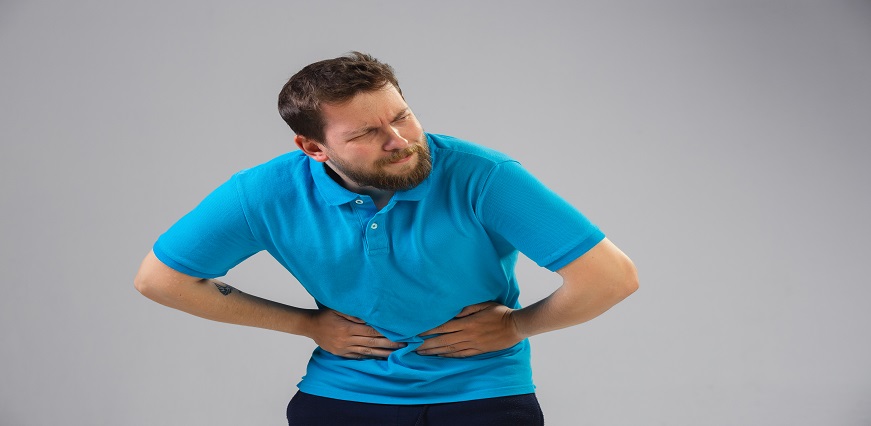
Loose motion is a common stomach problem that can affect both children and adults. It causes frequent watery stools and may lead to weakness and dehydration if not managed properly. Many people search for questions like "How to stop loose motion naturally?", "What should I eat during loose motion?", and "Which home remedies work for diarrhea?" In most mild cases, simple home remedies and proper hydration can help the body recover.
What Is Loose Motion?
Loose motion, also called diarrhea, is a condition in which a person passes watery or loose stools more often than normal. It may last for a short time and usually gets better with rest, fluids, and simple food. However, severe or long-lasting diarrhea needs medical attention.
Common Symptoms of Loose Motion
Some common symptoms include:
- Frequent watery stools
- Stomach cramps
- Bloating
- Nausea
- Weakness
- Loss of appetite
- Mild fever in some cases
- Dehydration due to loss of fluids
If symptoms become severe, medical advice should be taken immediately.
Why Does Loose Motion Happen?
Loose motion can occur due to many reasons. Understanding the cause helps in managing the condition better and preventing future episodes.
Common Causes of Loose Motion
- Eating contaminated food or water
- Viral or bacterial infections
- Food allergies or food intolerance
- Excessive oily or spicy foods
- Stress and anxiety
- Side effects of certain medicines
- Digestive disorders
How to Stop Loose Motion Naturally?
Many people search on Google for natural ways to stop diarrhea quickly. Mild loose motion often improves with proper hydration and easy-to-digest foods.
Drink ORS Solution
ORS (Oral Rehydration Solution) helps replace the fluids and minerals lost during diarrhea. It is one of the most important remedies for preventing dehydration.
Benefits of ORS
- Maintains fluid balance
- Prevents weakness
- Helps the body recover faster
- Suitable for children and adults
Drink small amounts several times throughout the day.
Eat Bananas During Loose Motion
Bananas are among the most searched foods for diarrhea relief. They are soft, easy to digest, and rich in potassium, which helps restore lost electrolytes.
Benefits of Bananas
- Easy on the stomach
- Helps make stools firmer
- Replaces lost potassium
- Provides energy
One or two ripe bananas can be eaten during the day.
Eat Plain Rice
Plain rice is a simple and gentle food that is commonly recommended during diarrhea. It is easy to digest and may help reduce bowel movements.
Why Rice Is Helpful
- Light on the stomach
- Provides energy
- Helps in stool formation
- Easy to digest
Avoid adding too much oil or spices.
Curd for Loose Motion
Curd contains good bacteria that support digestion. It is one of the commonly used home remedies for mild diarrhea.
Benefits of Curd
- Supports healthy gut bacteria
- Helps digestion
- May improve recovery
- Easy to eat
Plain curd can be consumed with rice for better comfort.
Drink Coconut Water
Loose motion causes loss of fluids and minerals. Coconut water helps replenish some electrolytes naturally and keeps the body hydrated.
Advantages of Coconut Water
- Helps prevent dehydration
- Contains potassium
- Refreshes the body
- Easy to digest
Fresh coconut water can be consumed in moderate amounts.
Eat Toast and Simple Foods
Simple foods are easier for the stomach to handle during diarrhea. Heavy meals may worsen symptoms.
Foods That Are Usually Easy to Digest
- Toast
- Plain rice
- Boiled potatoes
- Bananas
- Applesauce
- Khichdi
- Plain curd
These foods may help the digestive system recover gradually.
Foods to Avoid During Loose Motion
When you have loose motion, your stomach becomes sensitive and needs time to recover. Eating the wrong foods can make diarrhea worse and increase stomach pain, bloating, and dehydration. That is why choosing the right foods is very important.
1. Spicy Foods
Spicy foods may irritate the stomach and intestines, leading to more frequent bowel movements.
Avoid:
- Chili peppers
- Pickles
- Spicy curries
- Hot sauces
2. Oily and Fried Foods
Deep-fried and fatty foods are difficult to digest and can worsen loose motion.
Avoid:
- French fries
- Samosas
- Chips
- Burgers
- Fried chicken
3. Milk and Dairy Products
Some people temporarily develop difficulty digesting lactose during diarrhea, which may make symptoms worse.
Avoid:
- Milk
- Cheese
- Ice cream
- Cream-based desserts
Note: Plain curd (yogurt) is generally easier to digest and may support gut health.
4. Sugary Foods and Drinks
Too much sugar can pull more water into the intestines and increase diarrhea.
Avoid:
- Soft drinks
- Packaged juices
- Chocolates
- Cakes
- Candies
5. Caffeinated Drinks
Caffeine can stimulate the intestines and increase bowel movements.
Avoid:
- Coffee
- Energy drinks
- Strong tea
- Cola drinks
6. Alcohol
Alcohol causes dehydration and can irritate the digestive system, making recovery slower.
Avoid:
- Beer
- Wine
- Whiskey
- Other alcoholic beverages
7. Raw Vegetables and High-Fiber Foods
Although fiber is healthy, too much insoluble fiber during loose motion may increase bowel movements.
Avoid temporarily:
- Cabbage
- Broccoli
- Cauliflower
- Corn
- Beans
- Salads
8. Citrus Fruits
Some acidic fruits may irritate the stomach in sensitive individuals.
Limit or avoid:
- Oranges
- Lemons
- Grapefruit
- Pineapple
9. Processed and Junk Foods
Packaged and processed foods contain preservatives, unhealthy fats, and excess salt that can upset digestion.
Avoid:
- Instant noodles
- Pizza
- Packaged snacks
- Frozen foods
What Should You Eat Instead?
During loose motion, choose light and easy-to-digest foods such as:
- Bananas
- Plain rice
- Khichdi
- Toast
- Boiled potatoes
- Applesauce
- Plain curd
- Coconut water
- ORS solution
- Plenty of water
Can Children Use Home Remedies for Loose Motion?
Yes, children with mild loose motion can benefit from some simple home remedies. However, children lose water and minerals quickly, so preventing dehydration is the most important thing. Parents should monitor symptoms closely and seek medical attention if the child becomes weak or symptoms become severe.
Give Plenty of Fluids
Children with diarrhea should drink enough fluids to replace the water lost from the body.
Good options include:
- ORS solution
- Breast milk for infants
- Plain water
- Coconut water (for older children)
- Rice water
Give small amounts frequently rather than large amounts at once.
Continue Breastfeeding
If the baby is breastfed, continue breastfeeding normally. Breast milk provides fluids and nutrients that help recovery.
Offer Easy-to-Digest Foods
Once the child is willing to eat, offer simple and light foods.
Suitable foods include:
- Banana
- Plain rice
- Khichdi
- Curd
- Boiled potatoes
- Toast
- Applesauce
Avoid spicy, oily, and junk foods until the child feels better.
Home Remedies That May Help
Some gentle remedies can support recovery in older children:
- Banana with curd
- Rice water
- Plain curd with rice
- Coconut water
- ORS solution
These remedies help maintain hydration and provide energy.
When Should Parents Avoid Home Remedies and See a Doctor?
Home remedies are helpful only for mild cases. Medical advice is important if the child has:
- Loose motion lasting more than 2–3 days
- High fever
- Blood in stools
- Severe stomach pain
- Vomiting that prevents drinking fluids
- Dry mouth or no tears while crying
- Less urination than usual
- Extreme sleepiness or weakness
Can Infants Below 6 Months Use Home Remedies?
Infants below six months should not be treated with home remedies alone. Continue breastfeeding and consult a doctor promptly if diarrhea occurs, as dehydration can develop quickly in babies.
Can Children Take Medicines Without Doctor's Advice?
No. Anti-diarrheal medicines should not be given to children without medical advice. Some medicines may not be suitable for young children and could cause side effects.
Key Takeaway
Most children with mild loose motion recover with enough fluids, ORS, breastfeeding, and simple foods. However, because dehydration can happen quickly in children, parents should watch for warning signs and seek medical help if symptoms worsen or do not improve.
When Should You See a Doctor for Loose Motion?
Most cases of loose motion get better within a few days with rest, enough fluids, and simple foods. However, sometimes diarrhea can lead to dehydration or may be caused by an infection that needs medical treatment. Knowing the warning signs can help you get timely care.
Loose Motion Lasts More Than 2–3 Days
If your diarrhea does not improve after two to three days or keeps getting worse, it is important to consult a doctor. Persistent loose motion may be caused by an infection, food intolerance, or an underlying digestive problem that needs proper evaluation.
Blood or Black Stools
Blood in stools or black-colored stools should never be ignored. This may indicate bleeding in the digestive tract or a serious infection and requires immediate medical attention.
High Fever Along with Diarrhea
A fever above 102°F (39°C) along with loose motion may suggest a bacterial or viral infection. If the fever does not come down or is accompanied by severe weakness, seek medical advice promptly.
Severe Dehydration
Loose motion causes the body to lose water and important minerals. Severe dehydration can become dangerous if not treated quickly.
Signs of dehydration include:
- Extreme thirst
- Dry mouth and lips
- Dark yellow urine
- Passing very little urine
- Dizziness
- Weakness
- Sunken eyes
These symptoms need immediate medical attention.
Severe Stomach Pain
Mild cramps are common during diarrhea, but severe or constant stomach pain may indicate a more serious condition that needs medical evaluation.
Repeated Vomiting
If you are unable to keep water or food down because of repeated vomiting, your body may become dehydrated quickly. Medical treatment may be required to replace fluids and electrolytes.
Loose Motion in Babies and Young Children
Children and infants can become dehydrated faster than adults. Parents should consult a doctor immediately if the child:
- Is less than 6 months old
- Has diarrhea for more than 24 hours
- Has fever
- Has blood in stools
- Refuses to drink fluids
- Appears unusually sleepy or weak
- Has fewer wet diapers than normal
Loose Motion in Older Adults
Older adults are at higher risk of dehydration and complications. They should seek medical care if diarrhea is severe or lasts for more than two days.
Frequent Loose Motion During Pregnancy
Pregnant women should consult a doctor if diarrhea is severe, prolonged, or accompanied by fever, vomiting, or signs of dehydration.
When to Seek Emergency Medical Care
Get immediate medical help if you experience:
- Blood in stools
- Severe dehydration
- High fever
- Confusion or fainting
- Severe abdominal pain
- Persistent vomiting
- Diarrhea lasting more than three days
Key Takeaway
Home remedies can help in mild cases of loose motion, but some symptoms should never be ignored. If diarrhea is severe, lasts for several days, or causes dehydration, seeing a doctor early can help prevent complications and ensure proper treatment.
How to Prevent Loose Motion
Loose motion is often caused by infections, contaminated food, or poor hygiene. Simple daily habits can help protect your stomach and reduce the risk of diarrhea. Following good food and hygiene practices can keep your digestive system healthy and prevent many stomach infections.
Wash Your Hands Regularly
Dirty hands can carry germs that cause diarrhea. Washing your hands with soap and clean water is one of the easiest ways to prevent infections.
Wash your hands:
- Before eating food
- Before cooking
- After using the toilet
- After changing a baby's diaper
- After touching pets or garbage
Good hand hygiene helps stop the spread of bacteria and viruses.
Drink Safe and Clean Water
Contaminated water is a common cause of loose motion. Drinking clean water helps protect the digestive system from harmful germs.
Tips for safe drinking water:
- Drink filtered or boiled water.
- Carry clean water while traveling.
- Avoid drinking water from unknown sources.
- Store water in clean containers.
Eat Freshly Cooked Food
Fresh food is safer than food that has been left outside for many hours. Bacteria grow quickly in stale food and may cause diarrhea.
Follow these habits:
- Eat freshly prepared meals.
- Refrigerate leftovers properly.
- Reheat stored food before eating.
- Avoid spoiled or expired foods.
Avoid Street Food and Unhygienic Food
Food prepared in unhygienic conditions can contain bacteria and viruses that may lead to loose motion.
Be careful with:
- Cut fruits sold in the open
- Uncovered foods
- Raw seafood
- Food from places with poor hygiene
Wash Fruits and Vegetables Properly
Fresh fruits and vegetables are healthy, but they should be cleaned properly before eating.
Do this:
- Wash fruits and vegetables under running water.
- Peel fruits when possible.
- Avoid eating unwashed produce.
Maintain Good Kitchen Hygiene
A clean kitchen helps prevent food contamination.
Simple kitchen habits include:
- Washing utensils properly
- Keeping raw and cooked foods separate
- Cleaning cutting boards regularly
- Storing food at the right temperature
Avoid Excessively Oily and Spicy Foods
Very oily or spicy foods may irritate the digestive system and increase the risk of stomach upset in some people.
Try to maintain a balanced diet with:
- Fruits
- Vegetables
- Whole grains
- Lean proteins
- Plenty of fluids
Be Careful While Traveling
Traveler's diarrhea is common when people consume contaminated food or water.
Travel tips:
- Drink bottled or filtered water.
- Avoid ice cubes from unknown sources.
- Eat hot and freshly cooked food.
- Carry ORS packets during travel.
Strengthen Your Immunity
A healthy immune system helps the body fight infections more effectively.
Healthy habits include:
- Getting enough sleep
- Exercising regularly
- Managing stress
- Eating a nutritious diet
- Staying hydrated
Teach Children Healthy Hygiene Habits
Children are more likely to get stomach infections because they often touch dirty surfaces.
Teach them to:
- Wash hands before meals.
- Wash hands after using the toilet.
- Avoid putting dirty objects in their mouth.
- Drink clean water.
Frequently Asked Questions
How can I avoid loose motion naturally?
You can reduce the risk by washing your hands regularly, drinking clean water, eating fresh food, and maintaining good hygiene.
Can contaminated water cause diarrhea?
Yes. Drinking unsafe or contaminated water is one of the most common causes of loose motion.
Can stress cause loose motion?
Yes. Stress and anxiety may affect digestion and trigger loose motion in some people.
Is hand washing important to prevent diarrhea?
Yes. Proper hand washing is one of the most effective ways to prevent infections that cause loose motion.
Key Takeaway
Most cases of loose motion can be prevented with simple habits like drinking safe water, eating hygienic food, washing hands regularly, and maintaining good personal hygiene. Small daily precautions can go a long way in keeping your digestive system healthy and reducing the risk of diarrhea.













 To reach our help desk call 7982100200
.png)
Comments