








Dengue fever isn't just something you read about; it's a genuine, unsettling reality for many families. Knowing the ever-changing, dengue fever symptoms day by day isn't just for doctors or science buffs.
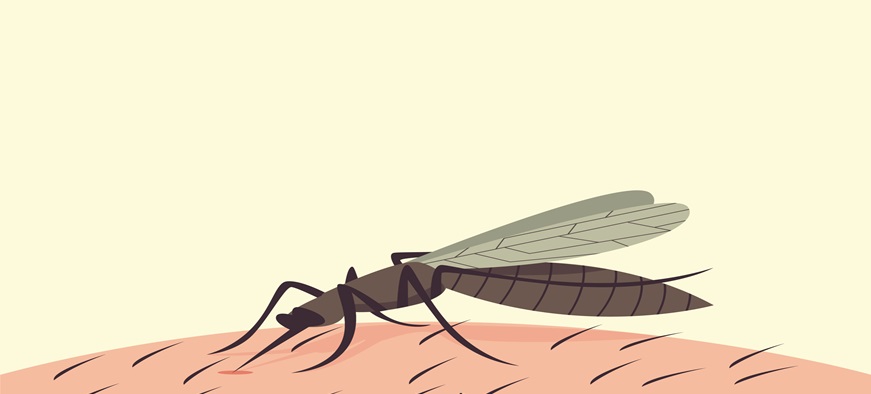
Honestly, it’s a powerful, tangible tool. It genuinely helps you, or someone you deeply care about, catch trouble way, way early. And spotting those first few clues means you can get medical help faster, which, when it comes to dengue, can be absolutely crucial in heading off serious problems. This whole thing, it’s mostly spread by those pesky mosquitoes, and it throws a surprising range of symptoms at you.
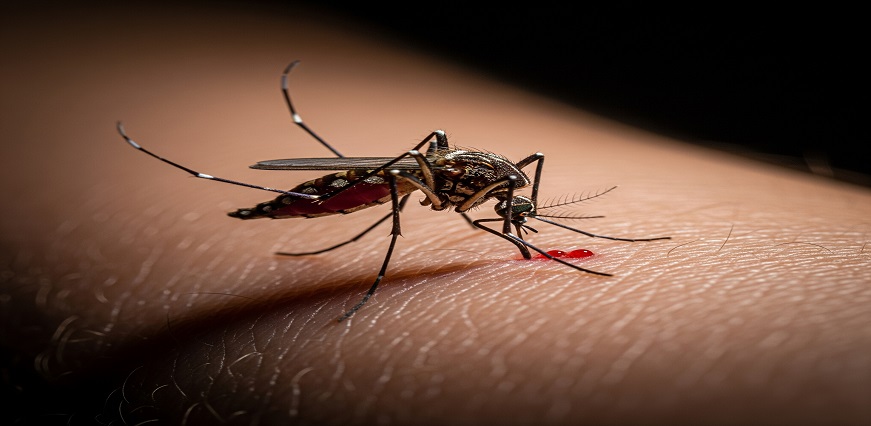
Each single day brings its own new developments, which is exactly why being clued into these shifts is just so incredibly vital. A common question that always seems to pop up is, "after how many days of mosquito bite dengue symptoms appear?" Well, there’s typically a bit of a quiet spell first, what doctors call the incubation phase. That usually lasts anywhere from four to ten days.
During this time, the virus is just doing its thing, silently multiplying inside you, without you feeling a single pang. But then, the illness usually announces itself pretty abruptly with a fever.
Dengue Fever Timeline: Understanding the 4 Stages of Dengue Fever
The progression of dengue infection can generally be divided into four stages. These stages explain how symptoms develop, when complications may occur, and when recovery begins.
The 4 stages of dengue fever include:
1. Incubation Phase
Before any symptoms hit, there's the incubation period. After an infected mosquito bite, dengue symptoms appear generally within 4 to 10 days.
2. Febrile Phase
The stage where symptoms such as high fever, headache, and body pain become noticeable.
3. Critical Phase
The most important monitoring stage, usually occurring when fever starts decreasing.
4. Recovery Phase
The stage where symptoms gradually improve and the body regains strength. Understanding this dengue timeline can help patients and caregivers identify important changes during the infection.
Dengue Fever Symptoms Day by Day
Here's how dengue symptoms often unfold, day by painful day:
Day 1: Sudden Fever and Body Pain
The dengue 1st day symptoms usually begin suddenly. Unlike a mild fever that develops gradually, dengue fever often causes a rapid rise in body temperature.
The most common dengue 1st day symptoms include: high fever, severe headache, pain behind the eyes, muscle and joint pain, weakness and tiredness, skin flushing or mild rash.
Some people may also experience skin flushing or a mild rash. Due to intense muscle and joint pain, dengue fever is often associated with the term “breakbone fever.”
Day 2: The Fever Persists, Discomfort Increases
On dengue day 2 symptoms, that high fever usually hangs around. Body aches and joint pains often intensify. Nausea and vomiting become quite common, making eating or even drinking a struggle, which really brings on dehydration worries.
Appetite disappears, adding to overwhelming fatigue. Your skin rash might get more noticeable; eye pain often worsens with movement.
Day 3: Fever Continues With Rash and Weakness
By day 3 of dengue fever, the fever typically stays stubbornly high, though it might fluctuate a bit. If you haven't seen it yet, the characteristic dengue rash might finally appear now, spreading. Headaches and muscle pains are still very significant. Abdominal discomfort, maybe with mild diarrhea, can also happen. Many feel absolutely drained.
Day 4: Beginning of the “Critical Phase”
The dengue 4th day symptoms often mark a truly pivotal moment. Here’s the curveball: your fever might actually start to drop. This can feel like you're getting better, but it’s precisely when the most dangerous "critical phase" begins (usually 3-7 days).
Even with fever dropping, the risk of severe dengue can actually increase. Deep fatigue persists. You must stay alert for warning signs, even if your temperature normalizes.
Day 5: Urgent Alarm Bells for Complications
During dengue 5th day symptoms, your fever is likely gone, but you're still in that danger zone. This is when severe complications like plasma leakage or bleeding can occur.
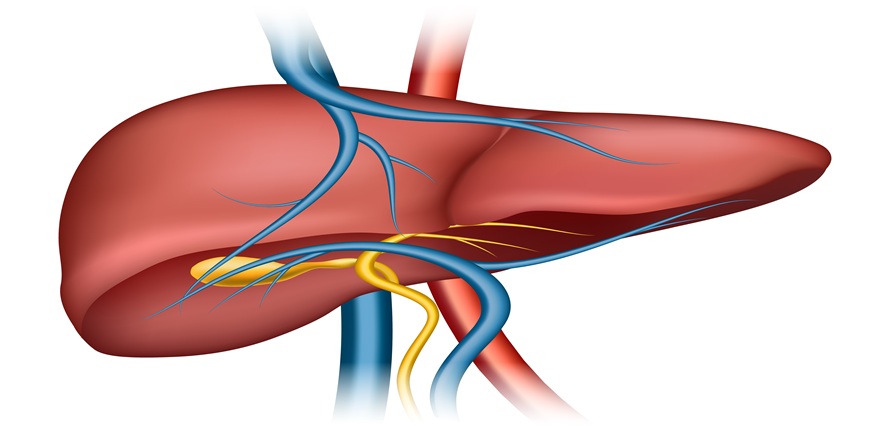
It’s absolutely paramount to watch for warning signs: severe stomach pain, frequent vomiting (e.g., 3+ times in an hour), fast breathing, bleeding from nose/gums, blood in vomit/stool, extreme weakness, restlessness, or tenderness near your liver. These demand immediate medical attention.
Day 6: Turning a Corner, or Still Battling?
By dengue 6th day symptoms, most with uncomplicated dengue are generally seeing improvement. Fever should be gone, aches easing. The rash might fade. But, profound fatigue can definitely linger for weeks.
For severe cases, this day remains critical; those serious warning signs would likely still be there, needing continued hospital care. Hydration and rest are non-negotiable.
Day 7: Recovery Phase Begins
The 7th day of dengue fever usually brings significant improvement. Fever should be totally gone, and the worst symptoms (aches, headaches) should have noticeably subsided. While energy will slowly return, fatigue can still be a heavy presence.
Appetite generally normalizes. You’ll feel like you're on the path to full recovery, but keep resting and drinking fluids.
Also Read: Dengue Fever Symptoms in Your Child - Here's What You Should Do
How Is Dengue Diagnosed?
Given that dengue symptoms (like high fever, body aches, headaches) can easily be mistaken for other common illnesses, such as the flu, malaria, chikungunya, or even typhoid, a proper diagnosis is absolutely essential. You can't just tell by symptoms alone, laboratory testing is important for confirmation.
Common dengue fever test names include:
1. NS1 Antigen Test (Non-Structural Protein 1):
The NS1 antigen test is super useful in the early stages of the illness, typically within the first 0-7 days after symptoms begin. It detects a specific protein from the dengue virus itself that circulates in your blood. A positive NS1 test usually indicates an active, recent infection.
2. Antibody Tests (IgM and IgG):
- IgM Antibody Test: IgM antibodies are usually detectable in your blood about 4-5 days after symptoms start and indicate a recent or ongoing infection. They tend to stay positive for several weeks.
- IgG Antibody Test: IgG antibodies develop later, often appearing after IgM antibodies, and can persist for months or even years. A positive IgG test usually indicates a past dengue infection. If both IgM and IgG are high, it might suggest a secondary infection (meaning you've had dengue before).
3. PCR Test (Polymerase Chain Reaction):
The PCR test is a molecular test that looks for the actual genetic material (RNA) of the dengue virus in your blood. It's highly accurate and can detect the virus in the very early stages of infection (typically within the first 5-7 days), often even before antibodies appear.
4. Complete Blood Count (CBC)
CBC test is commonly used to monitor platelet levels and other blood parameters during dengue infection.
It's important to remember that sometimes, a single test isn't enough, and doctors might order a combination of these blood tests or repeat them over a few days to get a clear picture of your infection status and progression. The key takeaway is: if you suspect dengue, don't wait. See a doctor who can conduct these tests and guide you.
How Long Does Dengue Take to Recover?
The dengue recovery timeline varies depending on the severity of infection and individual health conditions.
Generally:
- The fever phase lasts around 2 to 7 days.
- The critical phase occurs around days 3 to 7.
- Recovery begins after the critical phase.
- Complete recovery may take 1 to 2 weeks.
- Weakness may continue for several weeks.
Even after fever disappears, patients should continue taking adequate fluids, eating nutritious foods, and avoiding excessive physical activity.
Dengue Fever Prevention: How to Reduce Infection Risk?
The best approach for dengue fever prevention is reducing mosquito exposure and preventing mosquito breeding.
Preventive measures include:
- Removing stagnant water from containers, coolers, and plants.
- Using mosquito repellents.
- Wearing full-sleeved clothing.
- Keeping surroundings clean.
- Installing mosquito screens on doors and windows.
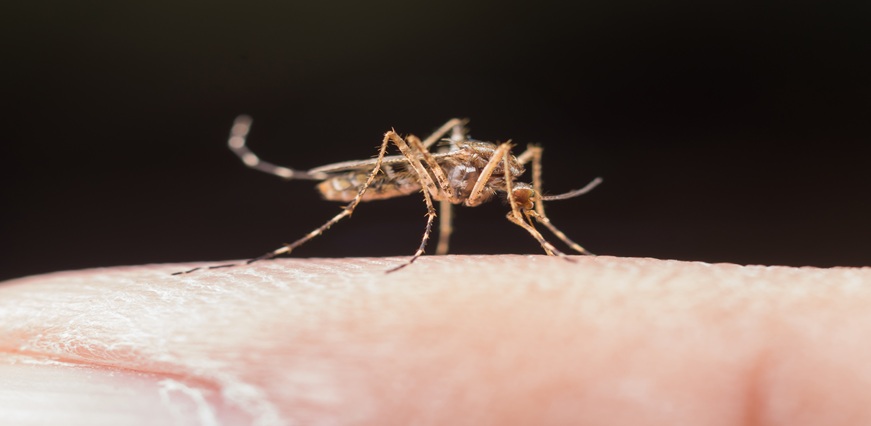
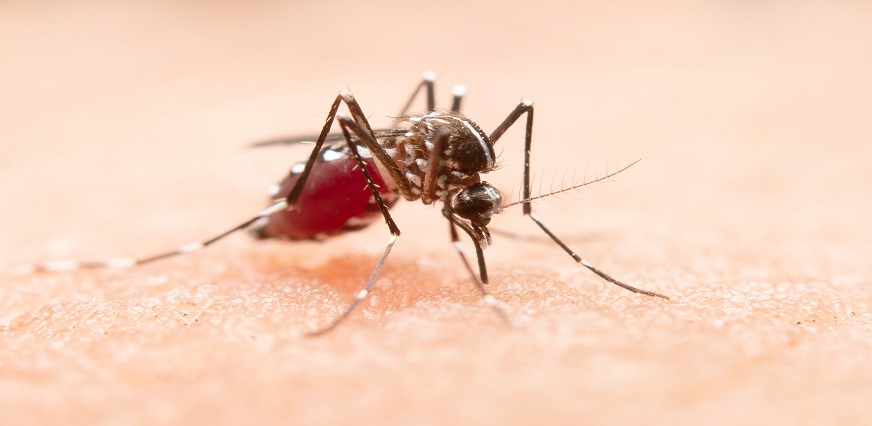
Since dengue spreads through mosquito bites, controlling mosquito populations plays an important role in reducing infections.
Conclusion
Knowing these specific dengue fever symptoms day by day is incredibly powerful for managing the illness effectively and getting quick help. Being informed about each stage, from those first dengue 1st day symptoms through to dengue 5th day symptoms and beyond, genuinely empowers you to act fast for the best health outcome.
Also Read: Types of Dengue: DENV 1, 2, 3, 4 and Their Symptoms















 To reach our help desk call 7982100200
.png)
Comments