










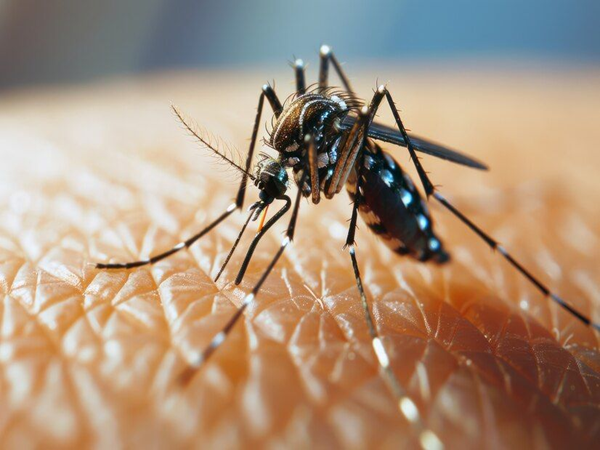
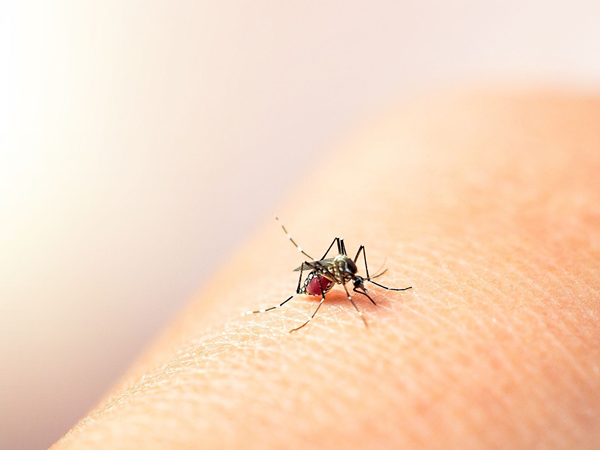
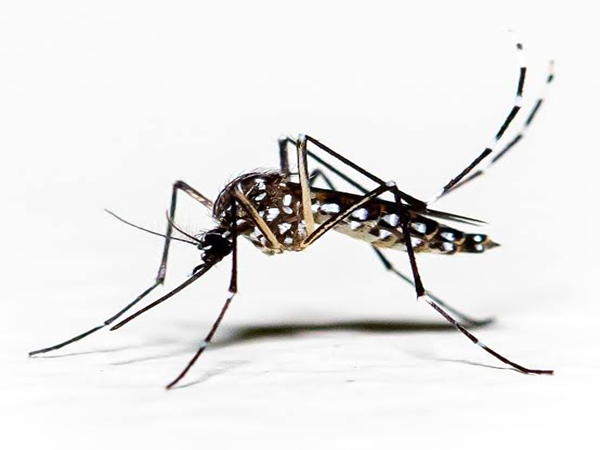
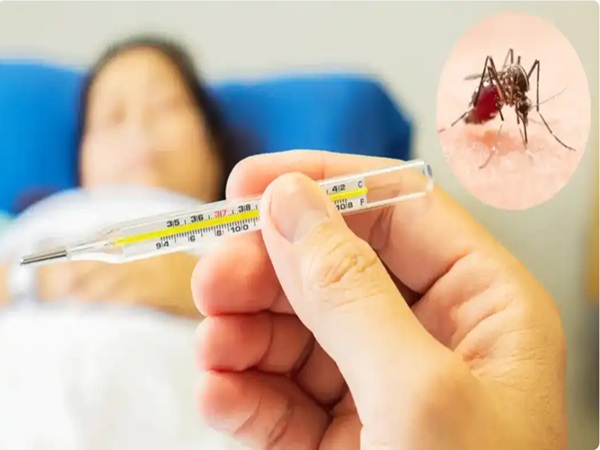
Dengue fever is a mosquito-borne viral infection that can cause high fever, headache, body aches, nausea, vomiting, rash and significant tiredness. Most people recover within one to two weeks, but some cases can progress to severe dengue and require urgent medical care.
During recovery, nutrition and hydration can play an important supportive role. A suitable dengue fever diet can help a patient maintain energy, replace fluids lost through fever or vomiting, and provide essential nutrients while the body recovers. However, food cannot cure dengue or guarantee a rise in platelet levels. There is currently no specific medicine that eliminates the dengue virus, so medical monitoring, rest, adequate fluids and appropriate symptom management remain essential.
What Is a Dengue Fever Diet?
A dengue fever diet is not a strict or medically fixed meal plan. It generally means choosing nutritious, easy-to-digest foods and adequate fluids according to the patient's symptoms, appetite, age and medical condition.
The main goals are to:
- Maintain adequate hydration
- Provide sufficient calories and energy
- Supply protein for normal tissue maintenance
- Include vitamins and minerals through a varied diet
- Make eating easier when appetite is reduced
- Replace fluids and electrolytes when necessary
- Avoid foods and drinks that may worsen nausea, dehydration or digestive discomfort
WHO recommends that people with dengue rest and drink plenty of liquids. Oral rehydration solutions and other appropriate fluids can be useful, particularly when fluid losses occur.
Why Is Nutrition Important During Dengue?
Dengue can reduce appetite while fever, nausea and vomiting can make it difficult to eat and drink normally. At the same time, the body needs energy to support recovery.A balanced diet can help provide carbohydrates for energy, protein for normal body functions and a range of micronutrients needed for overall health.
The emphasis should be on adequacy, balance, moderation and dietary variety, rather than relying on one particular food or drink. These are also core principles of a healthy diet recommended by WHO.If a patient has diabetes, kidney disease, liver disease or another medical condition, dietary recommendations may need to be modified by a healthcare professional.
Best Foods to Include in a Dengue Fever Diet
1. Oral Rehydration Solution
Hydration is one of the most important aspects of dengue supportive care. Oral rehydration solution (ORS) can provide fluids and electrolytes.It may be particularly useful when a patient has reduced food intake, vomiting or other fluid losses. WHO guidance includes ORS among the fluids that can be used during dengue home care.
ORS should be prepared according to the instructions on the product rather than making an excessively concentrated or diluted solution.
2. Coconut Water
Coconut water can contribute to fluid intake and provides some electrolytes. It may be included as part of a varied hydration plan if it is suitable for the patient.However, coconut water should not be considered a treatment for dengue, nor should it replace medical care or prescribed fluids when those are needed.People with certain kidney or electrolyte-related conditions should ask their healthcare professional whether coconut water is appropriate.
3. Fresh Fruits
Fresh fruits can provide fluids, carbohydrates, vitamins and minerals. Suitable options may include:
- Oranges
- Sweet lime
- Apples
- Bananas
- Papaya
- Watermelon
- Pears
- Melons
Choose fruits that the patient can comfortably digest and tolerate.If nausea is present, smaller portions may be easier than eating a large serving at once.
4. Vegetable Soups
Light vegetable soups can be useful when appetite is low. They can provide fluids along with nutrients from vegetables.Soups made with easily digestible vegetables can be consumed warm and may be more appealing than solid food when the patient feels weak.Avoid making soups excessively salty or heavily spiced.
5. Rice and Soft Cereals
Soft, easily digestible carbohydrate-rich foods can provide energy during recovery.
Options may include:
- Soft rice
- Rice porridge
- Khichdi
- Oatmeal
- Dalia
- Soft-cooked cereals
These foods can be especially useful when the patient has reduced appetite or mild digestive discomfort.
6. Khichdi
Khichdi prepared with rice and dal is a practical meal for many people recovering from fever. It provides carbohydrates and plant-based protein while remaining relatively easy to digest when prepared with limited oil and mild seasoning.It can be adjusted according to the patient's appetite and digestive tolerance.
7. Dal and Other Pulses
Protein is an important part of a balanced diet. Dal, lentils and other pulses can provide protein along with carbohydrates and other nutrients.If digestion is sensitive, well-cooked and softer preparations may be easier to tolerate than heavier pulse-based dishes.
8. Eggs
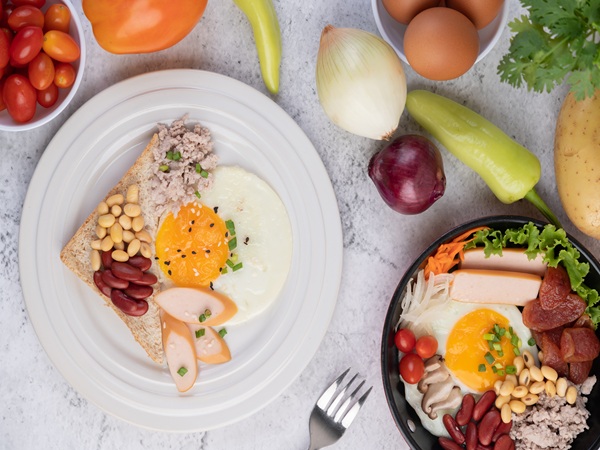
For people who eat eggs and tolerate them well, eggs can provide high-quality protein and several nutrients.Boiled or lightly prepared eggs may be preferable to heavily fried preparations.
9. Lean Protein Sources
Patients who are able to tolerate solid food can include suitable protein sources such as:
- Eggs
- Chicken
- Fish
- Low-fat dairy products
- Dal
- Lentils
- Tofu
Protein needs can vary depending on age, body size, health status and medical conditions, so a healthcare professional or dietitian can provide personalised advice when necessary.
10. Yogurt or Curd
Plain yogurt or curd can provide protein and calcium and may be suitable for patients who tolerate dairy products.Choose fresh, hygienically prepared products and avoid heavily sweetened varieties.If dairy products worsen nausea, bloating or diarrhoea, they can be temporarily avoided.
Fluids to Include During Dengue Recovery
Hydration deserves particular attention because fever, vomiting and reduced intake can contribute to dehydration.
Depending on the patient's condition and medical advice, fluids may include:
- Water
- ORS
- Coconut water
- Clear soups
- Fresh fruit beverages
- Milk, if tolerated
- Rice water
- Barley water
WHO guidance for dengue home care includes fluids such as milk, fruit juice, isotonic electrolyte solutions, ORS and barley or rice water.
Rather than drinking a very large quantity at once, someone experiencing nausea may find frequent small amounts easier to tolerate.
Foods to Avoid During Dengue
A healthy dengue fever diet should also consider foods that may be difficult to tolerate during illness.
1. Highly Fried Foods
Deep-fried foods can be heavy and may worsen nausea or digestive discomfort in some patients.
Examples include:
- Pakoras
- French fries
- Fried snacks
- Pooris
- Fried chicken
- Chips
Prefer steamed, boiled, baked or lightly cooked alternatives.
2. Very Spicy Foods
Very spicy dishes may irritate the digestive system, particularly when the patient already has nausea, vomiting or abdominal discomfort.
Mildly seasoned foods are generally easier to tolerate during recovery.
3. Highly Processed Foods
Processed snacks such as packaged chips, instant noodles, highly processed meats and similar foods may provide fewer useful nutrients than a varied diet based on minimally processed foods.
WHO recommends that healthy diets emphasise a variety of minimally processed and unprocessed foods and limit foods high in unhealthy fats, free sugars and sodium.
4. Excessively Sugary Drinks
Large quantities of sugary soft drinks and other sweetened beverages are not an ideal substitute for water or ORS.They can add substantial amounts of free sugar without providing the balanced nutrition needed during recovery.
5. Alcohol
Alcohol should be avoided during dengue illness unless a doctor specifically advises otherwise. It can interfere with hydration and may be inappropriate when a person is taking medicines or experiencing illness-related complications.
6. Foods That Trigger Nausea
There is no universal list of foods that every dengue patient must avoid. If a particular food consistently triggers nausea, vomiting, bloating or abdominal discomfort, it is sensible to stop it temporarily and choose a better-tolerated alternative.
Does Papaya Leaf Juice Increase Platelets in Dengue?
Papaya leaf juice is frequently discussed as a traditional remedy for dengue and low platelet counts. However, it should not be presented as a proven treatment for dengue.
There is insufficient evidence to recommend papaya leaf preparations as a replacement for medical treatment or monitoring. Platelet counts can change naturally during dengue, and a food or herbal preparation should not be used to determine whether a patient is recovering.Patients with dengue should follow their doctor's recommendations regarding blood tests, hydration, medication and follow-up.
Can Food Increase Platelet Count in Dengue?
People often search for foods that can quickly increase platelets during dengue. While maintaining adequate nutrition is important, there is no single food that can reliably cure dengue or guarantee a rapid platelet increase.
Platelet levels are only one part of clinical assessment. A patient's overall condition, hydration status, blood counts and warning signs are also important.WHO guidance emphasises clinical monitoring and recognising danger signs rather than relying on a particular food to manage dengue.
Therefore, focus on a balanced dengue fever diet rather than a “platelet-boosting food” alone.
What to Eat When There Is No Appetite?
Loss of appetite is common during illness. Trying to consume three large meals may be difficult.
Instead, consider smaller meals or snacks throughout the day, such as:
- Banana with yogurt
- Soft khichdi
- Oatmeal
- Soup
- Rice porridge
- Toast
- Steamed vegetables
- A boiled egg
- Fresh fruit
Small, frequent portions can make it easier to maintain nutritional intake without putting too much pressure on the digestive system.
What to Eat if There Is Vomiting?
If vomiting occurs, hydration becomes particularly important.Take small, frequent sips of an appropriate fluid rather than consuming a large amount at once. ORS may be useful for replacing fluids and electrolytes.Once vomiting settles, gradually introduce easily digestible foods such as rice, porridge, banana, toast, khichdi or soup.
Persistent vomiting is a warning sign in dengue and requires medical attention rather than dietary management alone.
Dengue Fever Diet for Children
Children with dengue require special attention because their fluid and nutritional requirements differ from those of adults.Offer age-appropriate fluids and foods in small quantities. Breastfed infants should generally continue breastfeeding unless a healthcare professional advises otherwise.
Do not force a child to eat large meals. Focus on hydration, appropriate nutrition and monitoring for warning signs.If a child is repeatedly vomiting, refuses fluids, becomes unusually sleepy or develops other concerning symptoms, seek medical attention promptly.
Dengue Fever Diet for Adults
Adults recovering from dengue can generally focus on a varied diet containing:
- Whole or minimally processed carbohydrates
- Fruits and vegetables
- Adequate protein
- Suitable dairy or alternatives
- Appropriate fluids and electrolytes
Meals can be kept simple during the acute phase and gradually returned to the person's normal balanced diet as appetite and energy improve.
People with diabetes, kidney disease, heart conditions or other chronic illnesses should receive individual dietary guidance because fluid and food requirements may differ.
Sample One-Day Dengue Fever Diet Plan
A sample meal pattern may look like this:
Early morning:
Water or another suitable fluid.
Breakfast:
Oatmeal or soft poha with a banana, depending on tolerance.
Mid-morning:
Fresh fruit or coconut water.
Lunch:
Soft rice or khichdi with dal and well-cooked vegetables.
Afternoon:
ORS or another appropriate fluid, if advised.
Evening:
Soup with toast or another light snack.
Dinner:
Soft rice, dal and vegetables, or another easily digestible balanced meal.
Before bed:
Milk or another suitable drink if tolerated.
This is only a general example. A patient's actual dengue fever diet should be adapted to appetite, symptoms, age, medical history and the advice of their healthcare professional.
How Often Should a Dengue Patient Eat?
There is no single required meal frequency for everyone with dengue.
If appetite is normal, regular balanced meals may be sufficient. If appetite is poor, smaller meals every few hours may be easier to manage.The priority is maintaining adequate fluid and nutritional intake without forcing food when the patient feels nauseated.
Importance of Rest Along With Diet
Nutrition alone is not enough for dengue recovery. Adequate rest is also important.WHO recommends rest and plenty of fluids for people with dengue.Patients should avoid strenuous physical activity while recovering and follow their healthcare professional's advice regarding returning to normal activities.
Fatigue can sometimes continue for several weeks after the acute illness has resolved.
Warning Signs That Need Immediate Medical Attention
Dietary care should never delay medical treatment.
Seek urgent medical attention if a person with dengue develops:
- Severe abdominal pain
- Persistent vomiting
- Bleeding from the nose or gums
- Blood in vomit or stool
- Rapid breathing
- Extreme weakness or restlessness
- Pale, cold or clammy skin
- Reduced urine output
- Significant drowsiness or confusion
These can indicate severe dengue or complications requiring immediate medical assessment.
An important point is that severe dengue can develop around the time the fever decreases. A fall in temperature does not automatically mean the patient is out of danger.
Medicines and Dengue: An Important Precaution
Food choices are only one part of dengue care. Medication safety is also important.WHO recommends avoiding aspirin and non-steroidal anti-inflammatory drugs such as ibuprofen because they can increase the risk of bleeding. Paracetamol is commonly recommended for fever and pain, but patients should use it according to medical advice and appropriate dosing instructions.
Do not start antibiotics on your own because dengue is a viral infection and antibiotics do not treat the dengue virus.
How to Make a Dengue Diet More Effective
A practical approach is to keep meals:
- Hydrating: Include appropriate fluids throughout the day.
- Balanced: Combine carbohydrates, protein, fruits and vegetables.
- Easy to digest: Choose soft, lightly cooked foods when appetite or digestion is affected.
- Nutrient-rich: Prefer whole and minimally processed foods.
- Hygienic: Prepare and store food safely, particularly when the patient's immune system is under stress.
- Flexible: Adjust portions and meal frequency according to appetite and symptoms.
WHO recommends dietary diversity and safe, nutritious food as foundations of healthy eating.
Conclusion
A suitable dengue fever diet can support recovery by helping maintain hydration, energy and adequate nutrition during illness. There is no single food that cures dengue or reliably increases platelet counts, so patients should not depend on popular food or herbal remedies in place of medical care.
Choose fluids such as water and ORS when appropriate, along with easily digestible foods such as rice, khichdi, dal, vegetables, fruits, soups, eggs and other suitable protein sources. Limit heavily fried, highly processed and excessively sugary foods, and avoid alcohol.Most importantly, follow medical advice and watch carefully for warning signs such as severe abdominal pain, persistent vomiting, bleeding, rapid breathing, extreme weakness or reduced urine output. Early recognition of severe dengue and timely medical care can significantly improve outcomes.












 To reach our help desk call 7982100200
.png)