






Showing 1 - 15 of 108
A Kidney Function Test (KFT) is a series of blood and urine tests that provide valuable insights into how well your kidneys are functioning. These tests assess various aspects such as creatinine levels, blood urea nitrogen, and estimated glomerular filtration rate (eGFR).
One common cause is high blood pressure, which puts a strain on the kidneys over time. Diabetes, particularly uncontrolled diabetes, can also lead to kidney damage due to elevated blood sugar levels impacting the small blood vessels in the organs.
These tests collectively help healthcare providers assess kidney efficiency, detect potential damage early, and guide treatment decisions for maintaining long-term renal health.
A normal kidney level typically refers to having healthy creatinine and blood urea nitrogen levels within a specific range. The normal values can vary depending on factors like age, gender, muscle mass, and medical conditions. Maintaining normal kidney levels is crucial for proper waste removal, fluid balance, and overall health, helping to prevent future kidney complications.
If you suspect a kidney infection, your healthcare provider may recommend a urine test to check for bacteria or white blood cells. This test can help determine if an infection is present in your urinary tract system.
Stage 3 kidney failure indicates a moderate decrease in kidney function, where symptoms may start to become more noticeable. At this stage, regular monitoring, dietary adjustments, and medical guidance are essential to slow progression and maintain the best possible kidney function.
Kidney disease affects millions of people globally. The kidneys are essential organs that remove waste products such as creatinine and urea from the blood. To avoid kidney damage, tests are important to understand the causes that lead to kidney problems. People can develop chronic problems in the Kidneys due to uncontrolled diabetes, high blood pressure and heart diseases. To ensure that the kidneys function properly, people need to address the underlying causes of kidney diseases.
The kidney test includes a variety of tests designed to assess diverse aspects of kidney function and distinguish potential kidney issues. These tests may incorporate blood tests to survey levels of creatinine, urea, and electrolytes, which can show how well the kidneys are filtering waste items from the blood. Urine tests may moreover be performed to measure protein levels, evaluate kidney function, and distinguish signs of contamination or inflammation. Furthermore, imaging thinks about such as ultrasound, CT scans, or MRI may be utilized to visualize the structure of the kidneys and recognize any abnormalities. Some advanced diagnostic methods may also involve nuclear medicine scans for a more detailed assessment of kidney performance.
A kidney test is a medical evaluation used to assess how well the kidneys are functioning in filtering waste, balancing fluids, and maintaining overall body health. Common tests include blood and urine analyses, such as creatinine levels, glomerular filtration rate (GFR), and blood urea nitrogen (BUN). These tests help detect kidney damage, monitor chronic kidney disease (CKD), and guide treatment plans. Early diagnosis through regular kidney testing is essential, especially for individuals with diabetes, high blood pressure, or a family history of kidney problems, as it enables timely intervention and reduces the risk of severe complications.
A kidney test may be endorsed for different reasons, counting routine health screenings, checking chronic kidney diseases, examining indications such as weakness, swelling, or changes in urination, and evaluating kidney function sometime recently and after restorative methods or medications. People with risk components for kidney disease, such as diabetes, hypertension, weight gain, or a family history of kidney issues, may moreover benefit from regular kidney testing to identify and oversee potential issues early.
In addition, kidney blood tests are often recommended when unexplained symptoms such as persistent fatigue, muscle cramps, or nausea occur, as these can indicate declining kidney function. Doctors may also order these tests to monitor the effects of certain medications that can strain the kidneys, ensuring timely adjustments to avoid damage. For hospitalised patients, especially those undergoing surgery or treatments like chemotherapy, kidney function monitoring is critical for assessing recovery and managing potential complications.
Preparations for a standard Kidney lab test are simple. Here’s the list of some of the factors to consider:
The procedure of a kidney blood test is very simple and usually takes less than 10 minutes. Here’s the list of things to expect during the procedure: -
Once the kidney diagnostic test is performed, what do the normal, high and low range depicts? There are many ways in which healthcare professionals interpret test results for creatinine, which is measured in blood or urine.
Normal
A normal creatinine level generally indicates healthy kidney function. For adults, the typical range in blood is about 0.6–1.2 mg/dL for men and 0.5–1.1 mg/dL for women. In urine, the range may vary depending on the collection period. Normal results mean the kidneys are effectively removing creatinine from the blood, maintaining the body’s balance of fluids and waste products.
High
High creatinine levels often suggest impaired kidney function or kidney disease. This can occur due to conditions such as chronic kidney disease, severe dehydration, certain medications, or muscle injuries. Elevated levels indicate the kidneys are struggling to filter waste efficiently, which may require further diagnostic tests like eGFR (estimated glomerular filtration rate) to determine severity.
Low
Low creatinine levels are less common and may indicate reduced muscle mass, malnutrition, liver disease, or pregnancy. In some cases, low levels are not a cause for concern, especially if associated with low muscle mass rather than kidney issues. However, persistently low levels should be evaluated alongside other tests to rule out underlying health problems.
A myriad of lifestyle, medicinal and genetic factors can lead to kidney issues. A major culprit is uncontrolled diabetes or high blood pressure, which can, over time, damage the small filtering units in the kidneys. It is also promoted by obesity, smoking, long-term consumption of certain drugs (for pain, such as analgesics), and dehydration. In addition, individuals with a family history of kidney problems and people over age 60 are at higher risk.
Regular monitoring is essential, especially for individuals falling into any of these risk categories. A kidney disease blood test helps detect early signs of malfunction, even before symptoms appear. Creatinine levels, estimated GFR, and blood urea nitrogen are part of a blood test to check the kidneys, giving insights into kidney performance. Early detection through such tests is vital to delay or prevent the progression of kidney disease.
Early Signs of Kidney Problems to Watch For
The signs and symptoms of chronic kidney disease develop over time, but here are a few signs to watch out for in the early stages. If any of these symptoms are present, it is important to get a kidney health test and seek early treatment. Here are the symptoms to watch out for: -
The signs and symptoms of kidney disease are often non-specific. This means other illnesses can also cause them.
Maintaining strong kidney health is vital, and it can be simpler than it seems. Here are three practical pointers to support kidney function: -
Staying hydrated is essential to keeping the kidneys free of toxins that, when crystallised, can form stones. A healthy and balanced diet that includes fruits, vegetables, lean protein, and whole grains is very helpful to the kidneys. With regard to renal function, it is important to limit sodium and processed foods, avoiding deep-fried foods .
Monitor and manage chronic conditions like diabetes, hypertension and obesity with daily medication, regular monitoring of physical activity. Exercise helps regulate blood sugar and support healthy circulation, indirectly helping the kidney filtration systems.
Steer clear of smoking, excess alcohol, and exposure to unnecessary toxins, which can narrow blood vessels and impair kidney flow. Also, prioritise stress management by practising meditation or including some hobbies in the routine. Additionally, simply use relaxation techniques to maintain overall well-being and renal resilience.
Periodic blood tests to check kidneys, such as serum creatinine, estimated GFR, and blood urea nitrogen, are essential. A test for kidney problems helps detect early signs of dysfunction before symptoms arise, making early intervention possible.
Read More
Uremia is a word that makes people raise an eyebrow and question. It's no...Read More

Urinary tract stones, commonly known as kidney stones, are hard mineral depos...Read More
High blood urea is a condition that affects millions of people worldwide. It ...Read More

If you have ever experienced a sudden and excruciating pain in your big toe o...Read More
The elimination of waste products, toxins, and excessive water from the body ...Read More
A urinary tract infection (UTI) is an infection in any part of the urinary sy...Read More

Uric acid is a chemical created when the body breaks down substances called p...Read More

Kidney stones can be a tedious and painful experience for the sufferer. It is...Read More
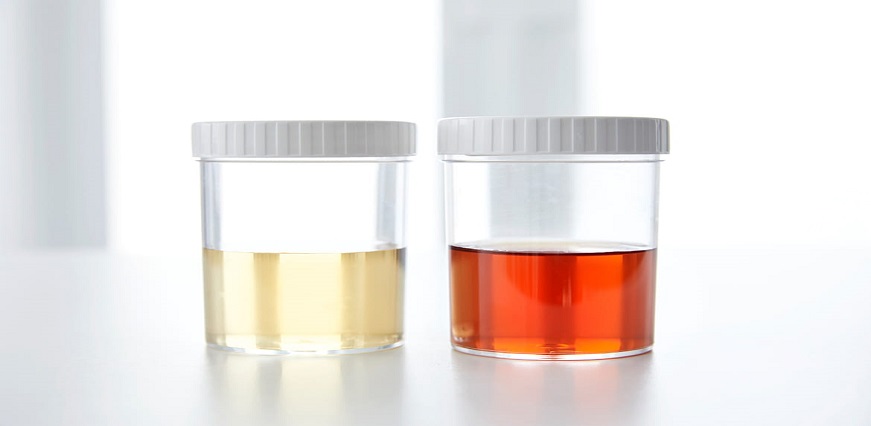
Bleeding in urine in most cases may not be an indicator of a serious conditio...Read More
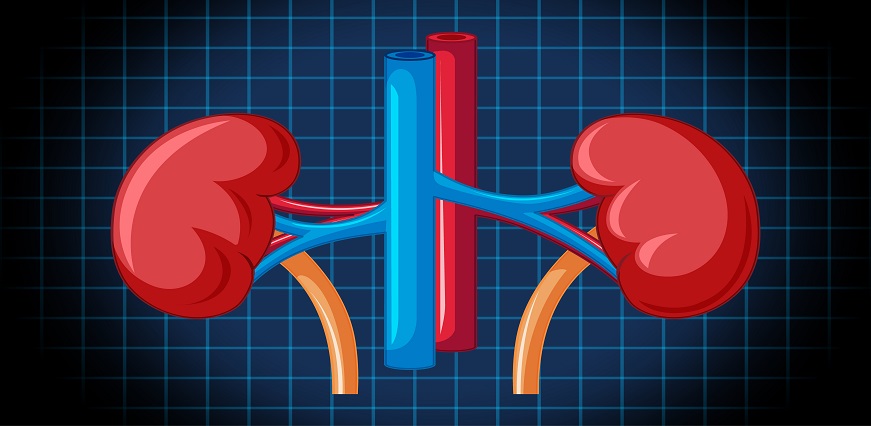
Two bean-shaped organs in the human body, the kidneys are as important for ma...Read More
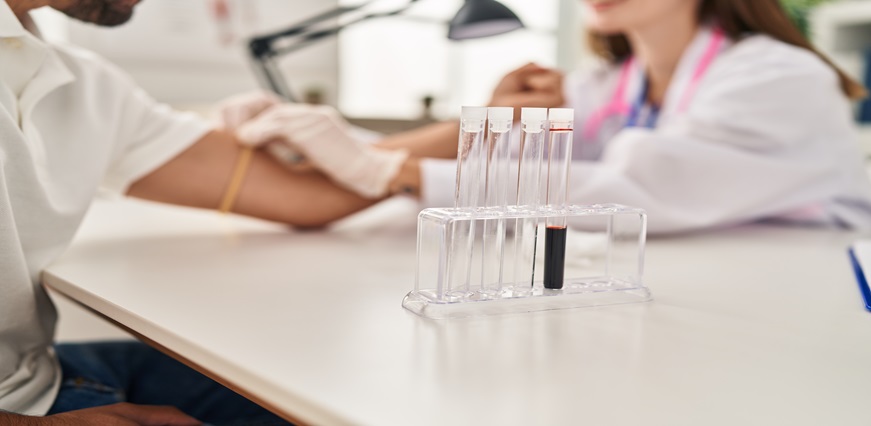
Creatinine is a chemical by-product produced by regular muscle metabolism as ...Read More
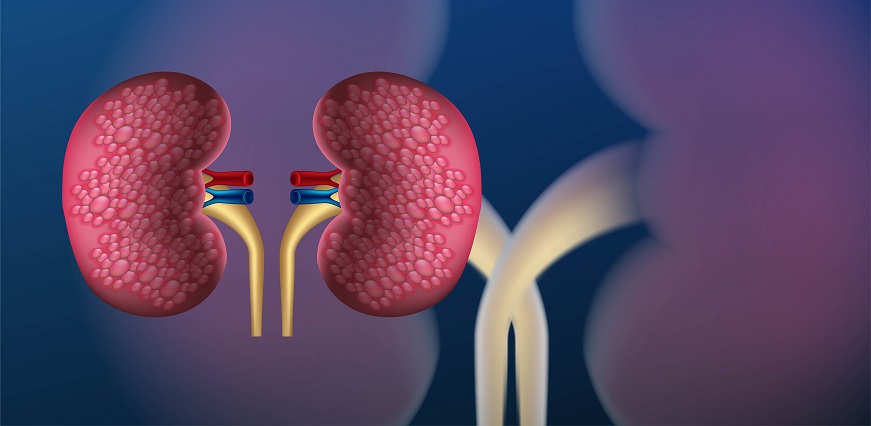
Kidneys perform many important functions in a person's body, such as clea...Read More
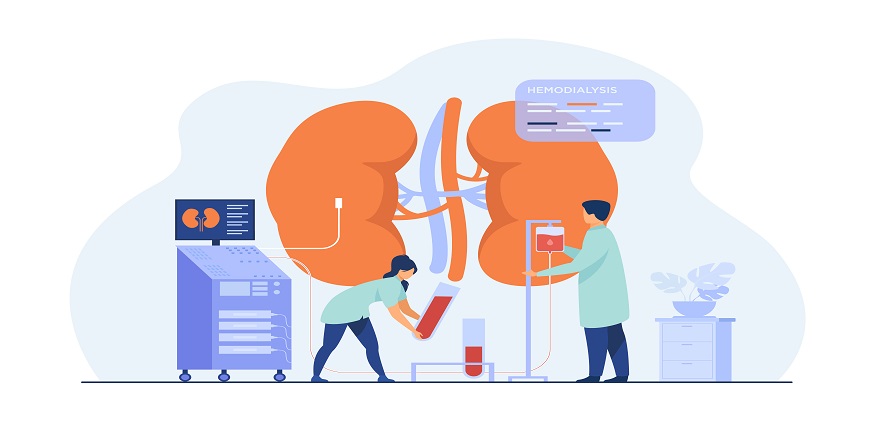
The kidneys are two bean-shaped organs in the human body, hardly bigger than ...Read More
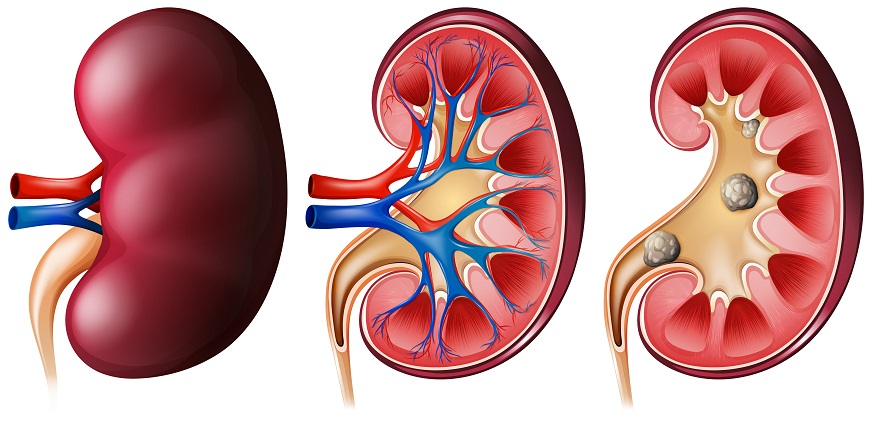
Kidneys are among the most important organs in the human body as they filter ...Read More
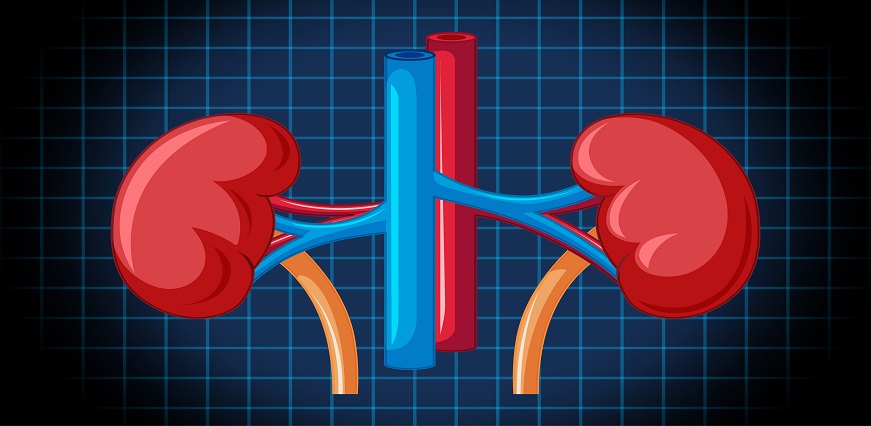
The kidneys play an important role in maintaining overall health. One of thei...Read More
.png)




 7982100200
 SORT
SORT











 To reach our help desk call 9213188888