








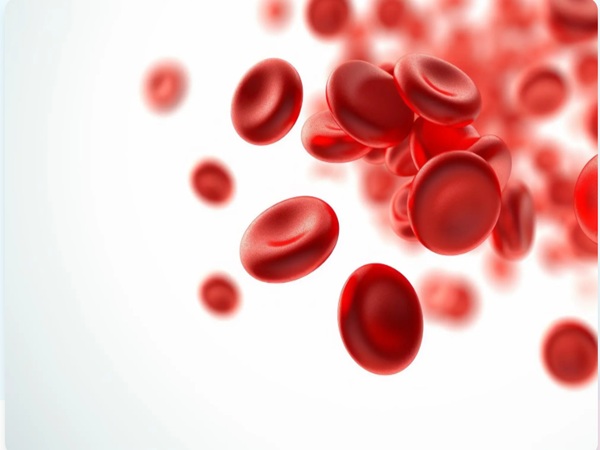
Red blood cells (RBCs) carry oxygen from your lungs to the rest of your body. A low RBC count may happen because of iron deficiency, vitamin deficiency, blood loss, some long-term illnesses, or other health problems. The best way to increase RBC count is to find and treat the reason for the low count.
What Are Red Blood Cells (RBCs)?
Red blood cells are tiny blood cells that contain a protein called haemoglobin.They carry oxygen from the lungs to different parts of the body. They also help carry carbon dioxide back to the lungs. Your body needs enough healthy RBCs to give your organs and muscles enough oxygen.
What Does a Low RBC Count Mean?
A low RBC count means your blood has fewer red blood cells than the expected range for your age, sex and other factors. It may be linked with anaemia, but RBC count is only one part of a blood test. Doctors also check haemoglobin, haematocrit and other blood values.
How to Increase RBC Count Quickly?
There is no single food or home remedy that can quickly increase RBC count for everyone. The right treatment depends on the cause. If iron deficiency is the reason, iron-rich foods or iron medicine may help. If vitamin B12 or folate is low, the treatment will be different.
The first step is to find out why your RBC count is low.
What Causes Low RBC Count?
A low RBC count can have many causes. Iron deficiency is a common reason, but it is not the only one. Vitamin B12 or folate deficiency, blood loss, long-term diseases, kidney problems and some inherited blood conditions can also affect RBC production.
Common causes include:
-
Blood loss
-
Poor nutrition
-
Long-term illnesses
-
Kidney problems
-
Some medicines
-
Problems with bone marrow
-
Inherited blood conditions
Because there are many possible causes, treatment should be based on your test results and medical history.
What Foods Increase Red Blood Cells?
Foods rich in iron, vitamin B12 and folate can support healthy red blood cell production. A balanced diet is important, but food alone may not correct a very low RBC count. If a deficiency is found, your doctor may recommend supplements or other treatment.
Iron-Rich Foods
Iron is needed to make haemoglobin and healthy red blood cells. You can get iron from both plant and animal foods. Include iron-rich foods regularly as part of a balanced diet, especially if your diet is low in iron.
Good sources include:
-
Spinach and other green leafy vegetables
-
Lentils and dals
-
Beans and chickpeas
-
Peas
-
Sesame seeds
-
Pumpkin seeds
-
Nuts
-
Meat and poultry
-
Fish and seafood
-
Eggs
How Does Vitamin C Help Increase RBC Count?
Vitamin C does not directly make red blood cells, but it can help your body absorb iron from plant foods. Eating a vitamin C-rich food with an iron-rich meal can be helpful. Good sources include oranges, guava, amla, tomatoes, lemons, capsicum and other fruits and vegetables.
For example, you can add lemon juice to dal or eat guava or orange with a meal. This can help your body use the iron in plant foods more effectively.
Can Vitamin B12 Increase RBC Count?
Vitamin B12 is important for making healthy red blood cells. A lack of B12 can cause a type of anaemia and may affect the normal formation of red blood cells. Vitamin B12 is found mainly in animal foods, while some foods are fortified with B12.
Sources include:
-
Milk and dairy products
-
Eggs
-
Fish
-
Chicken
-
Meat
-
Fortified foods
If a blood test shows vitamin B12 deficiency, your doctor may recommend a B12 supplement or other treatment.
Can Folic Acid Increase RBC Count?
Folate, also called vitamin B9, helps your body make new cells, including red blood cells. Low folate levels can cause a type of anaemia. Green leafy vegetables, beans, peas, citrus fruits and some fortified foods provide folate.
Do not take high-dose folic acid on your own if you have not been tested. Vitamin B12 deficiency should also be considered, because folic acid can improve some blood findings while the underlying B12 problem may remain.
Does Drinking More Water Increase RBC Count?
Drinking enough water is important for normal body function, but drinking extra water does not directly increase RBC production. Your RBC count depends mainly on how your body makes, uses and loses red blood cells.
Drink enough water to stay hydrated, but do not depend on water alone to treat a low RBC count. If your RBC count is low, the important step is to identify and treat the cause.
How Long Does It Take to Increase RBC Count?
The time needed to improve an RBC count depends on the reason for the low count and the treatment used. Some people may improve over weeks after correcting a nutrient deficiency, while others may need longer treatment.
Your doctor may repeat a CBC blood test after treatment to check whether your RBC count, haemoglobin and other blood values are improving.
What Are the Symptoms of Low RBC Count?
A low RBC count may be linked with anaemia, which can reduce the amount of oxygen reaching the body's tissues. Common symptoms include tiredness, weakness, pale skin, dizziness and shortness of breath. Some people may have no obvious symptoms, especially when the change is mild.
Possible symptoms include:
-
Tiredness
-
Weakness
-
Dizziness
-
Headache
-
Pale skin
-
Shortness of breath
-
Fast heartbeat
-
Feeling cold
-
Poor concentration
Symptoms can have many causes, so testing is important.
Which Test Checks RBC Count?
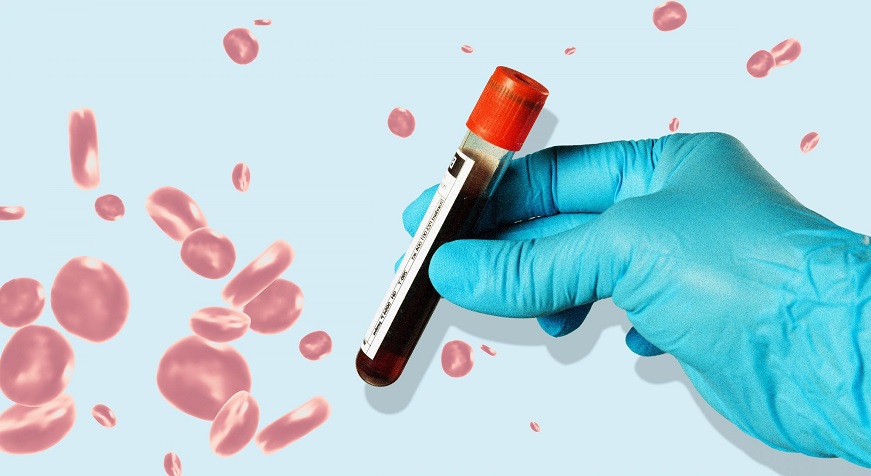
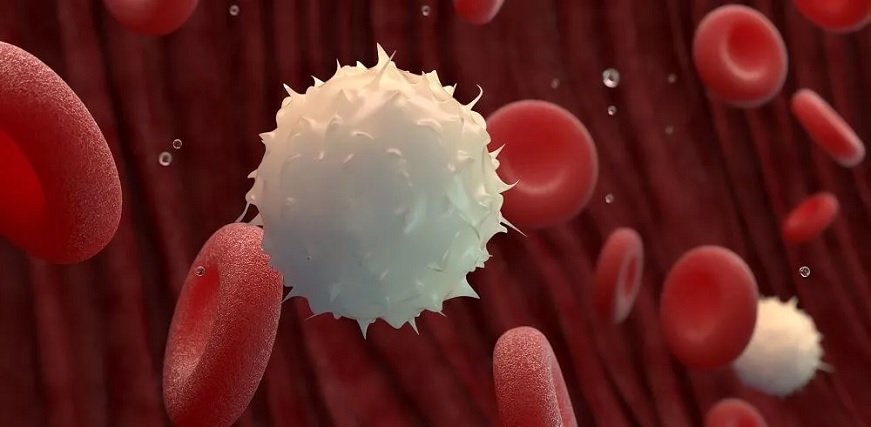
A Complete Blood Count (CBC) is commonly used to check your RBC count. It also measures haemoglobin, haematocrit, white blood cells and platelets. Other RBC-related measurements, such as MCV, MCH and MCHC, can help doctors understand the type of blood problem.
If the RBC count is low, your doctor may suggest additional tests such as:
-
Iron studies
-
Folate
-
Kidney function tests
-
Other tests based on your symptoms
Can Iron Supplements Increase RBC Count Quickly?
Iron supplements can help when iron deficiency is causing low RBC or haemoglobin levels. However, taking iron when you do not need it may be harmful. Not every low RBC count is caused by iron deficiency.
Do not start iron tablets or high-dose supplements without medical advice. Your doctor may check haemoglobin, ferritin and other tests before recommending iron treatment.
How to Increase RBC Count Naturally?
A healthy lifestyle can support normal blood formation, but there is no guaranteed natural method to quickly increase RBC count. Eat a balanced diet with enough iron, vitamin B12, folate, protein and other nutrients. Also manage any health condition that may be affecting your blood count.
Simple steps include:
-
Eat iron-rich foods regularly.
-
Include vitamin B12 and folate sources.
-
Add vitamin C-rich foods to meals.
-
Eat enough protein.
-
Avoid crash diets.
-
Follow your doctor's treatment plan.
-
Get recommended blood tests.
-
Repeat testing when advised.
When Should You See a Doctor?
You should speak with a doctor if your RBC count or haemoglobin is low, especially if you have severe tiredness, dizziness, shortness of breath, chest discomfort, fast heartbeat or unusual bleeding.
A very low blood count or sudden drop may need prompt medical attention. Do not try to treat a low RBC count only with food without first finding the cause.
Max Lab: How Can We Help?
Max Lab can help you check your RBC count through a Complete Blood Count (CBC) test. A CBC gives important information about red blood cells, haemoglobin, white blood cells and platelets. Based on your report, your healthcare professional can decide whether additional tests are needed.
You can book a CBC test with Max Lab and get your blood parameters checked. If your RBC count is low, discuss the report with a qualified healthcare professional to understand the cause and the right treatment.
Conclusion
A low RBC count should not be treated with a single food or home remedy. Finding and treating the underlying cause is the most effective way to improve red blood cell production.
A balanced diet containing iron, vitamin B12, folate, protein and vitamin C can support healthy blood formation. However, persistent or significant abnormalities require proper medical evaluation and, when necessary, targeted treatment.
If you are concerned about your RBC count, a CBC test can provide important information about your blood health and help your healthcare professional decide whether further testing is needed.
This article is for general health information and should not replace advice from a qualified healthcare professional.
















 To reach our help desk call 7982100200
.png)