










Upper respiratory tract infections (URIs) occur when viruses or bacteria affect the part of your respiratory system above the vocal cords. Upper respiratory tract infection symptoms include congestion, a runny nose, sore throat and headaches. Conditions such as the common cold, sinus infections and strep throat fall under this category. Most URIs are viral and tend to resolve without medical treatment.
What is an Upper Respiratory Tract Infection?
An upper respiratory infection (URI) affects the upper respiratory tract, including the nose, sinuses, and throat, and is caused by viruses or bacteria. Common symptoms are a runny nose, sore throat, and headache, often associated with viruses like the common cold. However, bacterial infections, such as strep throat or some cases of sinusitis, can also happen. At the same time, illnesses like the flu, COVID-19, and RSV may begin in the upper tract and spread to the lower respiratory system.
What are the Symptoms of Upper Respiratory Tract Infection?
Upper respiratory infections can affect different areas of the breathing passages, and the symptoms vary depending on the cause and location of the infection. Swelling in parts of the respiratory tract may lead to conditions such as pharyngitis, laryngitis, or epiglottitis, each with its own set of signs.
Common upper respiratory infection symptoms include:
- Fever
- Throat pain or irritation
- Coughing
- Nasal congestion or a runny nose
- Frequent sneezing
- A hoarse voice or temporary voice loss
- Tiredness or low energy
- Pain or pressure in the face
- Wheezing while breathing
- Enlarged or tender lymph nodes
What Causes Upper Respiratory Tract Infection?
An upper respiratory tract infection occurs when infectious organisms invade the upper part of the respiratory system, which includes the nose, sinuses, throat (pharynx), and voice box (larynx). These infections are among the most common illnesses worldwide and are often referred to as the common cold and other related conditions. Most upper respiratory infection causes are viral in nature, meaning viruses enter the body and multiply in the mucous membranes lining your airways. Common viruses that lead to these infections include rhinoviruses, which are the main cause of the common cold, as well as adenoviruses, parainfluenza viruses, and respiratory syncytial virus (RSV). These viruses spread easily from person to person when an infected individual coughs, sneezes, talks, or touches surfaces that others then touch, allowing the germs to enter through the nose or mouth.
Although viruses are responsible for the majority of cases, upper respiratory infection causes can also include bacterial organisms in certain situations. Bacterial infections such as streptococcus bacteria (which causes strep throat) or Haemophilus influenzae may lead to more severe symptoms and sometimes require antibiotic treatment. In rare cases, fungi can be a cause, particularly in people with weakened immune systems. The risk of infection increases in crowded places, during colder months, or with close contact to infected individuals. Most infections resolve on their own, but understanding whether a virus or bacteria is responsible helps guide appropriate care and treatment decisions.
What are the Different Types of URIs?
Upper respiratory infections are classified into different types depending on which part of the upper respiratory system is affected. These types of upper respiratory tract infection vary in symptoms, severity, and duration.
- Common cold is the most widespread form of upper respiratory infection. It is usually caused by viruses, especially rhinoviruses. Typical symptoms include a runny or blocked nose, sneezing, sore throat, and coughing.
- Sinusitis, also known as a sinus infection, occurs when the sinuses become inflamed. This condition may cause nasal congestion, facial pain or pressure, headache, and thick nasal discharge. Sinusitis can be short-term (acute) or long-lasting (chronic).
- Pharyngitis affects the pharynx, commonly known as the throat. It often presents as a sore throat and may be caused by viral or bacterial infections. Symptoms include throat pain, difficulty swallowing, and swollen lymph nodes in the neck.
- Laryngitis involves inflammation of the larynx or voice box. It commonly leads to hoarseness, loss of voice, throat discomfort, and a dry cough. Viral infections are the most frequent cause.
- Tonsillitis is an infection of the tonsils, which are lymphatic tissues located at the back of the throat. Symptoms include severe sore throat, red and swollen tonsils, fever, and sometimes white or yellow patches on the tonsils.
- Rhinitis affects the nasal passages and causes symptoms such as sneezing, nasal congestion, itching, and a runny nose. It may result from infections or allergic reactions.
Are Upper Respiratory Tract Infection Contagious?
Upper respiratory infections caused by viruses or bacteria can spread easily from person to person. These germs are passed through:
- Tiny droplets are released into the air when an infected person coughs, sneezes, or talks.
- Sharing food, drinks, or utensils like spoons, forks, cups, or water bottles.
- Touching surfaces or objects contaminated with germs, like doorknobs, mobile phones, toys, or light switches, and then touching your face.
However, upper respiratory infections caused by fungi do not spread from person to person.
What are the complications of URI?
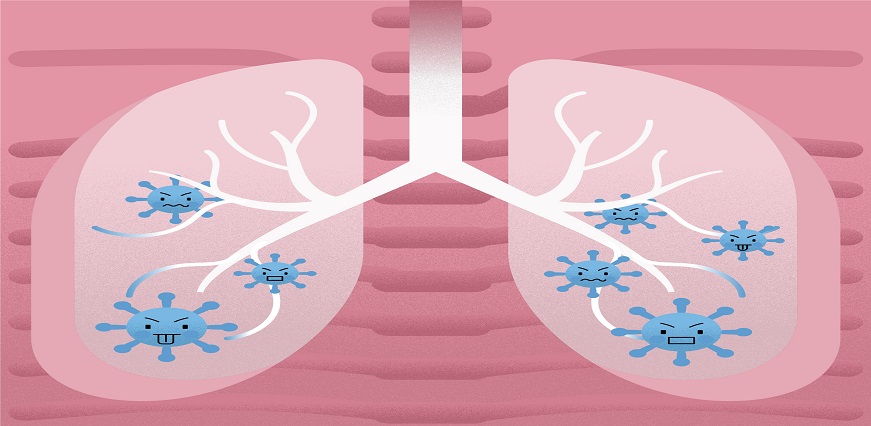
Upper respiratory tract infections, such as the common cold, usually resolve without causing serious problems. However, in some cases, they can lead to complications. For example, the infection may spread to the lungs and result in pneumonia.
If bacterial or fungal infections aren’t treated properly, they can spread beyond the respiratory tract and lead to more serious conditions, including:
- Meningitis
- Rheumatic fever
- Scarlet fever
- Sepsis
- Damage to vital organs
Certain people are more vulnerable to complications, including those with underlying health conditions, weakened immune systems, adults over the age of 65, and newborn babies, who are at higher risk of severe illness.
How Are URIs Diagnosed?
Diagnosing an upper respiratory infection usually involves reviewing symptoms, understanding medical history, and performing a physical exam. This approach is especially important when assessing an upper respiratory tract infection in children, as symptoms can progress quickly and may lead to complications if overlooked.
Medical History: The healthcare provider asks about current symptoms, how long they’ve been present, and whether there’s been recent contact with someone who is ill. They also review past medical conditions, ongoing illnesses, or recent infections.
Symptom Assessment: Common symptoms such as a blocked or runny nose, sore throat, coughing, fever, fatigue, and general discomfort are carefully evaluated to determine the severity and possible cause of the infection.
Physical Examination
- Nose check: The doctor looks for nasal swelling, congestion, or discharge.
- Throat check: The throat is examined for redness, swelling, pus, or white patches on the tonsils.
- Ear exam: An otoscope is used to check for fluid buildup or signs of ear infection.
- Chest and lung exam: The provider listens to breathing sounds to rule out involvement of the lower respiratory tract, which could signal complications of upper respiratory tract infection.
Diagnostic Tests (if needed)
- Throat swab: Used to detect bacterial infections such as strep throat.
- Nasal swab: Helps identify viral causes like influenza or RSV.
- Blood tests: May be done to look for infection or inflammation.
- Chest X-ray: Recommended if pneumonia or spread of infection to the lungs is suspected.
Together, these steps help confirm the diagnosis and guide appropriate treatment while minimising the risk of complications.
Care Tips for URIs
Managing an upper respiratory infection focuses on easing discomfort and helping the immune system recover naturally. The following care measures can help relieve upper respiratory infection symptoms and support healing at home.
- Get Adequate Rest: Allow your body enough time to recover by taking proper rest. This helps your immune system fight the infection more effectively.
- Stay Well Hydrated: Drink plenty of fluids such as water, warm soups, broths, and herbal teas. Fluids help keep the throat moist and loosen mucus, making congestion easier to manage.
- Maintain Nutritious Eating Habits: Include fruits, vegetables, and other nutrient-rich foods in your meals to strengthen immunity during recovery.
- Relieve Symptoms: Over-the-counter medicines like acetaminophen or ibuprofen can reduce fever and body aches. Decongestants may help clear a blocked nose, while cough syrups or expectorants can ease coughing. Always use them as directed.
- Use Moist Air: Running a humidifier or taking warm, steamy showers can soothe irritated airways and reduce nasal and throat discomfort.
- Try Nasal Cleansing: Saline sprays or rinses help flush out irritants and ease nasal blockage, making them useful upper respiratory tract infection home remedies.
- Soothe a Sore Throat: Gargling with warm salt water, sucking on lozenges, or using honey can help calm throat irritation.
- Avoid Triggers: Stay away from smoke, strong smells, and pollution, as these can worsen symptoms.
- Practice Good Hygiene: Wash hands frequently, avoid close contact with others, and cover your mouth and nose when coughing or sneezing to limit the spread of infection.
- Watch for Warning Signs: Seek medical help if symptoms worsen, last longer than a week, or if you experience high fever, breathing difficulty, or chest pain.
- Follow Medical Guidance: If a healthcare provider prescribes medication, take it exactly as instructed.
These care tips can help you manage symptoms comfortably and recover faster while reducing the risk of complications.
Upper respiratory tract infections are common illnesses that usually resolve on their own with proper care and rest. Understanding the causes, symptoms, types, and treatment options helps in managing the condition effectively and preventing complications. Practicing good hygiene, following home care tips, and seeking medical attention when needed can support faster recovery and protect overall respiratory health.
















 To reach our help desk call 7982100200
.png)
Comments