









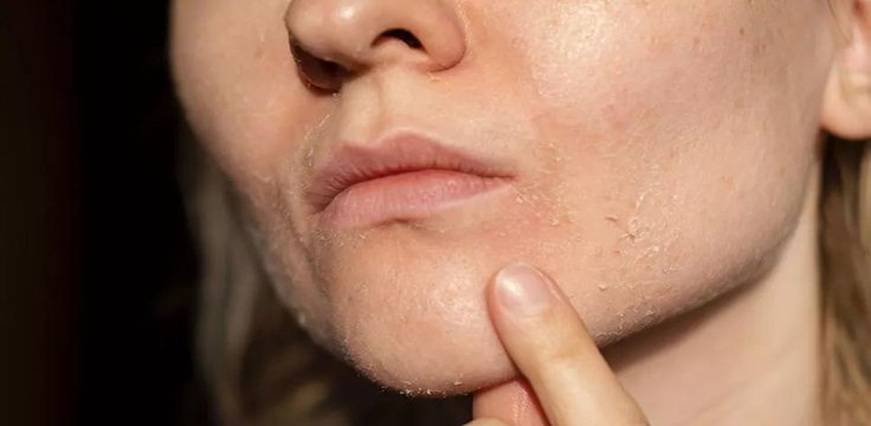
As the temperature starts to drop and winter sets in, many people notice a different kind of itchiness on the skin. This is often followed by extreme dryness and small patches of flaky skin. Known as winter rash, this is one of the most common conditions people deal with in this season, and it is. It can cause major discomfort, especially when persistent and not taken care of.
Here is a detailed guide on winter rash, including its causes, symptoms, treatment, and prevention.
What is winter rash?
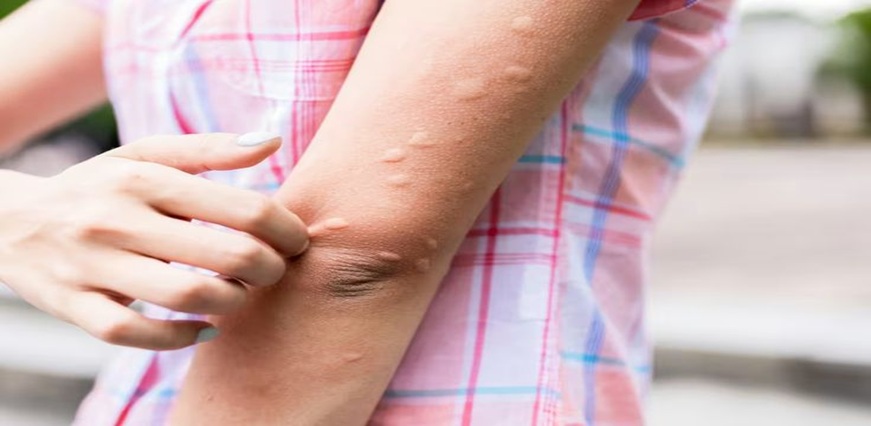
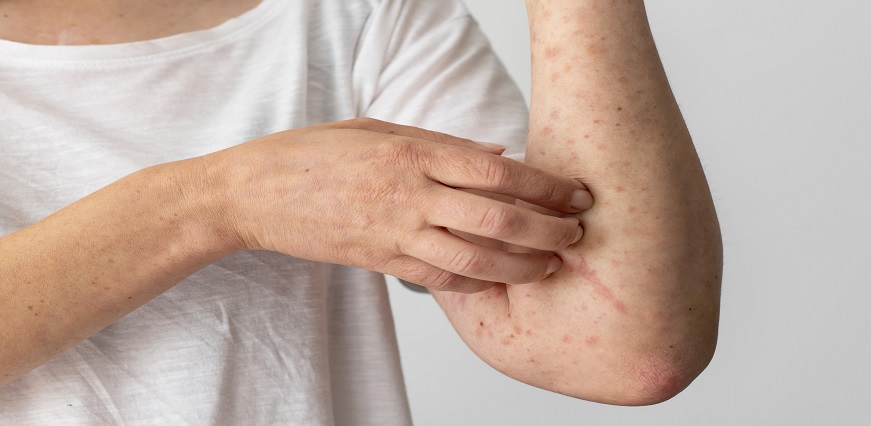
Winter rash refers to a skin condition that leads to dryness, itching and red patches. Sometimes, it also includes small red patches with flaky skin all around. This condition occurs in the winter season, as the atmospheric air lacks moisture in this season. This rash may affect a single area of one’s body (often legs, arms, or hands), or it may be widespread and affect several body parts at the same time. While winter rash is a condition that can affect anyone, it is more common in people with sensitive skin. Or those with an existing skin condition like eczema, psoriasis, etc., are also at a higher risk of developing rashes during winter.
What are the main causes of winter rash?
There are several environmental and lifestyle factors that make an individual’s skin more susceptible to dryness and cause winter rash. Some of these include:
- Cold Weather: During the winter season, there is a significant decrease in temperature and humidity levels. This has a negative impact on the skin, causing dryness and red patches followed by itchiness.
- Sudden temperature change: Moving from extreme cold environments to heated indoor spaces can also cause rashes on the body.
- Indoor Heating: Fireplaces, room heaters or any other indoor heating solutions are known to reduce indoor humidity. Prolonged exposure to these leads to dry and itchy skin, which often turns into small red patches.
- Hot Showers: During winter, the skin easily loses its moisture, and taking long, hot showers can further contribute to it. Hot water strips the skin of its natural protective oils, leading to dry, flaky skin.
- Harsh Soaps: Soaps and cleansers that contain alcohol or sulphate are not good for the skin. They have a drying effect and can lead to winter rash.
- Improper Skincare: It is important to follow a good skincare routine during winters. Skipping moisturiser after washing hands, feet, or face leaves the skin dry and unprotected.
- Poor Hydration: Reduced intake of water is another major factor that contributes to winter skin rash and several other issues.
What are the symptoms of winter skin rash?
The symptoms of winter rash can slightly vary from one individual to another, depending on the severity of the condition. However, a few warning signs always remain the same, such as:
- Dry, rough, and flaky skin
- Small red patches on the skin
- Itching or burning sensation
- Skin tightness and sensitivity
- Peeling or cracking of the skin
- Small red bumps
How to differentiate between winter rash and other skin conditions?
There are several skin conditions that have symptoms similar to winter rash. As a result, many people get confused, leading to a delay in the right treatment. Understanding the difference allows one to take the necessary steps to manage the condition.
- As the name suggests, winter rash is a season-specific condition that occurs only in winter months. But other skin issues can start at any time of the year.
- Winter rash is triggered by cold weather and dry air, while other skin conditions have different underlying causes.
- The patches caused by winter rash are small and mild, while eczema and psoriasis cause thicker patches with severe inflammation.
Who can develop winter rash?
Anyone can develop a winter rash, but people with sensitive skin are more prone to it. During winter season, cold air affects the skin, resulting in extreme dryness and itching, making it more sensitive. Apart from this, individuals who have any existing skin conditions, like eczema, psoriasis, etc., are also very likely to develop a winter rash.
How to treat winter rash?
The treatment of winter rash and dry skin usually involves following a gentle, season-specific skincare routine with an emphasis on adequate moisturising. However, medical intervention is required where the condition is persistent. In such cases, the doctor may suggest a few medicines along with topical treatment.
When to seek medical help?
Usually, winter rashes go away with consistent application of moisturiser, but sometimes they may require medical intervention. Here are a few cases that indicate the need for the same:
- Persistent rash
- Severe itching or pain
- Spread of inflammation
- Signs of infection such as pus-filled bumps
What are some effective home remedies for winter rash?
- Coconut Oil: This is an excellent natural moisturiser known to treat various skin conditions. With its fatty acids and antimicrobial properties, coconut oil not only gives quick relief from itchiness but also keeps the skin soft and hydrated.
- Aloe Vera Gel: Aloe vera gel is known for its anti-inflammatory compounds. Applying it to the affected skin can significantly reduce itching and redness.
- Oatmeal: Oatmeal has soothing properties, and it can calm irritated, itchy skin. The best way to treat winter rash is to add colloidal oatmeal to lukewarm water and take a bath with this.
- Honey: This is another ingredient known for its antimicrobial properties. When applied to the skin, it gives a nourishing effect, reducing the inflammation.
How to prevent winter rash?
The primary reason for a winter rash is dry air and cold temperatures. The best way to prevent it is to avoid stepping out without adequate protection. Apart from this, following a few simple tips can minimise the risk of winter rash and other skin issues:
- Use a humidifier while staying indoors, as it adds moisture to the air.
- Reduce the showering time during winter.
- Always use lukewarm water for bathing instead of hot water, as it can strip skin of natural oils.
- Follow a winter-specific skincare routine.
- Use mild, fragrance-free soaps and cleansers on a daily basis.
- Apply hydrating, emollient moisturisers on the face and other body parts.
- Wear soft clothes made from breathable fabrics underneath and then layer them with woollens.
- Always apply sunscreen with good SPF protection.
- Limit the exposure to fireplaces, room heaters or any other indoor heating method.
- Drink at least 2-3 litres of water every day.
- Consume citrus fruits and other food items that help in maintaining skin health.
Winter skin rash is a common but manageable condition that is caused by the lack of moisture in the atmospheric air. Recognising its symptoms allows for prompt and effective management. With proper treatment, winter rash gets better within a few days. However, following a winter-specific skincare routine is the best way to avoid dry skin and winter rash.



















 To reach our help desk call 7982100200
.png)
Comments