









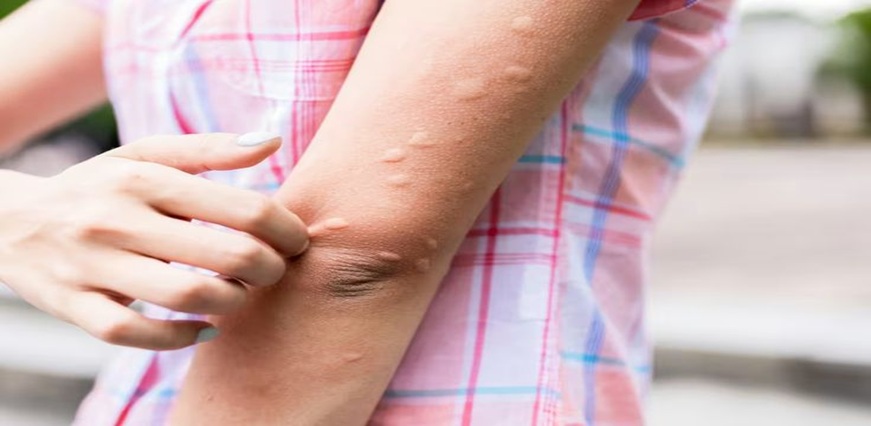
Typhus is a group of bacterial infections that is known for its significant impact on health. There are several different types of typhus, and all of them cause similar symptoms. Some common ones include high fever, chills, cough, etc. Sometimes, it also leads to rashes, body aches, and digestive issues. Scrub typhus is one of these infections, and it is commonly transmitted by fleas, lice, etc.
Here is a detailed guide on this bacterial infection that includes the causes, symptoms and treatment of scrub typhus, along with its risk factors and prevention.
What is scrub typhus?
Scrub typhus, also known as bush typhus, is a bacterial infection that affects people of all ages. This infection is caused by bacteria called Orientia tsutsugamushi. This infection is commonly spread to human beings through bug bites. When an infected flea, louse or chigger bites a healthy individual, this bacterium enters the person’s body. This illness often starts with mild flu-like signs and causes other symptoms like fever, headache, body aches, rash, etc., as it progresses.
This bacterial infection can be cured completely with timely medical intervention and the right amount of care. If not treated appropriately, scrub typhus disease can lead to several health issues, such as organ damage and severe bleeding.
What are the main causes of scrub typhus?
Scrub typhus is not a contagious disease, which means it does not spread from one person to another. This condition is triggered by the Orientia tsutsugamushi bacteria and is passed through environmental exposure. Scrub typhus is most commonly caused by bug bites. When a flea, louse (lice) or chigger infected with the bacteria bites an individual, this infection is transmitted.
What are the symptoms of scrub typhus?
Recognising the symptoms of scrub typhus at an early stage can help in timely treatment. The symptoms of this bacterial infection can be mild at the beginning, but as time passes, they become more severe. Here are a few common warning signs:
- High fever
- Chills
- Body ache
- Headache
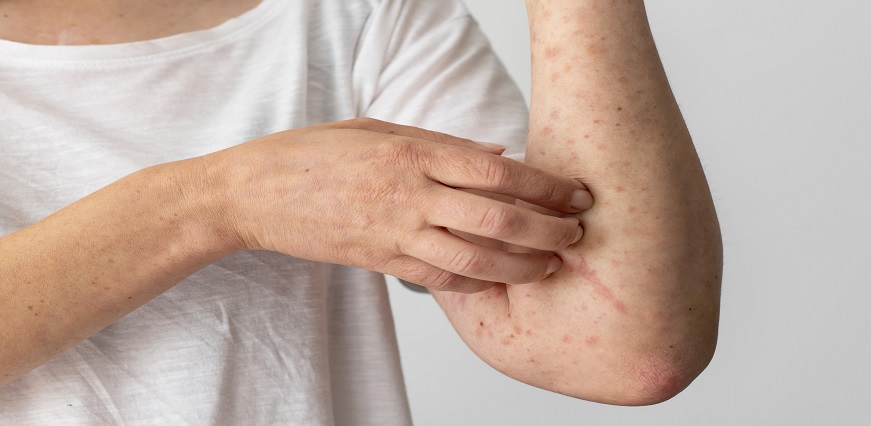
- Rashes on the body
- Persistent cough
- Nausea or vomiting
- Stomach pain
- Swollen lymph nodes
- Confusion
- Eschar (a dark scab formed around the chigger bite)
What are the complications of scrub typhus?
When left untreated, scrub typhus can lead to several health issues, some of which are life-threatening as well. Here are a few major complications of this bacterial infection:
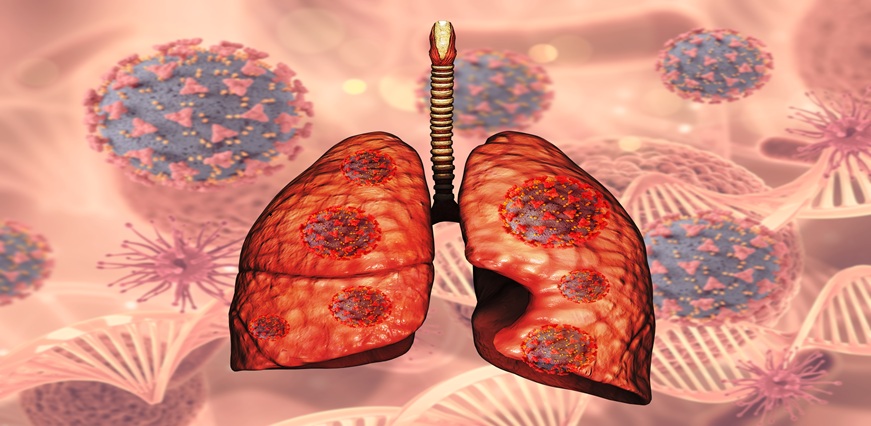
- Lung Problems: After getting infected with scrub typhus, an individual might also develop a few long-term lung-related issues. This includes inflammation and fluid buildup in the lungs. Known as acute respiratory distress, this condition leads to difficulty in breathing.
- Heart Issues: A few individuals experience irregular heartbeat or inflammation in the heart muscles after getting this bacterial infection. This is known to affect the blood circulation and can also lower one’s energy levels.
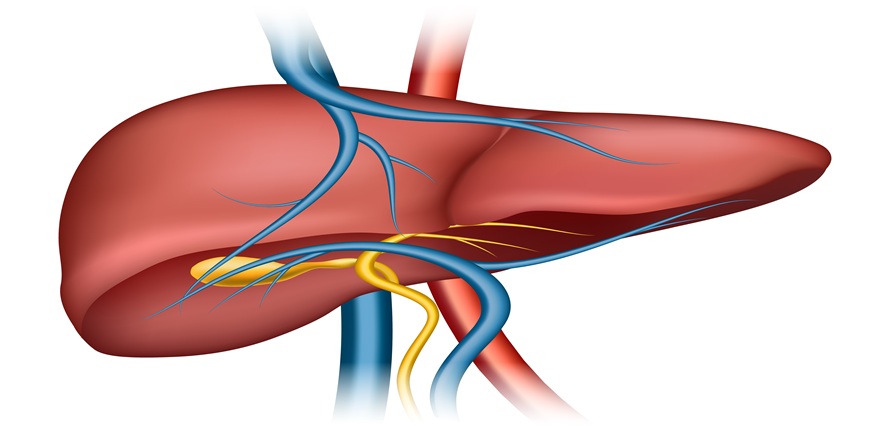
- Liver and Digestive Problems: Some people experience severe nausea and vomiting along with abdominal pain. This happens due to swelling in the liver and can occur after a few days of getting this bacterial infection.
- Kidney Function Decline: In some cases, scrub typhus leads to several kidney-related issues. If not treated on time, it results in acute kidney injury, causing several other major health issues.
- Neurological Effects: Sometimes, scrub typhus also has some severe neurological effects. This leads to issues like mental fog, irritability, etc. In some severe cases, seizures may also appear.
Apart from these, if a pregnant female gets infected in the early stages of pregnancy, it puts her at a higher risk of miscarriage, preterm birth and low birth weight.
What are the risk factors of scrub typhus?
- Spending a significant amount of time outdoors, especially in areas with long, dense grass
- Exposure to environments where mites are more likely to be found
- Not wearing protective clothing while stepping outdoors
How is scrub typhus diagnosed?
Doctors usually start the diagnosis of scrub typhus by taking an individual’s symptom history and performing a basic physical examination. During this examination, the doctor looks for rashes on the body and also sees if the person has a dark-coloured scab called eschar. For confirmation, they may also suggest a blood test. This test detects the presence of antibodies in one’s bloodstream that indicate an active or recent infection. In some cases, a skin biopsy is also required. This is a simple diagnostic procedure in which the sample of skin around the eschar is examined under a microscope.
What is the treatment for scrub typhus?
A scrub typhus infection can be completely cured with the help of the right medicines. Doctors often suggest antibiotics to treat this infection. Apart from this, a few other medicines are also prescribed to ease other symptoms such as fever, body ache, rash, etc.
What are some useful tips for scrub typhus prevention?
Currently, no vaccine is available to prevent scrub typhus. The best way to prevent typhus is to avoid flea, lice and chigger bites.
- Chiggers are tiny larval mites that are typically found in bushes, weeds, leaf piles, and forest edges. To minimise the chances of being bitten, it is always recommended to take enough precautions while going outdoors.
- Mites are usually more active during warm and humid weather. So it is important to take extra precaution while being outdoors during these times.
- Use an effective bug spray which is known to have good repelling power.
- While stepping out of the house, keep the skin covered as much as possible. For this, gloves and socks can be used along with long-sleeved clothes.
- Wearing insect-repellent clothing is also a good option. It is made using special fabric that has been treated with permethrin.
- For people with pets, it is essential to visit the veterinarian regularly and take all the precautions to keep them free from fleas.
- It is essential to clean up brush piles on a regular basis and keep the trash in covered containers. This helps in preventing rodents, which are a common carrier of bacteria that cause scrub typhus.
- It is important to maintain good hygiene after every outdoor exposure by taking regular showers with soap and lukewarm water.
- Always trim overgrown grass in the house garden and remove leaf litter to prevent mites.
- Avoid sharing bedding, clothing, towels or personal items with others.














 To reach our help desk call 7982100200
.png)
Comments