








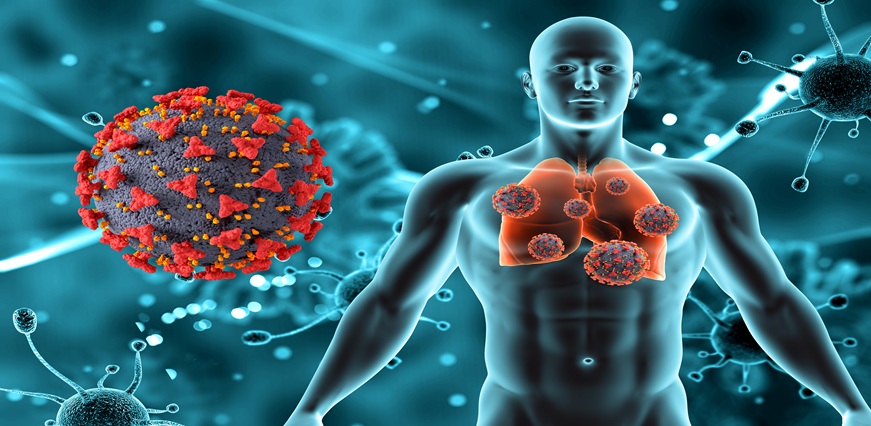
Lungs are among the most vital organs in the human body. They are responsible for supplying oxygen to every cell and removing carbon dioxide that is produced as waste. An individual’s lungs should work efficiently in order for him/her to lead a healthy life. Any issue with the lungs can have a major negative impact on the person’s health and overall lifestyle.
What is Lung Disease?
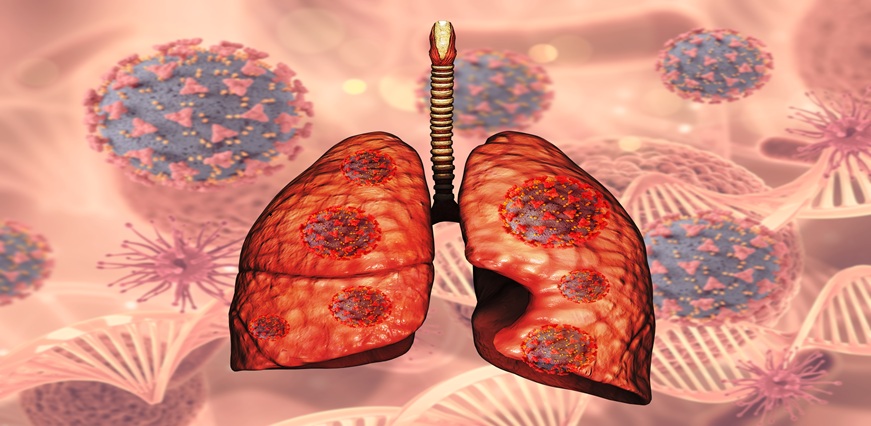
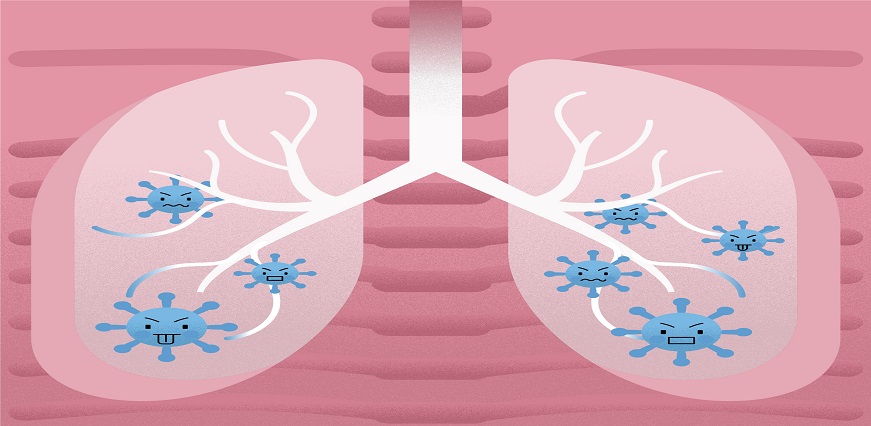
Lung disease is an umbrella term for a variety of health conditions that affect an individual’s lungs and interfere with normal breathing. In such situations, an individual’s lungs stop working the way they should. It can make even the simplest activities like breathing, walking, or talking feel extremely exhausting. Some of these conditions affect the airways, while a few others lead to major damage in the lung tissue. This can vary from one type of lung disease to another.
What are the different types of Lung Disease?
Obstructive Lung Disease: These medical conditions primarily affect the tubes that carry oxygen and other gases to and from the lungs, known as airways. Since they cause narrowing or blockages in the airways, they are often referred to as airway diseases. Some common obstructive lung diseases include:
- Asthma: Chronic inflammation and narrowing of airways, often triggered by allergens.
- COPD (Chronic Obstructive Pulmonary Disease): Causes significant damage to the air sacs, leading to inflammation in the bronchi.
- Bronchiectasis: Airways widen and stretch, leading to frequent infections.
Restrictive Lung Disease: This type of lung disease changes the structure of lung tissue and reduces the lungs’ ability to expand. As a result, breathing in and out becomes extremely difficult. Some common restrictive lung diseases include:
- Pulmonary Fibrosis: Results in scarring of lung tissue, making it stiff and hard to expand.
- Pneumonia: Causes air sacs to fill with fluid or pus, impairing oxygen exchange.
- Cystic Fibrosis: This is a genetic disorder which produces thick mucus blocking airways.
Lung Circulation Disease: These lung diseases are known to affect the blood vessels in the lungs. They are often caused by clotting, scarring, or inflammation in the lungs and impair their ability to oxygen exchange. Here are a few common examples:
- Pulmonary Hypertension: Causes high blood pressure in the pulmonary arteries, leading to heart-related issues
- Pulmonary Embolism: Blood clots form in the lung artery.
Lung Cancer: Lung cancer is a result of abnormal cell growth in the lungs. It is often caused by smoking or prolonged exposure to dust, chemicals, fumes, etc.
What are the common signs and symptoms of lung disease?
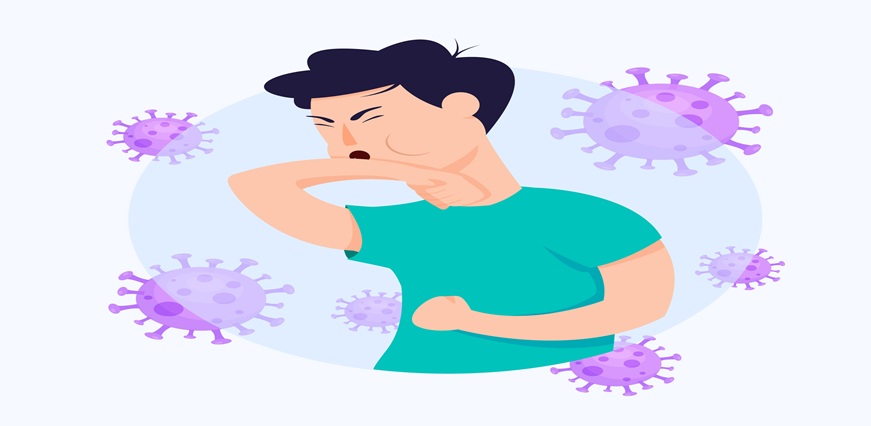
While the symptoms of lung disease can vary depending on the type and severity of the condition, a few warning signs remain the same. These include:
- Cough
- Shortness of breath
- Wheezing or whistling noises from your chest
- Tiredness
- Chest pain
- Coughing up blood
- Frequent respiratory infections
- Bluish or greyish skin, lips or nails
What are the main causes of lung disease?
There are several different factors that are associated with lung disease. Environmental factors, like air pollution, chemicals, dust, fumes, etc., are known to cause significant damage to the lungs. When one inhales a harmful substance, it can have a negative impact on the lungs. Apart from this, lifestyle habits like smoking, vaping, etc., genetics, and allergic reactions are also among the major causes of lung disease.
What are the risk factors of Lung Disease?
Anyone can develop lung-related problems, regardless of their age, gender, etc. However, there are a few factors that put an individual at a higher risk of lung disease, such as:
- Age
- Lifestyle factors such as smoking, vaping, etc.
- Work environment with constant exposure to dust, gas, fumes, or chemicals
- Family history of lung disease
- Certain medications
- Connective tissue and inflammatory diseases, like rheumatoid arthritis (RA), lupus, etc.
What are the complications associated with Lung Disease?
- Collapsed lung (pneumothorax)
- Fluid around lungs (pleural effusion)
- High levels of carbon dioxide in the blood (hypercapnia)
- Low levels of oxygen in the blood (hypoxaemia) or tissues (hypoxia)
- Pneumonia
- Pulmonary hypertension
- Respiratory failure
- Right-sided heart failure (cor pulmonale)
How is the diagnosis performed for Lung Disease?
Lung disease is among the most serious health issues that need timely medical intervention. It is always recommended to consult a doctor immediately after experiencing any symptoms that indicate lung disease. Generally, the doctor starts the diagnosis by taking a detailed medical history, followed by a physical examination. Depending on the symptoms and health history of the person, the doctor may also suggest a few tests to determine the lung damage.
In some cases, a specialised blood test is enough, while some other individuals might need imaging tests like chest X-rays and CT scans. Sometimes, the doctor may also suggest a lung biopsy if any abnormalities are found on the imaging scan.
What is the treatment for Lung Disease?
While many chronic lung diseases cannot be completely cured, there are ways to manage the symptoms effectively. This helps in slowing down the disease progression and enhancing the quality of life. In mild conditions, the doctor often prescribes over-the-counter medication to relax and open the airways and reduce inflammation. In case of an infection, antibiotics are also used as a part of the treatment.
For individuals with severe lung issues, supplemental oxygen is also provided along with medication and other treatment methods. Apart from this, pulmonary rehabilitation is a medically supervised exercise programme, which can be very helpful in improving the overall lung function.
What are some tips for Lung Disease prevention?
- Smoking and vaping are among the major causes of lung-related issues. They can cause severe damage to the airways and lung tissues. It is best to limit these or avoid them altogether to reduce the risk of lung disease.
- Limit exposure to pollutants that can cause damage to airways. It is best to use a mask while stepping out in areas with higher levels of air pollution.
- For those working in environments involving exposure to fumes, dust, chemicals, etc., it is recommended to use adequate industry-level respiratory protection.
- Always wash your hands with soap and clean water thoroughly to prevent any infections.
- Getting vaccinated against respiratory illnesses can also help in preventing lung infections.













 To reach our help desk call 7982100200
.png)