









Welcome to the fascinating world of hormones! If you've ever wondered how your body regulates reproductive functions, you might have come across the term Follicle Stimulating Hormone (FSH). This vital hormone plays a key role in both men and women's fertility. But what exactly is an FSH test, and why is it important? Whether you're trying to conceive or just curious about your hormonal health, understanding FSH can provide crucial insights into your reproductive system.
What is FSH and how does it work?
Follicle Stimulating Hormone (FSH) is a crucial hormone produced by the pituitary gland. It plays a vital role in reproductive health for both men and women.
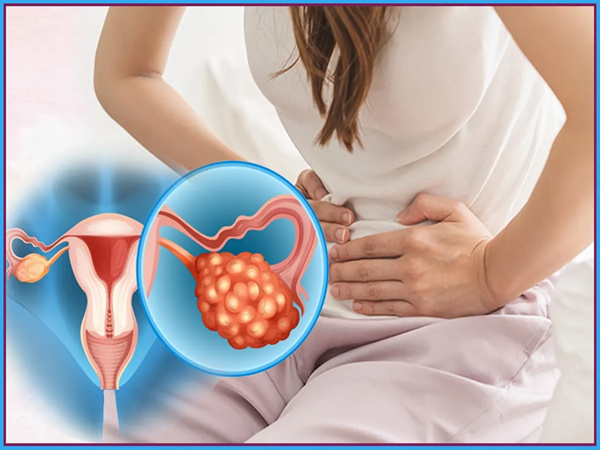
In females, FSH stimulates the growth and maturation of ovarian follicles, which are essential for egg production. Higher levels during certain phases of the menstrual cycle encourage ovulation.
For males, FSH supports sperm production by acting on the Sertoli cells in the testes. This process is essential for maintaining fertility.
The regulation of FSH is complex and involves feedback mechanisms from other hormones like estrogen and testosterone. These intricate interactions ensure that reproductive functions occur smoothly throughout life stages.
Understanding the Levels and Range of FSH
FSH levels vary throughout a person's life and can be influenced by various factors, including age, gender, and reproductive health.
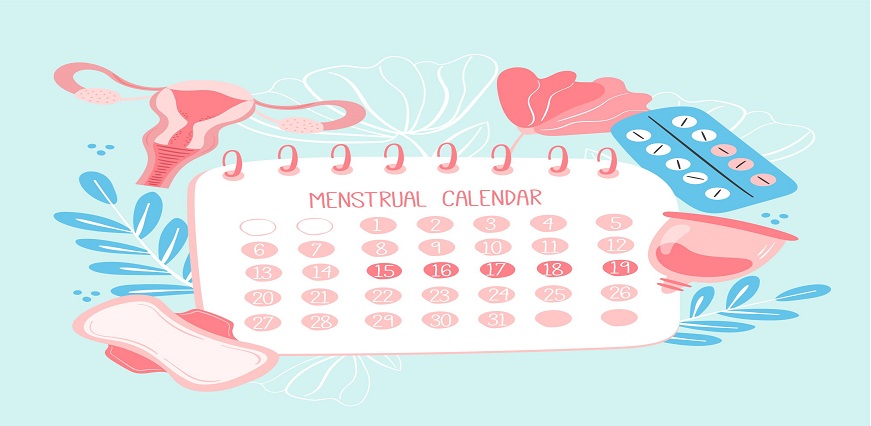
In women, FSH plays a crucial role in the menstrual cycle. Typically, during the follicular phase of the cycle—which is the first half—levels are relatively low but rise as ovulation approaches.
For men, FSH supports sperm production and maintains testicular function. Normal ranges differ between genders; for women in their reproductive years, normal FSH levels generally fall between 4.7 to 21.5 mIU/mL. Men usually have levels ranging from about 1.5 to 12.4 mIU/mL.
Symptoms
Abnormal levels of follicle stimulating hormone (FSH) can manifest through various symptoms. For women, elevated FSH levels often indicate menopause. This may lead to irregular periods, hot flashes, and mood swings. It’s a significant transition that many experience.
In men, high FSH could signal issues with sperm production or testicular function. Symptoms might include infertility or reduced libido.
Both genders may notice changes in energy levels and overall reproductive health due to fluctuating FSH levels.
Common Reasons for Abnormal FSH Levels
Abnormal FSH levels can signal various health issues. In women, elevated follicle stimulating hormone may indicate ovarian insufficiency or menopause. As the ovaries lose their functionality, the body compensates by producing more FSH.
In men, high FSH often points to testicular dysfunction. Conditions like Klinefelter syndrome or damage from injury can cause this imbalance.
Certain medical conditions also impact these hormone levels. Disorders such as polycystic ovary syndrome (PCOS) in women lead to irregularities that affect ovulation and overall hormonal balance.
Stress and lifestyle factors shouldn't be overlooked either. Chronic stress can disrupt pituitary function, affecting how your body produces hormones like FSH.
How is the FSH Test Performed?
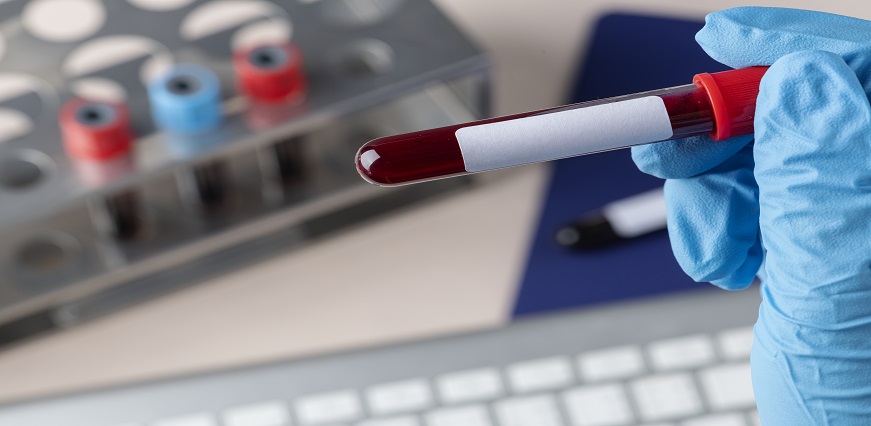
The FSH test is a straightforward procedure that typically involves a blood draw. A healthcare professional will locate a suitable vein, usually in your arm, to collect the sample.
Before the test, you may be advised to avoid certain foods or medications. Following any specific prep instructions can help ensure accurate results.
After taking the sample, it’s sent to a lab for analysis. The hormone levels measured in your blood will shed light on various aspects of reproductive health.
For women, timing is important; tests are often scheduled during specific phases of the menstrual cycle for accuracy. In men, testing can occur at any time as their hormone levels remain relatively stable throughout the month.
Interpreting the Results of an FSH Test
Interpreting the results of an FSH test requires a careful look at the levels obtained and how they relate to your specific health context. Normal Follicle Stimulating Hormone (FSH) levels vary depending on age, sex, and stage of life.
For women, values can fluctuate throughout their menstrual cycle. Generally, a normal range is lower during the follicular phase and rises just before ovulation. High FSH levels in women may indicate ovarian insufficiency or menopause.
In men, elevated FSH levels might signal issues with sperm production or testicular function. Understanding these numbers isn't just about the digits; it's crucial to consider accompanying symptoms like irregular periods for women or fertility challenges in men. Each case is unique and should be discussed with a healthcare provider for tailored insights into what those hormone readings truly mean.
Lifestyle Changes to Improve FSH Levels
Making certain lifestyle changes can significantly impact Follicle Stimulating Hormone levels. A balanced diet rich in nutrients is a great start. Incorporate foods high in antioxidants, such as berries and leafy greens, to support overall hormonal balance.
Regular physical activity plays a crucial role too. Aim for moderate exercise most days of the week. Activities like walking, yoga, or swimming can help reduce stress and improve hormone regulation.
Managing stress effectively is essential for maintaining healthy FSH levels. Techniques such as meditation, deep breathing exercises, or even engaging hobbies can lower cortisol levels that may interfere with hormonal function.
Adequate sleep should not be overlooked either. Strive for 7-9 hours per night to allow your body to recover and maintain proper endocrine function.
Avoid smoking and limit alcohol consumption—both factors known to disrupt hormone production and imbalance FSH levels over time.
Conclusion
Understanding Follicle Stimulating Hormone (FSH) is vital for both men and women, as it plays a significant role in reproductive health. This hormone is produced by the pituitary gland and stimulates the growth of ovarian follicles in females while aiding sperm production in males. Knowing what an FSH test entails can provide insights into your hormonal balance.
















 To reach our help desk call 7982100200
.png)