









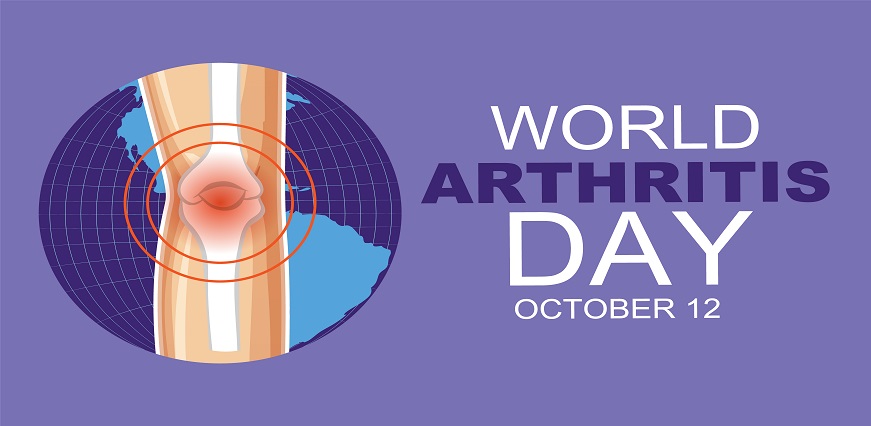
World Arthritis Day was observed for the first time in 1996 with an aim to spread awareness about the impact of rheumatic and musculoskeletal diseases (RMDs). It was established by the Arthritis Foundation and ever since then, it has been celebrated all across the world on the 12th of October, every year.
The Significance of World Arthritis Day
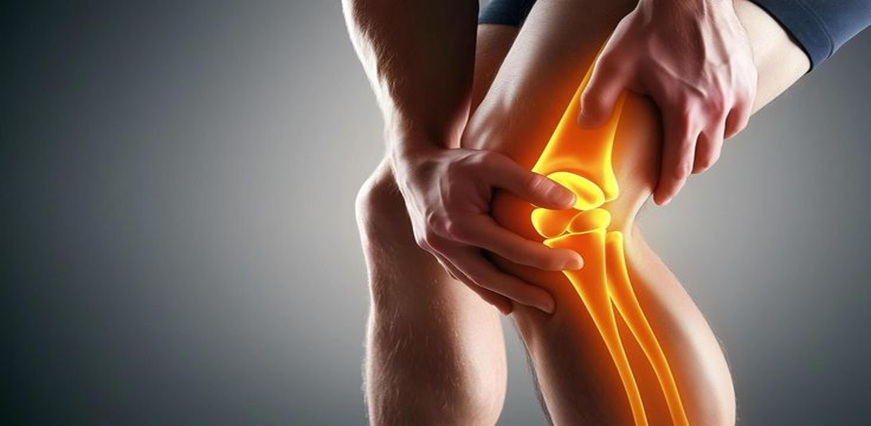
The term arthritis comes from the Greek word “arthro”, which means “joint”, and “it is”, which means “inflammation”. Even though arthritis is an extremely common ailment, a lot of misconception surrounds it. For example, unlike popular belief, arthritis is not a single disease but an umbrella term that encompasses more than 100 conditions that affect the joints, like rheumatoid arthritis, fibromyalgia, lupus, and psoriatic arthritis. The symptoms of arthritis also vary, depending on the condition one is suffering from. Known to affect the joints like the knee or hip, arthritis is considered to be an old-people disease by most, and while it is true that the risk of developing arthritis increases with age, it can affect individuals of any gender and at any age.
Such common misconceptions are why World Arthritis Day is celebrated.
How Should One Observe World Arthritis Day?
Raise Awareness
Find out more about arthritis and how it can impact people and learn how arthritis patients can be helped. Everyone should pledge to help out people with arthritis whenever they get the chance.
Take Care
Arthritis is unavoidable in many cases. However, regular exercise and proper diet can go a long way in controlling the condition.
Be Prepared
Consult a doctor about undergoing an arthritis test panel, which includes a vitamin D test, calcium test, CRP test, thyroid test, etc. An arthritis test panel can help one understand their risks for developing arthritis.
Objectives of World Arthritis Day 2022
The theme of World Arthritis Day 2022 is “It’s in Your Hands, Take Action.” The theme has been set to raise awareness of RMDs among people suffering from the condition as well as their families, care takers, and people in general, encouraging them to seize opportunities to make a difference, helping improve the quality of life of people with osteoarthritis, juvenile rheumatoid arthritis, and other RMDs. World Arthritis Day 2022 is being observed with the objective of:
- Enhancing the understanding of the value of people making healthy choices and pursuing healthy lifestyles.
- Spreading knowledge about healthy lifestyles and their value among people.
- Encouraging regular full body health check-ups and diagnostic tests for the early detection of arthritis.
The objectives demand urgent and proactive action regarding arthritis, which can form a steppingstone towards the elimination of this problem in the future.
Some Quick Facts about Arthritis
- The most prevalent type of arthritis is osteoarthritis, the symptoms of which include painful, tender, and stiff joints, loss of range of motion of joints, bone spurs, etc. Osteoarthritis affects larger and smaller joints in humans and can also affect animals like dogs, cats, and horses.
- Treatment of osteoarthritis cannot eliminate the condition but is more focused on relieving the symptoms, helping people live a more regular life.
- Arthritis can negatively affect a person’s ability to work and in some cases, may even prevent them from working.
- Regular physical activity like biking, walking, and swimming can help improve the mood, function, and quality of life, while also helping reduce arthritis pain.
- Maintaining a healthy weight goes a long way in lowering one’s risk of developing osteoarthritis of the knee.
Types of Arthritis
Arthritis means inflammation or swelling of the joints and can refer to more than 100 conditions affecting joints, connecting tissues, and tissues around the joints. While symptoms usually include pain and stiffness of the joints, specific symptoms vary depending on the condition one is suffering from. Some of the common types of arthritis and symptoms include:
- Osteoarthritis (OA): Reduced range of motion, reduced joint flexibility, swelling, stiffness, pain.
- Fibromyalgia: Body pain or stiffness, fatigue, depression, anxiety, sleeping issues, inability to concentrate, memory issues, headaches or migraines, digestive problems, jaw disorders.
- Gout Arthritis: Intense pain, swelling, redness, and heat in the affected joints.
- Juvenile Rheumatoid Arthritis: Eye inflammation, poor growth and weight gain, etc.
- Psoriatic Arthritis: Swollen toes and fingers, pain in the lower back, uveitis, foot pain, nails forming pits, crumbing, or separating from the nail bed.
Detection of Arthritis
Despite the many types of arthritis, the conditions can broadly be categorised as degenerative, inflammatory, metabolic, and infectious arthritis. Diagnosis for a person who is displaying symptoms of arthritis, may involve:
- Reviewing one’s medical history and symptoms.
- A physical examination with a close focus on the joints.
- Lab tests, X-rays, and other imaging tests.
- Arthrocentesis, which is a procedure under which involves removing fluid from a joint.
Medical History
This explores several aspects, like:
- Previous injuries or illnesses that may cause the symptoms.
- Family history of RMDs
- Medication.
- Examining the symptoms.
Lab Tests
An arthritis test panel may include several tests, like:
- Antinuclear antibody test
- Joint aspiration
- Complement test
- Complete blood count Test
- Creatinine test
- C-reactive protein test
- ESR test
- Haematocrit
- Rheumatoid factor test
- Uric acid test
- Urine Test
Imaging Tests
- Arthroscopy
- MRI
- Ultrasound
- X-Ray
Lifestyle Recommendations for Improving Bone Health and Reducing Joint Pain
- A healthy diet that includes ample amounts of anti-inflammatory food helps reduce joint pain while also helping maintain a healthy weight. This includes berries, green and leafy vegetables, nuts, ginger, and fibre-rich foods.
- It is also important to avoid fried food, processed food, excessive salt and sugar, and habits like excessive alcohol consumption and smoking.
- Adding as little as 15 minutes of physical activity to the daily routine can help improve the range of motion of the muscles.
- Relaxation techniques, behaviour and habit modifications, and simple awareness can be quite effective in dealing with arthritis.


















 To reach our help desk call 7982100200
.png)