





Loader
logo
Shopping Cart Call

Home > Blog > Chicken Pox Symptoms: Early Signs, Causes, Treatment, Prevention & When to Get Tested

Chicken Pox Symptoms: Early Signs, Causes, Treatment, Prevention & When to Get Tested

Chicken Pox Symptoms: Early Signs, Causes, Treatment, Prevention & When to Get Tested

By - Max Lab

Updated on: Apr 08, 2026 | 5 min read

Table of Contents

    Introduction

    Chickenpox is a common viral infection that mainly affects children, but adults can also get it if they have never had the infection or the chickenpox vaccine. It is caused by the Varicella-Zoster Virus (VZV) and spreads easily from one person to another.

    Many people search online for questions like "What are the symptoms of chickenpox?", "How does chickenpox start?", "What does a chickenpox rash look like?" and "How long does chickenpox last?" This blog answers these common questions in simple and easy language.

    Important: Chickenpox usually improves with proper care, but some people, such as pregnant women, newborn babies, older adults, and people with weak immune systems, may develop serious complications and should seek medical advice promptly.


    What Is Chickenpox?

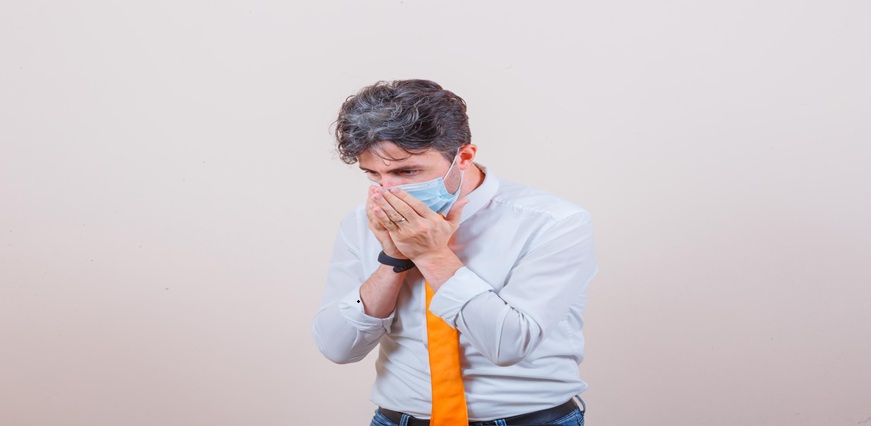
    Chickenpox is a contagious viral infection that causes itchy red spots, fluid-filled blisters, fever, and tiredness. It spreads through coughing, sneezing, or direct contact with the fluid from chickenpox blisters.

    Most people recover completely within one to two weeks. After recovery, the virus remains inactive in the body and may reactivate later in life as shingles.


    What Are the Early Symptoms of Chickenpox?

    Before the rash appears, many people develop mild symptoms that may feel similar to a common viral infection. These early signs usually appear 1–2 days before the rash.

    Common early symptoms include:

    • Fever
    • Headache
    • Feeling tired
    • Body aches
    • Loss of appetite
    • General weakness

    These symptoms are often followed by the typical chickenpox rash.


    What Are the Main Symptoms of Chickenpox?

    The most common symptom of chickenpox is an itchy rash that changes over several days.

    Common chickenpox symptoms include:

    • Red spots on the skin
    • Small fluid-filled blisters
    • Severe itching
    • Fever
    • Fatigue
    • Headache
    • Body pain
    • Loss of appetite

    The rash usually appears on the face, chest, back, and stomach, then spreads to other parts of the body, including the arms, legs, scalp, and sometimes inside the mouth.


    How Does the Chickenpox Rash Develop?

    The rash develops in stages over several days.

    Stage 1 – Red Spots

    Small red spots appear on the skin.

    Stage 2 – Blisters

    The spots become small, fluid-filled blisters.

    Stage 3 – Crusting

    The blisters dry up, form scabs, and gradually heal.

    New blisters may continue to appear for several days, so it is common to see all three stages at the same time.


    What Causes Chickenpox?

    Chickenpox is caused by the Varicella-Zoster Virus (VZV).

    The virus spreads through:

    • Coughing
    • Sneezing
    • Direct contact with blisters
    • Touching contaminated objects (less commonly)

    A person with chickenpox is contagious from about 1–2 days before the rash appears until all blisters have dried and formed crusts.


    Who Is at Higher Risk of Chickenpox?

    Anyone who has not had chickenpox or the vaccine can become infected.

    The risk is higher in:

    • Young children
    • Adults who never had chickenpox
    • Pregnant women
    • Newborn babies
    • People with weakened immune systems
    • Healthcare workers exposed to infected patients

    Vaccination helps reduce the risk of infection.


    When Should You See a Doctor?

    Most cases are mild, but medical attention is important if symptoms become severe.

    Consult a doctor if:

    • Fever lasts for several days
    • Difficulty breathing develops
    • Blisters become very painful or infected
    • The rash spreads to the eyes
    • The person is pregnant
    • The patient has a weak immune system
    • The child becomes unusually sleepy or confused

    Early medical care can help prevent complications.


    How Is Chickenpox Diagnosed?

    Doctors usually diagnose chickenpox by examining the characteristic rash and asking about symptoms.

    In some cases, laboratory tests may be recommended, especially if the diagnosis is unclear or complications are suspected.

    Tests may include:

    • Varicella-Zoster Virus (VZV) Antibody Test
    • PCR Test for Varicella-Zoster Virus
    • Blood Tests (if advised by the doctor)

    The appropriate test depends on your symptoms and medical condition.


    How Is Chickenpox Treated?

    There is no cure that immediately removes the virus, but treatment helps relieve symptoms and prevent complications.

    Your doctor may recommend:

    • Medicines to reduce fever
    • Anti-itch lotions
    • Antiviral medicines (for selected patients)
    • Adequate fluids
    • Rest

    Do not take medicines without medical advice.


    Home Care Tips for Chickenpox

    Proper home care helps the body recover comfortably.

    Simple home care tips:

    • Drink plenty of water
    • Get enough rest
    • Avoid scratching the blisters
    • Keep fingernails short
    • Wear loose cotton clothes
    • Keep the skin clean
    • Eat soft, healthy foods if mouth sores are present

    Scratching may increase the risk of skin infection.


    How Can Chickenpox Be Prevented?

    The best way to prevent chickenpox is vaccination.

    Other preventive measures include:

    • Avoid close contact with infected people
    • Wash hands regularly
    • Cover coughs and sneezes
    • Do not share personal items
    • Stay home until all blisters have crusted over

    Vaccination significantly reduces the risk of severe disease.


    How Long Does Chickenpox Last?

    Most people recover within 7 to 10 days.

    The blisters gradually dry, form scabs, and heal.

    Some mild skin marks may remain temporarily but usually fade with time.

    Recovery may take longer in adults or people with weakened immunity.

    Conclusion

    Chickenpox is a common viral infection that usually begins with fever, tiredness, and headache, followed by an itchy rash with fluid-filled blisters. Most people recover completely within one to two weeks with proper care. However, prompt medical attention is important if symptoms become severe or if the infection occurs during pregnancy or in someone with a weakened immune system.

    Early diagnosis, proper treatment, and preventive measures such as vaccination can help reduce the risk of complications.


    How Max Lab Can Help

    If your doctor recommends testing to confirm Chickenpox (Varicella-Zoster Virus infection) or to evaluate related health concerns, Max Lab offers reliable diagnostic services using advanced laboratory technology and strict quality standards. Depending on your clinical condition, your doctor may advise tests such as the Varicella-Zoster Virus (VZV) Antibody Test, PCR testing, or other blood investigations.

    With easy online test booking, home sample collection (where available), NABL-accredited laboratories, timely reports, and a trusted network of diagnostic centres, Max Lab makes diagnostic testing convenient and dependable. Once your reports are available, consult your doctor for the correct diagnosis and treatment plan.

    Frequently Asked Questions (FAQ's)

    Chickenpox, caused by Varicella, has no specific cure but usually resolves on its own within 1–2 weeks. Treatment focuses on relieving symptoms like itching and fever while preventing complications through proper care and hygiene.

    To prevent chickenpox from spreading, isolate the infected person, avoid close contact, maintain hygiene, and disinfect surfaces. Since it spreads through airborne droplets and direct contact, covering coughs and avoiding sharing personal items is essential.

    You can dry out chickenpox blisters by applying calamine lotion, keeping skin clean and dry, and avoiding scratching. Wearing loose clothing and maintaining hygiene helps speed healing and reduces irritation, preventing further infection or scarring.

    Chickenpox is usually confirmed through clinical diagnosis based on symptoms like fever and characteristic fluid-filled blisters. Doctors rarely need lab tests, as the rash pattern and progression are distinct and easy to identify.

    Chickenpox is generally mild in children but can be serious in adults, pregnant women, and individuals with weak immunity. Complications may include infections or pneumonia, making timely care and monitoring important in high-risk cases.

    Early symptoms of chickenpox in adults include fever, fatigue, headache, and loss of appetite. These are followed by red spots that develop into itchy blisters, often more severe compared to symptoms seen in children.

    Chickenpox typically lasts 7–10 days, starting with fever and progressing to blisters that eventually crust over. Complete healing, including scab falling, may take up to two weeks depending on severity and individual immunity.

    Most people develop lifelong immunity after one infection, making it rare to get chickenpox again. However, in some cases with weakened immunity, reinfection is possible, though usually milder than the first occurrence.

    The first signs of chickenpox include mild fever, fatigue, headache, and loss of appetite. Soon after, small red spots appear, which quickly turn into itchy, fluid-filled blisters spreading across the body.

    Chickenpox blisters appear as small, red spots that turn into fluid-filled, itchy bumps. They may burst, ooze, and eventually form scabs. These blisters typically appear in clusters and spread across the body over time.

    Most chickenpox cases include mild to moderate fever, especially in the early stages. However, the severity can vary, and some individuals may experience very mild or no fever depending on their immunity and overall health.

    Chickenpox during pregnancy can be risky for both mother and baby, potentially leading to complications. Immediate medical consultation is important to manage symptoms and reduce risks through proper monitoring and care.

    To prevent chickenpox scars, avoid scratching blisters, keep nails trimmed, and use soothing lotions like calamine. Maintaining skin hygiene and allowing scabs to heal naturally reduces the chances of permanent marks.

    Yes, chickenpox is airborne and spreads through respiratory droplets when an infected person coughs or sneezes. It can also spread through direct contact with blisters, making it highly contagious, especially in crowded environments.

    Fever, tiredness, headache, body aches, and loss of appetite usually appear before the rash.

    Yes. It spreads very easily through coughing, sneezing, and direct contact with the blisters.

    Yes. Doctors may recommend VZV antibody or other laboratory tests in certain situations.

    Yes. Vaccination is the most effective way to prevent chickenpox.

    Want to book a Blood Test?

    Want to Book a Blood Test

    Frequently Asked Questions (FAQ's)

    Chickenpox, caused by Varicella, has no specific cure but usually resolves on its own within 1–2 weeks. Treatment focuses on relieving symptoms like itching and fever while preventing complications through proper care and hygiene.

    To prevent chickenpox from spreading, isolate the infected person, avoid close contact, maintain hygiene, and disinfect surfaces. Since it spreads through airborne droplets and direct contact, covering coughs and avoiding sharing personal items is essential.

    You can dry out chickenpox blisters by applying calamine lotion, keeping skin clean and dry, and avoiding scratching. Wearing loose clothing and maintaining hygiene helps speed healing and reduces irritation, preventing further infection or scarring.

    Chickenpox is usually confirmed through clinical diagnosis based on symptoms like fever and characteristic fluid-filled blisters. Doctors rarely need lab tests, as the rash pattern and progression are distinct and easy to identify.

    Chickenpox is generally mild in children but can be serious in adults, pregnant women, and individuals with weak immunity. Complications may include infections or pneumonia, making timely care and monitoring important in high-risk cases.

    Early symptoms of chickenpox in adults include fever, fatigue, headache, and loss of appetite. These are followed by red spots that develop into itchy blisters, often more severe compared to symptoms seen in children.

    Chickenpox typically lasts 7–10 days, starting with fever and progressing to blisters that eventually crust over. Complete healing, including scab falling, may take up to two weeks depending on severity and individual immunity.

    Most people develop lifelong immunity after one infection, making it rare to get chickenpox again. However, in some cases with weakened immunity, reinfection is possible, though usually milder than the first occurrence.

    The first signs of chickenpox include mild fever, fatigue, headache, and loss of appetite. Soon after, small red spots appear, which quickly turn into itchy, fluid-filled blisters spreading across the body.

    Chickenpox blisters appear as small, red spots that turn into fluid-filled, itchy bumps. They may burst, ooze, and eventually form scabs. These blisters typically appear in clusters and spread across the body over time.

    Most chickenpox cases include mild to moderate fever, especially in the early stages. However, the severity can vary, and some individuals may experience very mild or no fever depending on their immunity and overall health.

    Chickenpox during pregnancy can be risky for both mother and baby, potentially leading to complications. Immediate medical consultation is important to manage symptoms and reduce risks through proper monitoring and care.

    To prevent chickenpox scars, avoid scratching blisters, keep nails trimmed, and use soothing lotions like calamine. Maintaining skin hygiene and allowing scabs to heal naturally reduces the chances of permanent marks.

    Yes, chickenpox is airborne and spreads through respiratory droplets when an infected person coughs or sneezes. It can also spread through direct contact with blisters, making it highly contagious, especially in crowded environments.

    Fever, tiredness, headache, body aches, and loss of appetite usually appear before the rash.

    Yes. It spreads very easily through coughing, sneezing, and direct contact with the blisters.

    Yes. Doctors may recommend VZV antibody or other laboratory tests in certain situations.

    Yes. Vaccination is the most effective way to prevent chickenpox.

    Comments


    Leave a Comment

    new health articles

    Type 2 Diabetes: Early Signs and Symptoms You Shouldn’t Ignore

    Type 2 Diabetes: Early Signs and Symptoms You Shouldn’t Ignore

    Vitamin C for Skin & Immunity: Benefits, Uses & Sources

    Vitamin C for Skin & Immunity: Benefits, Uses & Sources

    10 Early Signs of Kidney Failure  You Should Never Ignore

    10 Early Signs of Kidney Failure You Should Never Ignore

    International Yoga Day: Benefits of Yoga for Overall Health

    International Yoga Day: Benefits of Yoga for Overall Health

    Drug Test Panels: What Do 5-Panel and 12-Panel Tests Detect?

    Drug Test Panels: What Do 5-Panel and 12-Panel Tests Detect?

    Colon Cancer: Early Signs, Causes & Treatment

    Colon Cancer: Early Signs, Causes & Treatment

    Get a Call Back from our Health Advisor

    LOGIN

    Get access to your orders, lab tests

    OTP will be sent to this number by SMS

    Not Registered Yet? Signup now.

    ENTER OTP

    OTP sent successfully to your mobile number

    Didn't receive OTP? Resend Now

    Welcome to Max Lab

    Enter your details to proceed

    MALE
    FEMALE
    OTHER