





Loader
logo
Shopping Cart Call

Home > Blog > Type 2 Diabetes: Early Signs and Symptoms You Shouldn’t Ignore

Type 2 Diabetes: Early Signs and Symptoms You Shouldn’t Ignore

Type 2 Diabetes: Early Signs and Symptoms You Shouldn’t Ignore

By - Max Lab

Updated on: Jul 06, 2026 | 5 min read

Table of Contents

    Type 2 diabetes is one of the most common chronic health conditions across the world, yet it often progresses silently for a long time. In India, millions of people are living with the condition, and many more remain undiagnosed. What makes this even more concerning is that diabetes often begins quietly with early symptoms so mild and ordinary that people overlook them for months or even years.

    The early signs of diabetes may seem harmless on the surface, but they are the body’s way of sending out warning signals. The sooner these signs are recognised, the easier it becomes to manage the condition, prevent complications, and maintain a healthier life. Here is what you need to know about type 2 diabetes, including its early signs, symptoms, causes and risk factors.

    What is Type 2 Diabetes?

    Type 2 diabetes occurs when the body is unable to use insulin effectively or fails to produce enough of it. This results in elevated blood sugar levels, a condition known as hyperglycemia. It is a lifelong condition that requires ongoing management.

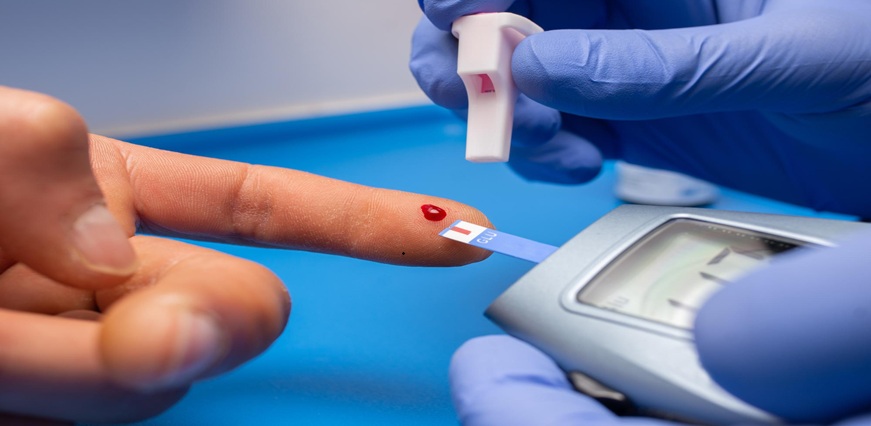
    In healthy individuals, fasting blood sugar levels typically range between 70 and 99 mg/dL. A fasting blood sugar level of 126 mg/dL or higher on more than one occasion may indicate type 2 diabetes. Understanding the type 2 diabetes range for blood sugar levels may help individuals recognise potential warning signs earlier.

    Although type 2 diabetes is more common in adults over 45, it can also affect younger adults, teenagers, and children.

    Why is Early Detection of Diabetes Important?

    An early diagnosis gives patients the opportunity to bring type 2 diabetes blood sugar levels under control before complications develop. With the right treatment plan, healthy lifestyle choices, and consistent monitoring, the risk of diabetes-related health issues can be significantly reduced.

    When left uncontrolled, diabetes may lead to serious complications, including kidney disease, nerve damage, heart disease, and vision impairment.

    Common Early Signs of Type 2 Diabetes

    Frequent Urination

    When blood sugar levels are high, the kidneys work harder to filter excess glucose, leading to more frequent trips to the bathroom.

    Excessive Thirst

    The fluid loss from frequent urination often triggers persistent thirst, one of the more noticeable early symptoms.

    Increased Hunger

    Even after regular meals, a person with diabetes may feel hungry again soon after. This happens because the body’s cells are unable to absorb glucose properly for energy.

    Unexplained Weight Loss

    A sudden drop in weight without any change in diet or physical activity may be an early indicator. When glucose cannot be used for energy, the body begins breaking down muscle and fat instead.

    Fatigue and Weakness

    Since the body struggles to convert glucose into usable energy, persistent tiredness and a general sense of weakness are common early complaints.

    Blurred Vision

    Elevated blood sugar may affect the lens of the eye, leading to episodes of blurred or unclear vision, even in the absence of any eye disease.

    Slow-Healing Wounds

    Cuts and wounds that take unusually long to heal may point to diabetes. The condition affects blood circulation, which in turn slows down the body’s natural healing process.

    Frequent Infections

    A weakened immune response associated with high blood sugar makes the body more prone to infections, particularly skin, urinary tract, and fungal infections.

    Tingling or Numbness in the Hands and Feet

    Prolonged high blood sugar may gradually damage the nerves, leading to tingling or numbness in the extremities.

    Dark Patches on the Skin

    Darkened patches of skin, particularly around the neck, armpits, or groin area, may be a visible sign of insulin resistance, a key symptom of type 2 diabetes. Some type 2 diabetes symptoms in women may also include irregular menstrual cycles and hormonal imbalances that are often overlooked.

    Type 2 Diabetes Causes

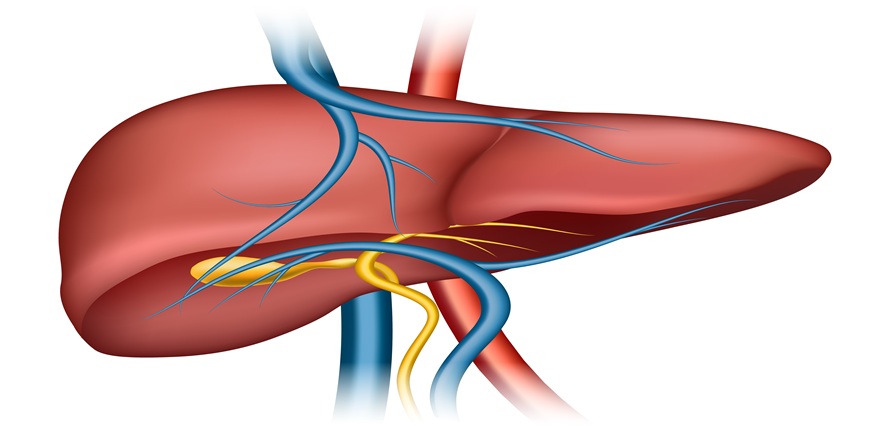
    The primary cause of type 2 diabetes is insulin resistance. This occurs when certain cells in the body stop responding properly to insulin - a hormone produced by the pancreas to keep glucose levels within a healthy range.

    When cells become resistant to insulin, the pancreas is forced to produce more of it to compensate for rising glucose levels. Over time, if the cells become too resistant, the pancreas may no longer keep up with the demand, and this is when type 2 diabetes develops.

    Several type 2 diabetes risk factors can increase the likelihood of developing insulin resistance, including:

    • Genetic predisposition
    • Excess body fat, particularly around the belly and internal organs (visceral fat)
    • A sedentary lifestyle with limited physical activity
    • Frequent consumption of highly processed, high-carbohydrate foods and saturated fats
    • Hormonal disorders, including an underactive thyroid and Cushing syndrome
    • Chronic stress combined with poor-quality sleep

    Diabetes is a serious condition that calls for timely diagnosis and consistent management. Anyone who notices these symptoms should consult a healthcare professional without delay. Early detection and timely intervention can help manage the condition effectively, reduce the risk of complications, and support a healthier, more active life.

    Frequently Asked Questions (FAQ's)

    There is currently no cure for type 2 diabetes, but the condition can be effectively managed through a combination of healthy lifestyle habits, regular monitoring, and proper medical care.

    Type 2 diabetes causes are primarily linked to insulin resistance. As resistance increases, the pancreas works harder to produce more insulin to manage rising glucose levels. Eventually, if the cells remain too resistant and the pancreas cannot keep pace, type 2 diabetes sets in.

    Symptoms of type 2 diabetes often develop gradually, and many people live with the condition for years without realising it. When symptoms do appear, they may include increased thirst, more frequent urination, heightened hunger, unexplained weight loss, persistent tiredness, and blurred vision.

    Certain lifestyle changes can help reduce the risk of developing type 2 diabetes and maintain healthy blood sugar levels. While some type 2 diabetes risk factors, like age and genetics, cannot be changed, others, such as activity, weight, and diet, can be managed through regular physical activity, maintaining a healthy weight, and following a balanced diet.

    Some foods that should be best avoided include sugar and artificial sweeteners, trans fats, processed foods, sweets and sugary beverages, high-fat meats, simple carbohydrates, full-fat dairy products, and alcohol.

    In some individuals, type 2 diabetes may go into remission through sustained lifestyle changes, including diet improvement, weight management, and physical activity. However, outcomes vary from person to person, and ongoing medical supervision remains important.

    Yes, can influence the risk of developing diabetes, which makes it important to understand one’s family history. While both type 1 and type 2 diabetes can run in families, the development of the condition is also strongly influenced by lifestyle and environmental factors such as physical inactivity, unhealthy dietary habits, excess body weight, and age.

    Want to book a Blood Test?

    Frequently Asked Questions (FAQ's)

    There is currently no cure for type 2 diabetes, but the condition can be effectively managed through a combination of healthy lifestyle habits, regular monitoring, and proper medical care.

    Type 2 diabetes causes are primarily linked to insulin resistance. As resistance increases, the pancreas works harder to produce more insulin to manage rising glucose levels. Eventually, if the cells remain too resistant and the pancreas cannot keep pace, type 2 diabetes sets in.

    Symptoms of type 2 diabetes often develop gradually, and many people live with the condition for years without realising it. When symptoms do appear, they may include increased thirst, more frequent urination, heightened hunger, unexplained weight loss, persistent tiredness, and blurred vision.

    Certain lifestyle changes can help reduce the risk of developing type 2 diabetes and maintain healthy blood sugar levels. While some type 2 diabetes risk factors, like age and genetics, cannot be changed, others, such as activity, weight, and diet, can be managed through regular physical activity, maintaining a healthy weight, and following a balanced diet.

    Some foods that should be best avoided include sugar and artificial sweeteners, trans fats, processed foods, sweets and sugary beverages, high-fat meats, simple carbohydrates, full-fat dairy products, and alcohol.

    In some individuals, type 2 diabetes may go into remission through sustained lifestyle changes, including diet improvement, weight management, and physical activity. However, outcomes vary from person to person, and ongoing medical supervision remains important.

    Yes, can influence the risk of developing diabetes, which makes it important to understand one’s family history. While both type 1 and type 2 diabetes can run in families, the development of the condition is also strongly influenced by lifestyle and environmental factors such as physical inactivity, unhealthy dietary habits, excess body weight, and age.

    Comments


    Leave a Comment

    new health articles

    Vitamin C for Skin & Immunity: Benefits, Uses & Sources

    Vitamin C for Skin & Immunity: Benefits, Uses & Sources

    10 Early Signs of Kidney Failure  You Should Never Ignore

    10 Early Signs of Kidney Failure You Should Never Ignore

    International Yoga Day: Benefits of Yoga for Overall Health

    International Yoga Day: Benefits of Yoga for Overall Health

    Drug Test Panels: What Do 5-Panel and 12-Panel Tests Detect?

    Drug Test Panels: What Do 5-Panel and 12-Panel Tests Detect?

    Colon Cancer: Early Signs, Causes & Treatment

    Colon Cancer: Early Signs, Causes & Treatment

    World Hypertension Day: Theme, Facts, History & Awareness

    World Hypertension Day: Theme, Facts, History & Awareness

    Get a Call Back from our Health Advisor

    LOGIN

    Get access to your orders, lab tests

    OTP will be sent to this number by SMS

    Not Registered Yet? Signup now.

    ENTER OTP

    OTP sent successfully to your mobile number

    Didn't receive OTP? Resend Now

    Welcome to Max Lab

    Enter your details to proceed

    MALE
    FEMALE
    OTHER