






Drug testing has become an essential part of workplace safety, pre-employment screening, sports compliance, rehabilitation programs, and legal investigations. Among the most commonly used screening methods are the 5 panel urine drug test and the 12 panel drug test. These tests help detect the presence of different substances in the body and are widely used because they are quick, reliable, and cost-effective.
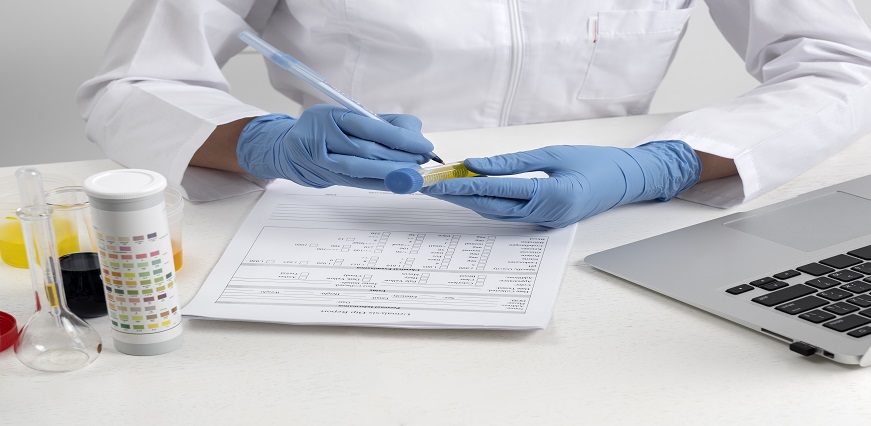
An urine drug screen works by identifying traces of drugs or their metabolites in urine samples. Depending on the type of test selected, the number of substances detected can vary significantly. While a 5-panel test focuses on the most commonly abused drugs, a 12-panel urine drug test offers a broader analysis by screening additional prescription and illicit substances. Understanding the difference between these tests can help individuals and organizations choose the right screening option.
What Is a Drug Test Panel?
A drug test panel refers to the number of substances included in a drug screening test. For example, a 5-panel test checks for five categories of drugs, while a 12-panel test screens for twelve categories. These panels are commonly used in hospitals, workplaces, rehabilitation centers, schools, and law enforcement agencies.
The most popular testing method is the urine drug screen panel, as urine samples are easy to collect and provide accurate results for recent drug use.
Drug testing is commonly used for:
- Pre-employment screening
- Workplace safety programs
- Random employee testing
- Sports and athletic compliance
- Rehabilitation monitoring
- Legal and forensic investigations
What Is a 5 Panel Urine Drug Test?
A 5 panel urine drug test is one of the most commonly used drug screening methods. It is designed to detect five major categories of drugs that are frequently abused.
The substances typically detected include:
Marijuana (THC)
THC is the active component in cannabis. It can remain detectable in urine for several days or even weeks depending on usage frequency.
Cocaine
This stimulant drug is commonly tested because of its addictive nature and health risks.
Opiates
This category includes drugs such as heroin, morphine, and codeine.
Amphetamines
These include methamphetamine and prescription stimulants used for ADHD.
PCP (Phencyclidine)
PCP is a hallucinogenic drug that can alter perception and behavior.
A 5 panel drug test substances screening is often used by employers because it focuses on the most commonly abused illegal drugs.
What Is a 12 Panel Drug Test?
A 12 panel drug test offers a more comprehensive analysis than the 5-panel test. It includes all substances detected in the 5-panel test while also screening for additional prescription medications and controlled substances.
Apart from the basic five drugs, a 12 panel urine drug test may also detect:
- Benzodiazepines
- Barbiturates
- Methadone
- Oxycodone
- Propoxyphene
- MDMA (Ecstasy)
- Tricyclic antidepressants
The exact list may vary depending on the testing laboratory and purpose of screening.
This type of urine drug screen panel is commonly used in rehabilitation centers, hospitals, and industries where safety is critical.
Difference Between 5-Panel and 12-Panel Drug Tests
The main difference between these tests lies in the number of substances they detect.
A 5-panel test is ideal for standard workplace screening and basic drug detection. It is simple, affordable, and widely accepted.
On the other hand, a 12-panel test provides broader screening and is suitable for detecting prescription medication misuse in addition to illegal drugs.
Key differences include:
- Number of substances tested
- Cost of screening
- Level of detailed analysis
- Purpose of testing
- Detection of prescription medications
Organizations often choose a 12 panel drug test when a more detailed assessment is needed.
How Does a Urine Drug Screen Work?
A urine drug screen detects drugs by identifying metabolites left behind after the body processes substances. The process generally includes:
Sample Collection
The individual provides a urine sample in a secure and monitored setting.
Laboratory Analysis
The sample is tested using immunoassay screening methods. Positive samples may undergo confirmatory testing.
Result Interpretation
Results are classified as negative, positive, or inconclusive.
The entire urine drug test procedure is designed to ensure accuracy and prevent tampering.
Factors Affecting Drug Detection Times
The 5 panel urine drug test detection times and 12-panel test detection windows depend on several factors, including:
Frequency of Drug Use
Regular users may test positive for longer periods.
Body Metabolism
People with faster metabolism may eliminate substances more quickly.
Type of Drug
Different drugs stay in the body for varying durations.
Hydration Levels
Fluid intake can influence urine concentration.
Overall Health
Kidney and liver function affect how drugs are processed.
Detection times can range from a few hours to several weeks depending on the substance.
Common Uses of 12 Panel Drug Test Substances Screening
A 12 panel drug test substances screening is commonly used in situations requiring detailed monitoring.
Workplace Safety
Industries such as transportation, construction, and healthcare use comprehensive testing to ensure employee safety.
Rehabilitation Programs
Rehab centers monitor patient progress and prevent relapse.
Medical Evaluations
Doctors may use testing before prescribing certain medications.
Legal Requirements
Courts may require drug testing in custody disputes or probation monitoring.
Because of its wider detection capability, the 12 panel urine drug test is considered highly effective for detailed substance screening.
Advantages of Urine Drug Screening
Urine-based testing remains one of the most preferred methods due to several benefits.
Non-Invasive Process
The collection process is simple and convenient.
Cost-Effective
Compared to blood testing, urine testing is more affordable.
Quick Results
Many results are available within a short time.
Reliable Detection
A urine drug screen panel can effectively identify recent substance use.
Widely Accepted
Urine testing is recognized across workplaces, hospitals, and legal systems.
Can Drug Tests Produce False Positives?
In some cases, certain medications or foods may affect test results. Over-the-counter medicines, prescription drugs, and even poppy seeds can occasionally trigger false positives.
To ensure accuracy, laboratories often conduct confirmatory testing using advanced methods such as gas chromatography-mass spectrometry (GC-MS).
Individuals should always inform healthcare providers or employers about prescribed medications before undergoing a urine drug screen.
Preparing for a Urine Drug Test
If you are scheduled for a urine drug test procedure, following these guidelines may help:
- Carry valid identification
- Avoid consuming unprescribed substances
- Inform staff about medications you are taking
- Follow sample collection instructions carefully
- Stay hydrated but avoid excessive water intake
Proper preparation ensures a smooth and accurate testing experience.
Conclusion
Drug screening plays a vital role in maintaining workplace safety, medical compliance, and public health. A 5 panel urine drug test is suitable for basic drug screening and commonly detects the most abused illegal substances. In contrast, a 12 panel drug test offers more extensive analysis by identifying additional prescription and synthetic drugs. Both tests are valuable depending on the purpose of screening. Whether for employment, rehabilitation, or medical evaluations, choosing the right urine drug screen panel helps ensure reliable and accurate results. Understanding the differences between these tests can help individuals and organizations make informed decisions about substance screening and detection.














 To reach our help desk call 7982100200
.png)