









Understanding the definition of electrolyte imbalance and its impact on health is essential because electrolytes help regulate many body functions. When the delicate balance of minerals such as sodium, potassium, calcium, magnesium and chloride shifts, it can lead to serious symptoms and complications. This comprehensive guide explains what electrolyte imbalance means, its causes, electrolyte disturbance symptoms, how your body is affected when your electrolytes are low, the types of imbalances, and available treatment options.
Electrolyte Imbalance Meaning
The electrolyte imbalance meaning implies a condition in which the concentrations of electrolytes in your blood become either too high or too low. Electrolytes are minerals including sodium, potassium, calcium, magnesium, chloride, phosphate and bicarbonate, that carry an electric charge when dissolved in body fluids such as blood, urine and tissue fluid. These minerals are essential for maintaining fluid balance, muscle function, nerve conduction and the body’s acid–base level. An imbalance affects one or more of these roles and can indicate underlying health problems.
What is an electrolyte imbalance? It is not a disease in itself but a result of changes in fluid balance or diseases that alter normal mineral levels.
Electrolyte Imbalance Symptoms: What to Look for?
The electrolyte disturbance symptoms vary widely depending on which mineral is out of balance and whether levels are too high (hyper-) or too low (hypo-). Some people may not notice mild changes, but more significant imbalances produce clear warning signs.
Common Electrolyte Imbalance Symptoms
- Muscle cramps or spasms
- Weakness or fatigue
- Headaches
- Numbness or tingling in limbs
- Confusion and irritability
- Irregular heartbeat (arrhythmia)
- Nausea or vomiting
- Excessive thirst or dry mouth
- Seizures in severe cases
Even mild imbalances can affect mood and energy levels. The symptoms described above represent a range of electrolytes signs and symptoms of imbalances, so it’s important not to ignore changes that persist or worsen.
What Causes Electrolyte Imbalance?
Understanding the cause of electrolytes imbalance helps to prevent it and address the root trigger. Electrolyte levels can shift in response to fluid changes, medical conditions, medications or lifestyle factors.
Major Causes Include:
- Dehydration: Due to sweating, prolonged diarrhoea or vomiting that causes loss of fluids and electrolytes.
- Kidney Disease: Your kidneys play a central role in balancing electrolytes; dysfunction can cause significant imbalances.
- Medications: Diuretics, chemotherapy drugs, laxatives and corticosteroids can affect levels.
- Poor Diet or Malnutrition: Insufficient intake of electrolyte-rich foods like fruits, vegetables and dairy.
- Medical Conditions: Conditions such as heart failure, liver disease, burns and endocrine disorders can disrupt electrolyte balance.
- Overhydration: Drinking excessive water without adequate electrolytes dilutes levels and leads to imbalances.
These causes form the basis of what causes electrolyte imbalance and help clinicians identify risks and correct them.
Types of Electrolyte Imbalance
There are many types of electrolyte imbalance, each named for the electrolyte and whether its levels are too high or too low.
Examples Include:
- Hyponatraemia / Hypernatremia: Low or high sodium
- Hypokalemia / Hyperkalemia: Low or high potassium
- Hypocalcemia / Hypercalcemia: Imbalance of calcium
- Hypomagnesemia / Hypermagnesemia: Magnesium trouble
- Hypophosphatemia / Hyperphosphatemia: Phosphate imbalance
- Acidosis / Alkalosis: Imbalance of bicarbonate affecting pH levels
Each type can produce distinct symptoms and complications and requires specific treatment.
Diseases That Cause Electrolyte Imbalance
Certain illnesses are frequent contributors to electrolyte imbalance:
- Kidney disorders impair electrolyte filtering and excretion
- Heart failure affects fluid balance
- Liver disease alters metabolism
- Endocrine conditions like Addison’s disease
- Diabetes can impact sodium and potassium levels
These conditions are examples of diseases that cause electrolyte imbalance, and managing the underlying illness is central to restoring balance.
Electrolyte Imbalance Complications
If left untreated, electrolyte disturbances can lead to serious and even life-threatening issues.
Possible Complications
- Arrhythmias (irregular heartbeat)
- Seizures or coma
- Muscle paralysis or tetany
- Respiratory failure in extreme cases
- Heart attack risk
- Kidney dysfunction worsening over time
These risks highlight the importance of catching and treating imbalances early.
Low Electrolytes Symptoms (Signs to Watch for)
When your body has symptoms of low electrolytes, they often relate to specific mineral deficiencies:
- Low sodium (hyponatraemia): Confusion, headaches, seizures
- Low potassium (hypokalemia): Muscle cramps, heart rhythm abnormalities
- Low magnesium: Muscle twitching and weakness
- Low calcium: Numbness, cramps and tetany
If you experience these symptoms persistently, prompt medical evaluation is advised.
Diagnosis: How Is Electrolyte Imbalance Detected?
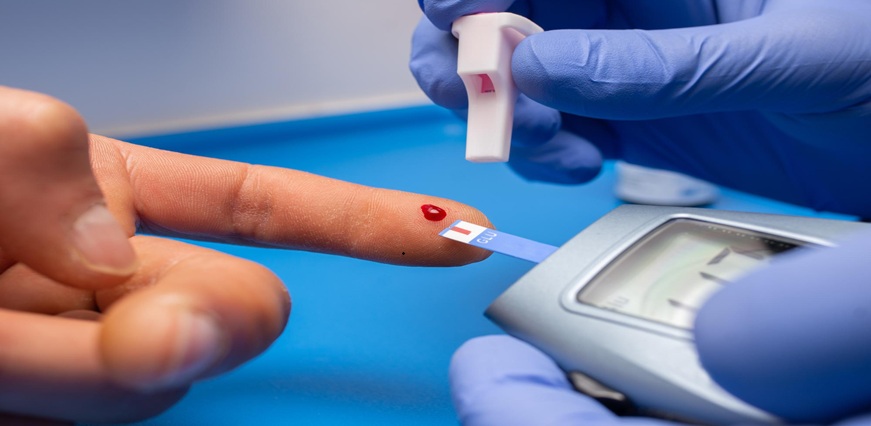
Healthcare providers diagnose imbalances through blood tests. An electrolyte panel (part of a basic metabolic panel) measures levels of sodium, potassium, chloride, bicarbonate and other substances. Additional tests may be ordered to determine underlying causes, such as kidney function tests or an ECG if heart rhythm disturbances are suspected.
Treatment Options: Restoring Balance Safely
Treatment depends on which electrolyte is out of range and the underlying cause. Physicians tailor therapy to each individual case.
General Approaches Include:
- Oral rehydration therapy (ORS): For mild dehydration and electrolyte loss
- IV fluids or electrolyte replacement: Especially in severe cases
- Medications/supplements: To correct specific deficiencies
- Dialysis: When imbalances are from kidney failure
- Lifestyle adjustments: Including diet and fluid intake improvements
Supportive care may also involve treating the underlying disease to prevent future imbalances.
Electrolyte Imbalance Home Remedy and Prevention
While severe imbalances require medical care, some simple electrolyte imbalance home remedies and prevention tips can help maintain balance:
Tips for Prevention
- Drink fluids and electrolyte-rich drinks if you’re dehydrated
- Eat a balanced diet with fruits, vegetables, dairy and lean proteins
- Avoid overhydration without electrolytes
- Monitor fluid and electrolyte intake during hot weather or intense exercise
Home remedies are useful for mild cases, but persistent symptoms should always prompt medical consultation.
Electrolytes are essential minerals that keep your body functioning smoothly. When their balance is disrupted, the condition known as electrolyte imbalance can produce a range of electrolyte disturbance symptoms, from mild fatigue and muscle cramps to life-threatening complications. Multiple factors, including dehydration, disease, medications and poor diet, contribute to this imbalance. Early detection, appropriate treatment and prevention strategies help maintain optimal electrolyte levels and protect your health. If you experience ongoing symptoms or suspect an imbalance, seek professional medical advice.


















 To reach our help desk call 7982100200
.png)
Comments