






High blood pressure, or hypertension, is often called a “silent killer” - and for good reason. It rarely shows symptoms but significantly increases the risk of heart disease, stroke, and kidney failure. Globally, an estimated 1.4 billion people are living with hypertension. What’s even more concerning is that a large number of them remain unaware of their condition. This is why raising awareness of hypertension has become more important than ever.
Observed annually, World Hypertension Day is dedicated to educating people about the prevention, early detection, and effective management of hypertension.
What is World Hypertension Day?
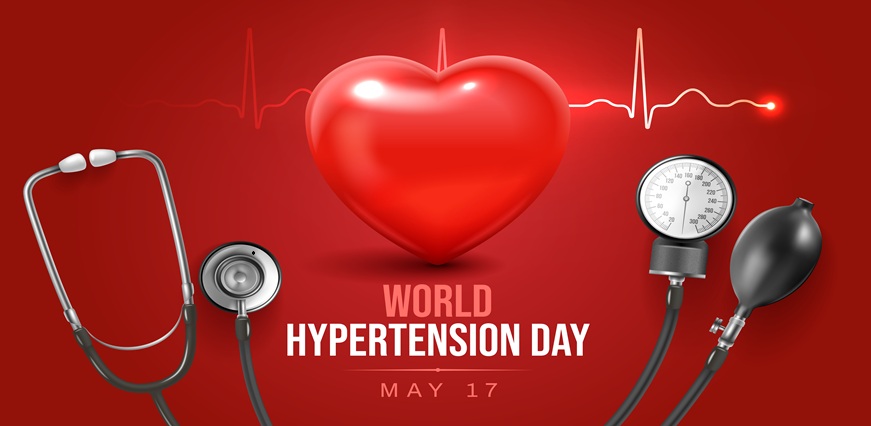
World Hypertension Day is celebrated on May 17 every year to spread awareness about high blood pressure and its serious health implications. It was initiated by the World Hypertension League (WHL), a global organisation dedicated to preventing and controlling hypertension.
The main aim is to:
- Encourage regular blood pressure monitoring
- Educate people about the risk factors of hypertension
- Promote healthy habits such as balanced diets, reduced salt intake, regular exercise, and stress management.
- Improve early detection and access to treatment.
World Hypertension Day 2026 Theme
Each year, World Hypertension Day is celebrated with a specific theme to highlight the key aspects of awareness. The official World Hypertension Day theme for 2026 is “Controlling Hypertension Together!” Promoted by the World Hypertension League (WHL), it emphasises collective action by individuals, families, healthcare providers, and policymakers to prevent, detect, and manage high blood pressure. In the years leading up to 2026, the WHL focused on a consistent message (2021 to 2025): “Measure Your Blood Pressure Accurately, Control It, Live Longer.” This highlighted the importance of accurate monitoring and timely intervention.
History of World Hypertension Day
World Hypertension Day was first established in 2005 by the World Hypertension League, an organisation representing 85 national hypertension societies. By 2006, it had become an annual event, with growing participation from countries worldwide.
The primary objective of this day is to raise awareness of hypertension, improve early detection, and promote its prevention and control, especially in regions with limited access to healthcare.
What is Hypertension?
Hypertension, commonly known as high blood pressure, is a condition in which the force of blood against the artery walls remains consistently high. Blood pressure is measured using two values: systolic pressure (when the heart beats) and diastolic pressure (when the heart rests between beats). A normal blood pressure reading is typically around 120/80 mmHg. Consistently higher readings may indicate hypertension. Since hypertension often presents no noticeable symptoms, regular monitoring remains the most reliable way to detect it early and prevent complications.
Key Facts About Hypertension
Here are the key hypertension facts you should know on World Hypertension Day:
- In 2024, an estimated 1.4 billion adults aged 30 to 79 worldwide were living with hypertension, accounting for nearly 33% of this age group.
- Around 600 million adults (44%) with hypertension are unaware that they have the condition.
- Hypertension is a leading cause of premature death globally.
- While there is no permanent cure, hypertension can be effectively prevented and managed with the right lifestyle changes and medical care.
- It affects both men and women equally, making it a universal health concern.
- Hypertension is not limited to older adults – young people are also at risk, with nearly 1 in 4 adults aged 20 to 44 experiencing high blood pressure.
These facts highlight the importance of World Hypertension Day for raising awareness and encouraging early detection.
Risk Factors for Hypertension
Many factors can increase the risk of an individual developing hypertension. Some are lifestyle-related and preventable, while others are beyond your control.
- Unhealthy Diet: A diet high in salt, processed foods, and unhealthy fats can significantly raise blood pressure levels.
- Physical Inactivity: A sedentary lifestyle contributes to weight gain and weakens heart health, increasing the risk of hypertension.
- Stress: Chronic stress can lead to temporary spikes in blood pressure and unhealthy coping habits like overeating or smoking.
- Obesity: Excess body weight puts additional strain on the heart and blood vessels.
- Smoking and Alcohol Consumption: Both can damage blood vessels and elevate blood pressure over time.
- Family History: Genetics can make some individuals more prone to hypertension.
- Age: The risk of high blood pressure increases as you grow older.
- Underlying Health Conditions: Conditions like diabetes, kidney disease, and thyroid disorders can contribute to hypertension.
How to Prevent and Control Hypertension
The good news is that hypertension can often be prevented and effectively managed with simple, consistent lifestyle changes.
- Follow a Healthy Diet
The DASH (Dietary Approaches to Stop Hypertension) diet is consistently ranked among the best eating plans for improving heart health and managing blood pressure.
It emphasises:
- Fruits and vegetables
- Whole grains
- Lean proteins, such as poultry, fish, beans, and nuts
- Low-fat or fat-free dairy
- Reduced sodium intake to lower and control blood pressure
- Limited processed and sugary foods
- Stay Physically Active
Engage in at least 30 minutes of moderate exercise, such as walking, cycling, or yoga, most days of the week.
- Maintain a Healthy Weight
Even a small reduction in weight can significantly lower blood pressure levels.
- Manage Stress
Incorporate stress-relief techniques like meditation, deep breathing, or spending time on hobbies.
- Limit Alcohol and Quit Smoking
Reducing alcohol intake and avoiding tobacco can greatly improve heart health.
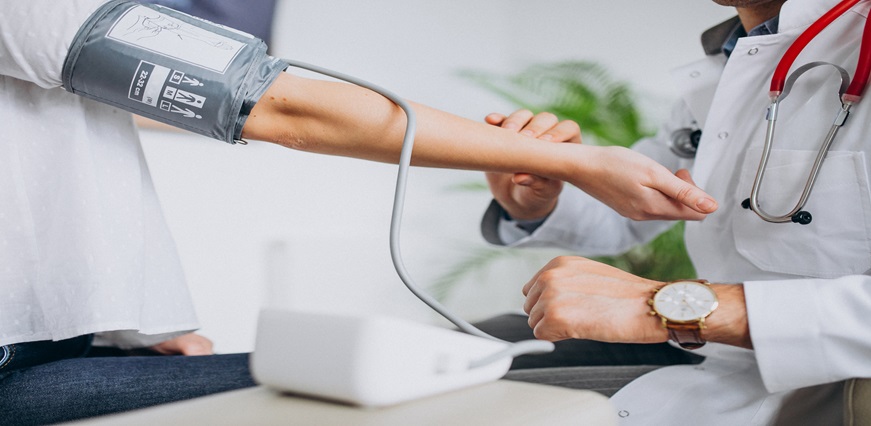
- Monitor Your Blood Pressure Regularly
Regular checks help detect any changes early and allow timely intervention.
- Take Medications if Prescribed
If advised by a doctor, follow your medication routine consistently for effective blood pressure control.
How You Can Participate in World Hypertension Day
You don’t need to be a healthcare professional to participate in World Hypertension Day. Even small actions can make a meaningful difference for your own health as well as those around you.
Here are some simple ways to get involved:
- Attend a local screening camp or wellness event in your area to check your blood pressure
- Schedule a routine health check-up and consult your doctor if needed
- Encourage friends and family to get their blood pressure tested regularly
- Share reliable information about hypertension on social media to spread awareness
- Take part in community initiatives or activities on World Hypertension Day, such as health walks or awareness drives.
Conclusion: Take Charge of Your Heart Health
World Hypertension Day is not just a calendar event, but an annual reminder to pause and prioritise your cardiovascular health. It highlights the importance of awareness, timely diagnosis, and consistent lifestyle changes in preventing and managing hypertension.
So, this May 17th, let’s take a step toward better health by committing to measure accurately, manage effectively, and live longer, healthier lives.







 To reach our help desk call 7982100200
.png)