










Introduction
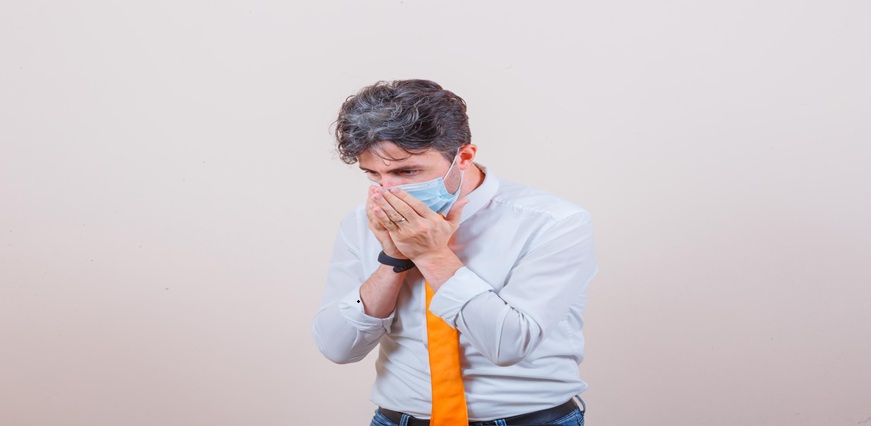
Viral fever is one of the most common health problems, especially during seasonal changes such as monsoon and winter. It can affect people of all ages, including children, adults, and older adults. In most cases, viral fever improves within a few days with proper rest and care. However, if the fever lasts longer or becomes severe, it may require medical attention and diagnostic tests.
Many people search online for questions like What is viral fever? What are the symptoms of viral fever? How long does viral fever last? What should I eat during viral fever? Do I need a blood test? This guide answers these common questions in simple, easy-to-understand language.
What is Viral Fever
Viral fever is a fever caused by a viral infection. When a virus enters the body, the immune system works to fight the infection. As part of this natural defense process, the body's temperature rises, resulting in fever.
Viral fever is not a single disease. It can be caused by many different viruses. Some people experience only a mild fever, while others may develop high fever, body pain, weakness, sore throat, or cough.
In most cases, viral fever lasts 3 to 7 days. However, if the fever continues for several days or is accompanied by severe symptoms, medical evaluation is important to identify the underlying cause.
Common Symptoms of Viral Fever
The symptoms of viral fever can vary from person to person. Some people may only have fever, while others may experience multiple symptoms. Recognizing these signs early can help you seek timely medical care if needed.
- High Fever
A sudden rise in body temperature is the most common symptom. The fever may range from 101°F to 103°F or even higher in some cases. - Body Pain
Muscle and joint pain are common during viral fever. Many people experience pain in the arms, legs, back, and shoulders. - Headache
A persistent headache often occurs due to fever and the body's response to the viral infection. - Weakness and Fatigue
Viral infections can make you feel tired and weak, even after getting enough rest. - Sore Throat
Some viruses affect the throat, causing pain, irritation, and difficulty swallowing. - Cough and Cold
A runny nose, sneezing, nasal congestion, and cough commonly accompany viral fever. - Chills and Shivering
Many people experience chills or shivering before or during a fever. - Loss of Appetite
It is common to feel less hungry while your body is fighting an infection. - Eye Pain
Some people may notice pain, heaviness, or discomfort in their eyes. - Sweating
Excessive sweating often occurs when the fever starts coming down.
What Causes Viral Fever
Viral fever develops when harmful viruses enter the body and multiply. The immune system responds by increasing body temperature to help fight the infection. Viral fever can spread easily, especially in crowded places and during seasonal outbreaks.
- Contact with an Infected Person
Close contact with someone who has a viral infection increases the risk of catching the virus. - Coughing and Sneezing
Viruses spread through tiny droplets released into the air when an infected person coughs or sneezes. - Touching Contaminated Surfaces
Viruses can survive for some time on frequently touched objects such as mobile phones, door handles, tables, and keyboards. Touching these surfaces and then touching your eyes, nose, or mouth may lead to infection. - Seasonal Changes
Viral infections become more common during the rainy season, winter, and sudden weather changes. - Weak Immune System
People with low immunity are more likely to develop viral infections and may take longer to recover. - Crowded Places
Schools, offices, public transport, shopping malls, and other crowded places increase the risk of viral transmission.
How Does Viral Fever Spread
Viral fever spreads easily from one person to another. Following good hygiene practices and avoiding close contact with infected individuals can significantly reduce the risk of infection. Viral fever can spread through:
- Coughing and sneezing
- Close contact with an infected person
- Shaking hands with someone who is infected
- Touching contaminated surfaces and then touching your face
- Sharing personal items such as towels, utensils, or water bottles
- In some cases, contaminated food or water may also spread certain viral infections.
How Long Does Viral Fever Last
Most people recover from viral fever within 3 to 7 days. However, recovery depends on several factors, including the type of virus, age, overall health, and immune system strength.
If your fever:
- Lasts for more than 5–7 days
- Returns after improving
- Is higher than 103°F
- Is associated with breathing difficulty
- Causes persistent vomiting
- Leads to confusion or severe weakness
You should consult a doctor immediately. A prolonged fever may indicate another illness such as dengue, malaria, typhoid, or a bacterial infection, which may require blood tests for accurate diagnosis.
What Are the Home Remedies for Viral Fever
Home remedies can help reduce discomfort and support recovery from mild viral fever. However, they should never replace medical treatment if symptoms are severe or persistent.
1. Drink Plenty of Fluids
Keeping your body hydrated is one of the easiest and most effective ways to support recovery. Fluids help prevent dehydration and maintain normal body functions.
2. Drink Warm Fluids
Warm water, herbal tea, or clear soups may help soothe a sore throat and provide comfort during illness.
3. Eat Light and Easily Digestible Foods
Choose foods that are gentle on your stomach and provide essential nutrients.
Good options include:
- Khichdi
- Porridge
- Vegetable soup
- Dal
- Boiled vegetables
- Rice
- Bananas
- Apples
4. Get Enough Sleep
Sleep allows your body to repair itself and strengthens your immune system, helping you recover faster.
5. Wear Comfortable Clothing
Light, breathable clothing helps regulate body temperature and improves comfort during fever.
Note: If you experience high fever, breathing difficulty, severe dehydration, confusion, repeated vomiting, or seizures, seek immediate medical attention instead of relying only on home remedies.
What to Eat During Viral Fever
Eating the right foods during viral fever helps your body recover faster. A balanced diet supports your immune system, improves energy levels, and prevents dehydration.
-
Fresh Fruits
Fruits such as apples, bananas, oranges, papaya, and pomegranate provide vitamins, minerals, and antioxidants that support recovery.
-
Green Vegetables
Spinach, bottle gourd, carrots, pumpkin, and other vegetables supply important nutrients that help maintain overall health.
-
Protein-Rich Foods
Protein supports tissue repair and strengthens immunity. Examples include: Lentils (Dal), Eggs, Paneer, Fish, Chicken (if recommended by your doctor)
- Soups
Vegetable soup, lentil soup, and chicken soup help maintain hydration while providing essential nutrients.
-
Coconut Water
Coconut water is a natural source of electrolytes and helps replace fluids lost due to fever.
-
Yogurt
If you do not have throat irritation and your doctor has not advised against it, plain yogurt may be included as part of a balanced diet.
Foods to Avoid During Viral Fever
Certain foods may slow recovery or worsen digestive discomfort. Choosing light, healthy meals is generally a better option.
-
Fried Foods
Deep-fried foods are difficult to digest and may increase stomach discomfort.
- Spicy Foods
Very spicy meals can irritate the stomach and throat, especially if you already have nausea or sore throat.
-
Junk Food
Burgers, pizza, chips, processed snacks, and fast food provide very little nutritional value during illness.
- Sugary Drinks
Soft drinks and beverages with excessive sugar may not provide the hydration your body needs.
-
Alcohol
Alcohol increases the risk of dehydration and may interfere with your recovery.
Viral Fever in Children
Children commonly develop viral fever because their immune systems are still developing. Most children recover completely with proper care, but they should be closely monitored for warning signs. Common symptoms are:
- High fever
- Poor appetite
- Excessive crying
- Weakness
- Cough and cold
- Vomiting
- Irritability
- Sleepiness
How to Care for a Child with Viral Fever
- Encourage plenty of fluids.
- Offer small, nutritious meals.
- Give medicines only as prescribed by a doctor.
- Ensure the child gets adequate rest.
- Monitor the temperature regularly.
Seek medical attention immediately if the child has difficulty breathing, repeated vomiting, seizures, becomes unusually sleepy, or refuses to drink fluids.
Viral Fever in Adults
Adults may develop viral fever due to seasonal infections, workplace exposure, travel, or close contact with infected individuals. Although most adults recover within a week, people with chronic illnesses may need closer monitoring. Common symptoms are:
- Fever
- Body aches
- Headache
- Sore throat
- Cough
- Fatigue
- Chills
- Loss of appetite
Adults should seek medical advice if symptoms worsen or continue beyond 5–7 days.
Viral Fever During Pregnancy
Pregnant women should be extra cautious if they develop viral fever. Although many viral infections are mild, fever during pregnancy should always be evaluated by a healthcare professional to ensure the well-being of both the mother and the baby.
What Should Pregnant Women Do
- Drink plenty of fluids.
- Get adequate rest.
- Eat nutritious meals.
- Monitor body temperature.
- Take medicines only as prescribed by a doctor.
- Seek medical advice promptly if the fever is high or persistent.
Self-medication during pregnancy should always be avoided.
When Can Viral Fever Become Serious
Most cases of viral fever resolve without complications. However, certain symptoms may indicate a more serious infection or another underlying condition that requires immediate medical evaluation. Consult a doctor immediately if you experience:
- Fever above 103°F (39.4°C)
- Fever lasting longer than 5–7 days
- Difficulty breathing
- Persistent vomiting
- Severe dehydration
- Confusion or drowsiness
- Skin rash
- Severe weakness
- Chest pain
- Seizures
- Reduced urine output
These symptoms may require blood tests or additional investigations to identify conditions such as dengue, malaria, typhoid, or other infections.
Diagnosis of Viral Fever
The symptoms of viral fever can be similar to those of dengue, malaria, typhoid, influenza, or other infections. That is why it is important to identify the actual cause of the fever, especially if it lasts for several days or is associated with severe symptoms. A timely diagnosis helps doctors recommend the right treatment and prevents unnecessary complications.
Doctors usually begin by asking about your symptoms, medical history, recent travel, and possible exposure to infections. They may also perform a physical examination and recommend blood tests if required.
Blood Tests Recommended for Viral Fever
Not every person with viral fever needs a blood test. However, if the fever lasts for more than 2–3 days, becomes severe, or the doctor suspects another infection, laboratory tests may be recommended.
1. Complete Blood Count (CBC)
A CBC test is one of the most commonly recommended tests for fever. It measures red blood cells (RBCs), white blood cells (WBCs), hemoglobin, and platelets. It helps doctors understand whether the infection may be viral, bacterial, or related to another medical condition.
2. Dengue Test
If you have high fever along with severe body pain, skin rash, or a low platelet count, your doctor may recommend a dengue test to confirm or rule out dengue infection.
3. Malaria Test
A malaria test may be advised if your fever is accompanied by chills, shivering, or if you have recently visited an area where malaria is common.
4. Typhoid Test
If fever persists for several days along with stomach discomfort, loss of appetite, or digestive symptoms, your doctor may recommend tests for typhoid.
5. C-Reactive Protein (CRP)
The CRP test measures inflammation in the body. It helps doctors assess the severity of an infection and may support further evaluation when combined with other clinical findings.
6. Other Tests
Depending on your symptoms, your doctor may also recommend:
- Liver Function Test (LFT)
- Kidney Function Test (KFT)
- COVID-19 Test
- Influenza Test
- Urine Examination
- Additional investigations based on your medical condition
Important: Never choose blood tests on your own. Always follow your doctor's advice to ensure the most appropriate investigations are performed.
Viral Fever vs Dengue
Many people confuse viral fever with dengue because both conditions may begin with similar symptoms such as fever, headache, and body pain. However, they are different illnesses and require different medical evaluation and management.
| Viral Fever | Dengue |
|---|---|
| Caused by different viruses | Caused by the dengue virus |
| Usually improves within 3–7 days | May become severe if not monitored |
| Platelet count is often normal | Platelet count may decrease |
| Symptoms are usually milder | Severe muscle pain, rash, and bleeding may occur in some cases |
If you notice severe weakness, skin rash, bleeding, or a sudden drop in platelet count, seek immediate medical attention.
Viral Fever vs Typhoid
Typhoid and viral fever are often confused because both can cause prolonged fever. However, typhoid is caused by bacteria, while viral fever is caused by viruses.
| Viral Fever | Typhoid |
|---|---|
| Caused by viruses | Caused by Salmonella Typhi bacteria |
| Usually resolves within a week | May last longer without treatment |
| Antibiotics are generally not required | Antibiotics are often needed as prescribed by a doctor |
| Symptoms usually improve with supportive care | Requires proper diagnosis and medical treatment |
How to Prevent Viral Fever
Although viral fever cannot always be prevented, following healthy habits can significantly reduce your risk of getting infected. Prevention becomes especially important during seasonal outbreaks.
Tips to Prevent Viral Fever:
- Wash your hands regularly with soap and water.
- Cover your mouth and nose while coughing or sneezing.
- Avoid close contact with people who are sick.
- Drink plenty of clean water.
- Eat a balanced and nutritious diet.
- Get enough sleep every day.
- Exercise regularly to support your immune system.
- Keep your surroundings clean.
- Avoid touching your eyes, nose, and mouth with unwashed hands.
- Take medicines only as advised by your doctor.
When Should You See a Doctor
Most people recover from viral fever without complications. However, some symptoms should never be ignored.
Seek Medical Advice Immediately If:
- Fever lasts longer than 5–7 days
- Body temperature is above 103°F (39.4°C)
- You have difficulty breathing
- You experience persistent vomiting
- You feel confused or unusually drowsy
- You develop a skin rash
- You have severe dehydration
- You experience chest pain
- Your symptoms continue to worsen instead of improving
- A child, pregnant woman, older adult, or someone with a weakened immune system develops high fever
Early medical consultation can help identify conditions such as dengue, malaria, typhoid, or other serious infections.
How Max Lab Can Help
If your fever persists or your doctor recommends laboratory investigations, choosing a trusted diagnostic partner is important. Accurate and timely test results help doctors identify the cause of fever and guide appropriate treatment.
At Max Lab, you can access a wide range of diagnostic tests for fever and infections, including CBC, Dengue Test, Malaria Test, Typhoid Test, CRP, and other doctor-recommended investigations.
Why Choose Max Lab
- Accurate and reliable diagnostic testing
- Modern laboratory technology
- Experienced laboratory professionals
- Home sample collection available in selected locations
- Quick and convenient digital reports
- Quality standards you can trust
If your symptoms continue or your doctor advises testing, timely diagnosis can help ensure appropriate treatment and a smoother recovery.
Conclusion
Viral fever is a common illness that affects people of all ages. While most cases improve within a few days with rest, hydration, and proper care, persistent or severe fever should never be ignored. Since the symptoms of viral fever may resemble dengue, malaria, typhoid, and other infections, timely medical consultation and appropriate blood tests are important when recommended by a doctor.
Maintaining good hygiene, eating a balanced diet, staying hydrated, and supporting your immune system can reduce your risk of viral infections. If your fever does not improve or new symptoms develop, seek medical advice without delay.
Frequently Asked Questions (FAQs)
1. What is viral fever?
Viral fever is a fever caused by a viral infection that raises the body's temperature as the immune system fights the virus.
2. What are the symptoms of viral fever?
Common symptoms include fever, body pain, headache, sore throat, cough, weakness, chills, and fatigue.
3. What causes viral fever?
It is caused by viruses that spread through coughing, sneezing, close contact, contaminated surfaces, or, in some cases, contaminated food and water.
4. How long does viral fever last?
Most people recover within 3 to 7 days, although recovery time may vary depending on the type of virus and overall health.
5. Is viral fever contagious?
Yes. Viral fever can spread from one person to another through respiratory droplets or close contact.
6. What should I eat during viral fever?
Eat light, nutritious foods such as fruits, vegetables, soups, khichdi, porridge, lentils, and drink plenty of fluids.
7. What foods should I avoid during viral fever?
Avoid fried foods, spicy foods, junk food, alcohol, and sugary drinks.
8. Do I need antibiotics for viral fever?
No. Antibiotics do not treat viral infections and should only be taken if prescribed for a bacterial infection.
9. Can viral fever cause body pain?
Yes. Muscle and joint pain are common symptoms of viral fever.
10. Can children get viral fever?
Yes. Viral fever is common in children, especially during seasonal changes.
11. Is viral fever dangerous during pregnancy?
Pregnant women should consult a doctor promptly if they develop a fever to ensure appropriate care.
12. Which blood test is commonly recommended for viral fever?
A Complete Blood Count (CBC) is one of the most commonly recommended tests. Additional tests may be advised based on symptoms.
13. Can viral fever turn into dengue?
No. They are different illnesses, but their symptoms can be similar. Proper testing helps identify the cause.
14. Can I take a bath during viral fever?
A lukewarm bath may be comfortable if you feel well enough, but avoid cold water if you have chills.
15. Can dehydration make viral fever worse?
Yes. Fever increases fluid loss, so staying hydrated is important.
16. When should I get a blood test for fever?
If your fever lasts more than 2–3 days, becomes severe, or your doctor recommends testing.
17. How can I prevent viral fever?
Practice good hygiene, wash your hands regularly, eat a healthy diet, stay hydrated, and avoid close contact with infected individuals.
18. Can viral fever come back?
Yes. You can develop viral fever again if you are infected with a different virus.
19. When should I see a doctor for viral fever?
If the fever lasts more than 5–7 days, exceeds 103°F, or is associated with severe symptoms such as breathing difficulty or confusion.
20. Can viral fever be treated at home?
Mild viral fever can often be managed with rest, fluids, and supportive care. However, persistent or severe symptoms require medical evaluation.

















 To reach our help desk call 7982100200
.png)