








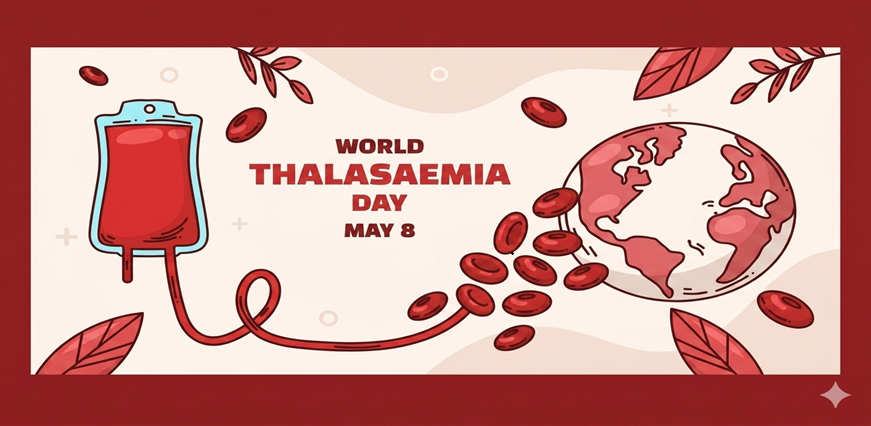
World Thalassaemia Day is observed every year on 8th May to raise awareness about thalassaemia, a genetic blood disorder that affects millions of people worldwide. The day highlights the importance of early diagnosis, proper treatment, blood donation, and support for individuals living with the condition.
Thalassaemia not only affects physical health but can also impact emotional, social, and financial well being. Spreading awareness can help improve understanding, encourage preventive screening, and support better healthcare access.
What Is Thalassaemia?
Thalassaemia is an inherited blood disorder that affects the body’s ability to produce healthy hemoglobin. Hemoglobin is the protein in red blood cells responsible for carrying oxygen throughout the body.
People with thalassaemia may produce fewer healthy red blood cells, leading to anemia and other health complications.
The condition is genetic, meaning it is passed from parents to children through genes.
History of World Thalassaemia Day
World Thalassaemia Day was established by the Thalassaemia International Federation to honor patients living with the condition and remember those who lost their lives due to thalassaemia.
The day also recognizes the efforts of healthcare professionals, caregivers, researchers, and voluntary blood donors who support patients worldwide.
Each year, awareness campaigns focus on improving education, early diagnosis, and treatment options.
Types of Thalassaemia
There are different forms of thalassaemia depending on which part of hemoglobin is affected.
Alpha Thalassaemia
This occurs when genes related to alpha globin production are missing or damaged.
Beta Thalassaemia
This occurs when the body cannot produce enough beta globin.
Severity can vary from mild to severe depending on the number of affected genes.
Common Symptoms of Thalassaemia
Symptoms may appear during childhood and vary depending on the severity of the condition.
Common symptoms include:
- Fatigue and weakness
- Pale or yellowish skin
- Delayed growth
- Shortness of breath
- Bone deformities
- Enlarged spleen
- Frequent infections
Severe thalassaemia may require lifelong medical care and regular blood transfusions.
Importance of Early Diagnosis
Early diagnosis is essential for better disease management and reducing complications.
Doctors may recommend:
- Blood tests
- Hemoglobin analysis
- Genetic testing
- Prenatal screening
Carrier screening before marriage or pregnancy can help identify the risk of passing the disorder to children.
Treatment Options
Treatment depends on the severity of the condition.
Blood Transfusions
Many patients with severe thalassaemia require regular blood transfusions to maintain healthy red blood cell levels.
Iron Chelation Therapy
Frequent transfusions can increase iron levels in the body. Iron chelation therapy helps remove excess iron.
Bone Marrow or Stem Cell Transplant
In some cases, stem cell transplantation may provide a long term treatment option.
Healthy Lifestyle and Medical Care
Regular checkups, vaccinations, balanced nutrition, and infection prevention are important for overall health.
Importance of Blood Donation
Voluntary blood donation is extremely important for thalassaemia patients who depend on regular transfusions.
Awareness campaigns often encourage healthy individuals to donate blood and support patients in need.
Living With Thalassaemia
With proper treatment and medical support, many individuals with thalassaemia can lead productive and fulfilling lives.
Emotional support from family, healthcare providers, schools, and communities can improve quality of life.
Education about the condition can also reduce stigma and encourage inclusivity.
Prevention and Awareness
One of the most effective ways to reduce the number of severe thalassaemia cases is through awareness and screening.
Genetic Counseling
Couples with a family history of thalassaemia may benefit from genetic counseling before planning a family.
Community Awareness Programs
Educational programs can help people understand the importance of testing and early diagnosis.
Prenatal Screening
Prenatal testing may help identify genetic risks during pregnancy.
Global Efforts Toward Thalassaemia Care
Healthcare organizations and support groups worldwide continue working to improve treatment accessibility, research, and patient care.
Advancements in medicine and supportive therapies have improved survival rates and quality of life for many patients.
However, awareness and access to treatment still remain challenges in several regions.
Challenges Faced by Thalassaemia Patients
People living with thalassaemia may face several physical, emotional, and financial challenges.
Regular hospital visits, blood transfusions, medication costs, and emotional stress can affect both patients and caregivers.
Educational institutions and workplaces can contribute by creating supportive and inclusive environments.
Role of Nutrition and Healthy Habits
A healthy lifestyle may help support overall well being in thalassaemia patients.
Doctors may recommend:
- Balanced nutrition
- Regular exercise
- Adequate sleep
- Infection prevention
- Routine medical monitoring
Patients should always follow individualized medical advice.


















 To reach our help desk call 7982100200
.png)
Comments