






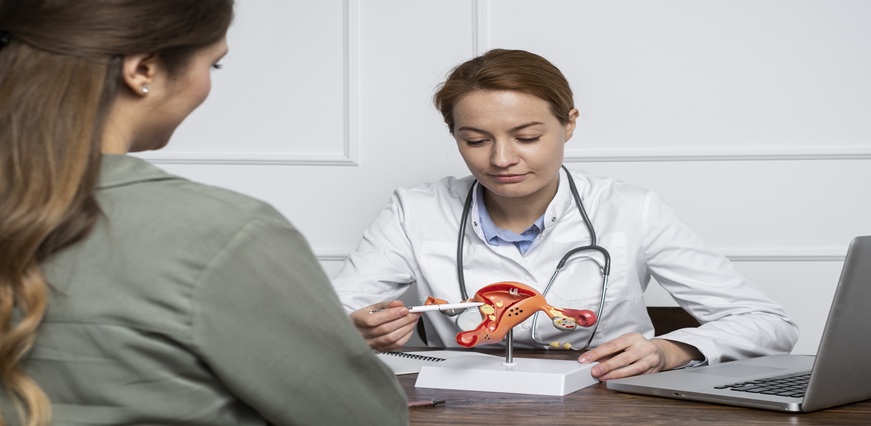
Hormonal disorders affecting women’s reproductive health are becoming increasingly common today, especially conditions like PCOS Vs PCOD. Although these terms are often used interchangeably, they represent different conditions with distinct causes, symptoms, and health implications. Understanding the differences between PCOD and PCOS is essential for early diagnosis, effective treatment, and fertility planning. This guide covers symptoms, causes, weight management, exercise, diet, and pregnancy concerns associated with these conditions.
What is PCOD?
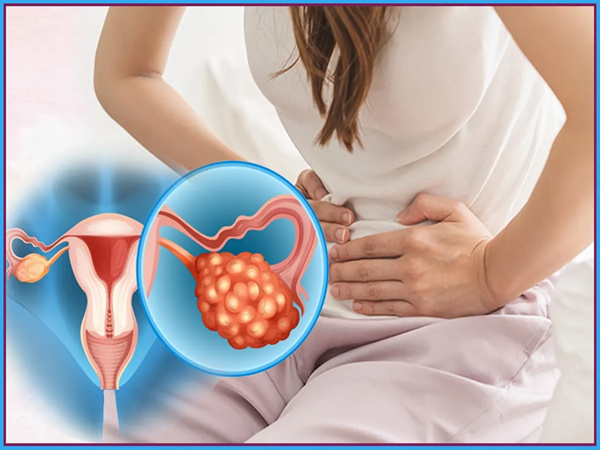
PCOD (Polycystic Ovarian Disease) is a condition in which the ovaries produce immature eggs that can accumulate and form cysts. This leads to hormonal imbalance, irregular menstrual cycles, and weight issues. PCOD is often manageable with lifestyle changes and medication.
- Reason for PCOD
The primary causes of PCOD include hormonal imbalance, genetic predisposition, unhealthy eating habits, stress, and a sedentary lifestyle. Irregular ovulation also plays a key role in developing this condition.
What is PCOS?
PCOS (Polycystic Ovary Syndrome) is a more severe endocrine and metabolic disorder. It involves high androgen levels, insulin resistance, and metabolic complications that affect ovulation, fertility, and overall health.
- Causes for PCOS
PCOS is caused by a combination of genetic factors, insulin resistance, hormonal imbalance, and lifestyle-related factors such as obesity and inactivity.
|
Feature |
PCOD |
PCOS |
|
Nature |
Ovarian disorder |
Hormonal and metabolic syndrome |
|
Severity |
Mild to moderate |
Severe |
|
Hormonal imbalance |
Mild |
High androgen levels |
|
Weight issues |
Moderate |
Significant PCOS weight gain |
|
Fertility impact |
Usually treatable |
Higher infertility risk |
|
Long-term health risks |
Low |
Higher risk of diabetes and heart disease |
Symptoms of PCOD and PCOS
Both conditions share some symptoms, but PCOS symptoms are usually more severe.
Common symptoms:
- Irregular periods
- Acne and oily skin
- Weight gain
- Hair thinning
- Fatigue
Additional symptoms in PCOS:
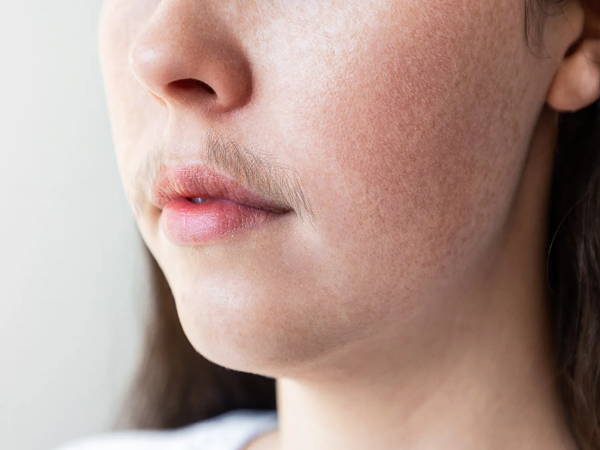
- Excess facial and body hair
- Infertility
- Difficulty losing weight
- Insulin resistance
- Increased risk of diabetes and heart disease
These differences highlight why understanding PCOS vs PCOD is important for proper diagnosis and treatment.
Effects of PCOS on Health
The effects of PCOS go beyond reproductive health. Women with PCOS may face metabolic disorders, mental health challenges, and cardiovascular risks. Long-term complications can include Type 2 diabetes, hypertension, and endometrial cancer if untreated.
PCOS can also lead to insulin resistance, which increases the risk of obesity and metabolic syndrome. Many women experience chronic fatigue, mood swings, anxiety, and depression due to hormonal imbalances. Additionally, high androgen levels may cause acne, excessive hair growth, and scalp hair thinning, impacting self-esteem and quality of life. If left unmanaged, PCOS can contribute to infertility, pregnancy complications, and long-term heart health issues, making early diagnosis and lifestyle intervention essential.
Weight Management in PCOD and PCOS
Weight gain is a common issue in both conditions, especially PCOS.
PCOS weight loss
Losing weight with PCOS can be challenging due to insulin resistance. However, a balanced diet, regular exercise, and stress management can significantly improve symptoms and hormonal balance.
PCOS diet plan to lose weight
- Low glycaemic index foods
- High-fibre vegetables and fruits
- Lean proteins like chicken, fish, and legumes
- Healthy fats such as nuts and seeds
- Avoid sugary and processed foods
PCOD diet chart for weight loss
- Whole grains like oats and brown rice
- Green leafy vegetables
- Low-fat dairy products
- Plenty of water
- Reduced intake of refined carbohydrates
Working Out with PCOS
Working out with PCOS is highly recommended to manage symptoms. Regular physical activity improves insulin sensitivity, helps in weight management, and reduces stress.
Recommended exercises:
- Brisk walking or jogging
- Strength training
- Yoga and Pilates
- High-intensity interval training (HIIT)
Consistency is key to improving hormonal balance and overall health.
Pregnancy Guide with PCOS and PCOD
Women with PCOD and PCOS often worry about fertility, but polycystic ovaries and pregnancy are not mutually exclusive. Many women successfully conceive with proper treatment and lifestyle changes. Managing weight, following a healthy diet, exercising regularly, and taking prescribed medications can significantly improve ovulation and fertility. In PCOS, ovulation-inducing medications, insulin-sensitising drugs, and assisted reproductive techniques may be recommended by doctors. Regular monitoring by a gynaecologist is essential to reduce pregnancy complications such as gestational diabetes and preeclampsia.
Pregnancy tips:
- Maintain a healthy weight
- Follow a balanced diet
- Take prescribed medications
- Manage stress
- Consult a gynaecologist regularly
With early diagnosis and proper management, a successful pregnancy is possible.
Treatment Options for PCOD and PCOS
PCOD Treatment:
- Healthy diet and exercise
- Stress management
- Period regulation medication if needed
- Hormonal therapy
- Insulin-sensitising medications
- Fertility treatments
- Lifestyle modifications
Conclusion
Understanding PCOD VS PCOS is essential for women’s reproductive and hormonal health. While both conditions are common, PCOS is more severe and requires medical attention. Lifestyle changes, diet, exercise, and early diagnosis can help manage symptoms and improve fertility outcomes. If you experience symptoms, consult a healthcare professional for proper diagnosis and treatment.











 To reach our help desk call 7982100200
.png)