









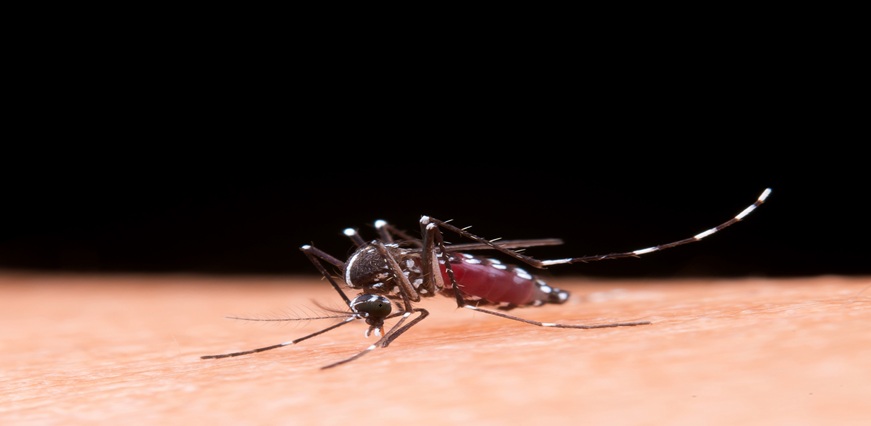
Malaria is a life-threatening disease that affects millions of people worldwide. It is caused by parasites and is transmitted through the bite of an infected mosquito rather than spread directly from person to person. While malaria can affect individuals of all age groups, children under 5 years of age and pregnant women are at a higher risk of severe infection.
The disease is preventable with the right precautions and can be effectively managed with timely diagnosis and treatment.
To raise awareness about this condition and promote global efforts to combat it, World Malaria Day is observed every year. Here is everything you need to know about World Malaria Day.
What is World Malaria Day?
World Malaria Day is an annual observance aimed at raising awareness about malaria and highlighting the global efforts to control and eliminate the disease. It is observed every year on April 25th and involves various activities across countries.
The primary objective is to educate communities about malaria and its impact while promoting the need for preventive measures and proper treatment.
History and Significance of World Malaria Day
Recognising the growing spread of malaria, the World Health Organization (WHO) established World Malaria Day in 2007 during the 60th World Health Assembly. However, the history of World Malaria Day can originally be traced back to 2001, when African countries began observing Africa Malaria Day as an effort to raise awareness about the disease across the continent. Over time, this initiation gained global recognition, evolving into World Malaria Day.
Today, the day creates a unified opportunity for governments of different countries, health organisations, and communities across the world to focus on prevention, diagnosis, and treatment of malaria. Most importantly, it reinforces the idea that with increased awareness and the right preventive measures, the number of malaria cases can be significantly reduced, and many lives can be saved every year.
Key Objectives of World Malaria Day
- Raising Awareness: Educate communities about malaria and the need for effective prevention and control measures.
- Promoting Research and Innovation: Encourage scientific research and innovation in the development of malaria treatments and vaccines.
- Fostering Partnerships: Build global partnerships to enhance resource mobilisation and sustain efforts towards malaria elimination.
Theme of World Malaria Day 2026
Every year, World Malaria Day is observed with a specific theme to guide global efforts. For 2026, the chosen theme is:
“Driven to End Malaria: Now We Can. Now We Must.”
This theme is a shared rallying call for the international community to come together and accelerate the progress towards malaria eradication.
It reflects two closely linked realities:
We can end malaria – not someday, but within our lifetime. It reflects that while the tools and knowledge to eliminate malaria are available, there is an urgent need of immediate and sustained action. When resources decline and interventions slow down, malaria resurges rapidly, and lives are lost.
Now We Can. Now We Must. - The hope and the urgency are inseparable. The possibility has never been greater, and neither has the cost of letting it slip. The global community is encouraged to come together and strengthen efforts towards eliminating malaria.
Activities for World Malaria Day
Here are a few key activities that are organised as a part of the World Malaria Day celebration worldwide:
- Public Awareness Campaigns: Conducted both online or offline, these campaigns focus on spreading awareness about malaria and its impact.
- Community Events: These include rallies, marches, and other public gatherings that provide a platform for people to engage with each other and spread awareness.
- Educational Activities: Schools, universities, and other educational institutions organise workshops and seminars to educate students about malaria, its prevention and timely treatment.
- Fundraising Events: NGOs organise charity runs, benefit concerts, and other fundraising initiatives. These funds are later used for conducting research in this field.
- Health Screenings: Screening camps are organised where malaria testing is offered, along with the distribution of insecticide-treated bed nets.
- Community Clean-ups: Groups come forward to clean areas with stagnant water, helping eliminate mosquito breeding sites and reduce the risk of malaria transmission.
Quick Facts about World Malaria Day
- World Malaria Day is observed on April 25th every year.
- This day highlights the global fight against malaria.
- It was established by WHO in 2007 during the 60th World Health Assembly.
Understanding Malaria
Malaria is transmitted when an infected mosquito bites a human, allowing parasites to enters the bloodstream. The infection develops in stages before any symptoms begin to appear. If not diagnosed and treated on time, malaria can lead to serious health complications.
Symptoms
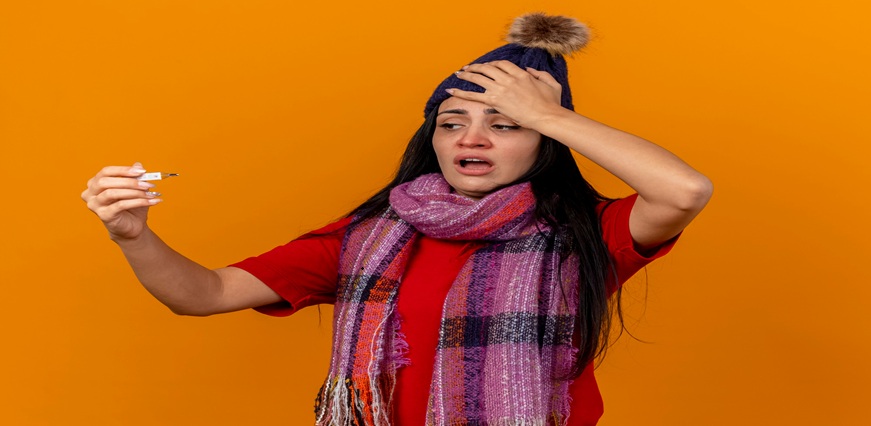
Malaria symptoms usually appear within 2 weeks of infection. Early signs often resemble viral infections such as the flu. Common symptoms include:
- High fever
- Severe headache
- Muscle and joint pain
- Chills followed by sweating
- Fatigue and weakness
- Nausea or vomiting
- Abdominal discomfort
- Diarrhoea
- Persistent cough
Diagnosis
Usually, doctors suggest a blood test to diagnose malaria. This test checks for the presence of malaria parasites in the bloodstream.
Treatment
Malaria can be treated with proper medical care. Early diagnosis and timely treatment can help reduce complications and also prevent further transmission. The treatment given to an individual may vary depending on the severity of the infection and the type of parasite involved. It is best to consult the doctor as soon as the blood test results are received for better evaluation.
Prevention Tips
- Sleep under insecticide-treated bed nets to minimise the chances of mosquito bites
- Apply an effective mosquito repellent and wear long-sleeved clothes when outdoors
- Install window and door screens to keep the house free from mosquitos.
- Get rid of stagnant water in areas near the house, as it serves as the breeding ground for mosquitos.
- Get indoor residual insecticide spraying done on a regular basis.
Final Thoughts
In the current scenario, malaria remains one of the most persistent infectious diseases in most parts of the world. World Malaria Day is celebrated annually by the international community to raise awareness about this life-threatening disease. Those who wish to contribute to this collective effort can participate in any activities organised on this day.










 To reach our help desk call 7982100200
.png)