








The heart is one of the most vital organs of human body. It is responsible for pumping blood to every organ and circulating oxygen and nutrients throughout the body. To ensure overall well-being, it is important to maintain good cardiovascular health. While there are several things that can lead to heart-related issues, one major contributing factor is hyperlipidemia.
This blog will guide you with a detailed explanation of the meaning of hyperlipidemia, its symptoms, causes, diagnosis, and treatment:
What is hyperlipidemia?
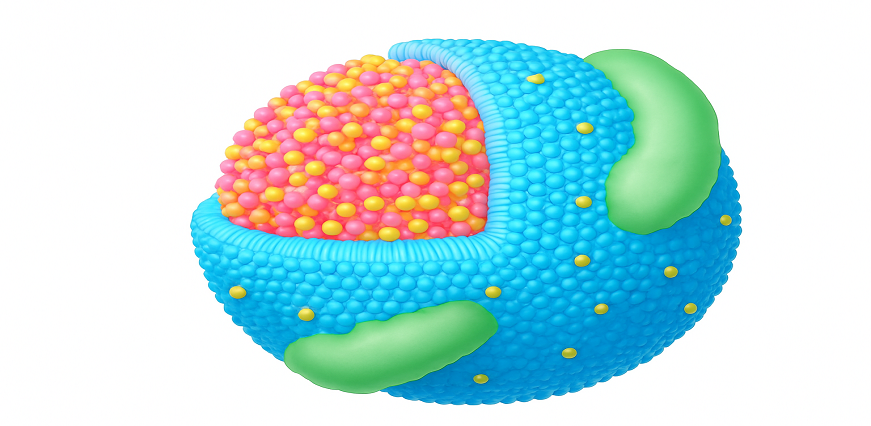
Hyperlipidemia refers to a medical condition where the levels of cholesterol or other types of lipids in the blood are significantly increased. Lipids are waxy substances found in the human body, and their main role is to build healthy cells and provide long-term energy storage. However, excessively high levels can negatively impact cardiovascular health. It not only increases the risk of heart strokes but also leads to various other health issues.
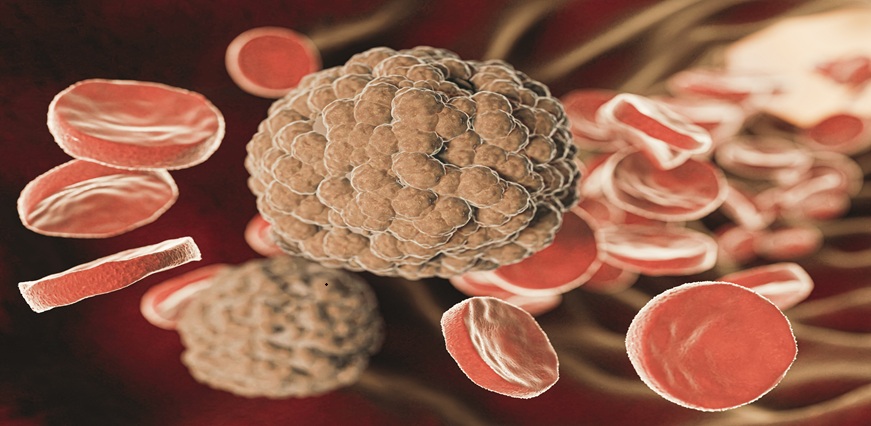
With elevated blood lipids, fats and other substances can build up in blood vessels called arteries. This build-up, known as plaque, leads to the narrowing of arteries over time. As a result, blood cannot easily flow through them. Sometimes, small pieces of plaque can break loose, leading to the formation of a blood clot. This restricts the blood flow and causes a heart attack or stroke.
What are the Different Types of Hyperlipidemia?
There are mainly two types of hyperlipidemia, depending on the root cause:
- Primary (Genetic) Hyperlipidemia: When an individual inherits high cholesterol levels from parents, it is known as primary hyperlipidemia.
- Secondary (Acquired) Hyperlipidemia: When an individual’s high cholesterol levels are caused by lifestyle habits, poor diet, medication or any existing health issues, it is known as secondary hyperlipidemia.
What are the Causes of Hyperlipidemia?
Here are a few common causes of hyperlipidemia:
- Diet: Certain food items contain high amounts of saturated or trans fats, and regular consumption can raise blood cholesterol levels. These include cheese, egg yolks, fried and processed foods, red meat, etc.
- Lifestyle Habits: Unhealthy lifestyle habits such as lack of regular exercise, smoking, and excessive alcohol consumption are also among the major causes of high cholesterol levels.
- Medical conditions: Certain health conditions can directly affect body’s cholesterol levels. These include diabetes, liver disease, pancreatitis, multiple myeloma, polycystic ovary syndrome (PCOS), lupus, obesity, kidney disease, hypothyroidism, HIV, primary biliary cholangitis, etc.
- Medications: Some medicines used to treat other conditions can lead to an increase in cholesterol levels as a side effect. These include steroids, beta-blockers, diuretics, hormonal birth control, antiretrovirals, etc.
- Genetics: Hyperlipidemia is one of those conditions that often runs in families and can be inherited.
What are the Symptoms of Hyperlipidemia?
Hyperlipidemia often does not cause noticeable symptoms in its early stages. However, as the condition progresses, some signs may appear. These can slightly vary from person to person, but a few common symptoms include:
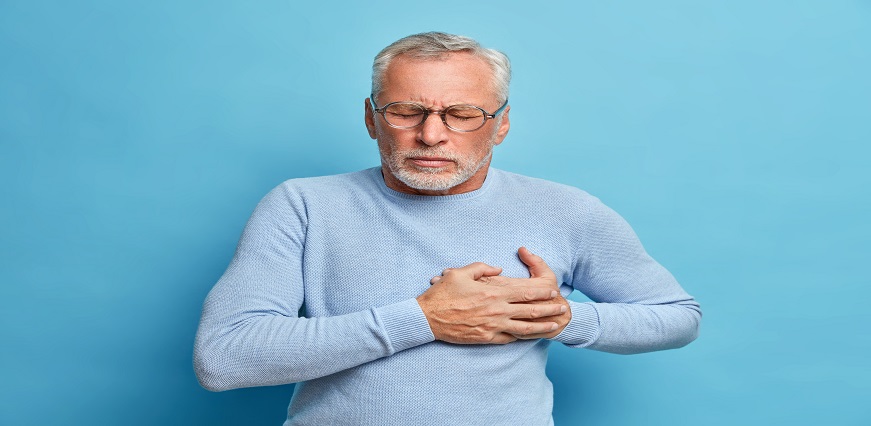
- Chest pain
- Confusion or trouble speaking
- Leg cramps
- Pain in the feet or toes
- Difficulty in breathing
- Weakness in the arms
What are the Risk Factors of Hyperlipidemia?
There are certain factors that can increase the risk of developing hyperlipidemia, such as:
- Family history of high cholesterol
- Age (risk increases after 40 years of age)
- Sedentary lifestyle
- Smoking and alcohol consumption
What are the Complications of Hyperlipidemia?
If left untreated for a long time, high cholesterol levels can lead to serious health issues. Some of these include:
- Heart attack
- Stroke
- Coronary heart disease
- Carotid artery disease
- Sudden cardiac arrest
- Peripheral artery disease
- Small vessel disease
- High blood pressure
Is Hyperlipidemia Common in Pregnancy?
During pregnancy, especially in third trimester, the body’s cholesterol production increases significantly to support fetal development. As a result, it is common for pregnant women to be diagnosed with borderline hyperlipidemia during this time.
How is Hyperlipidemia Diagnosed?
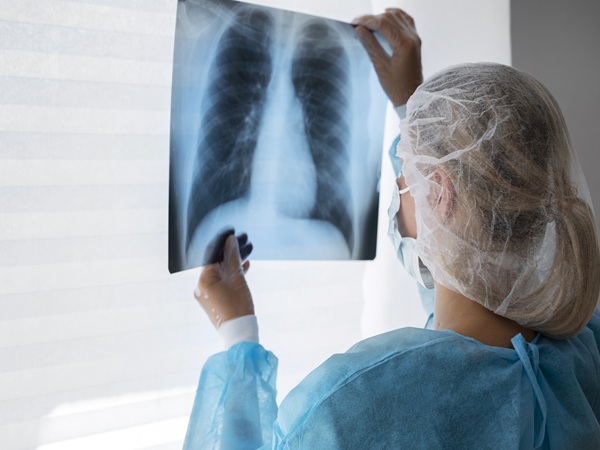
The doctor usually begins the diagnosis by performing a physical examination and a review of personal and family medical history. After that, a lipid profile, which measures cholesterol levels in the blood is prescribed. This helps evaluate the risk of cardiovascular problems.
How is Hyperlipidemia Treated?
In most cases, the doctor suggests lifestyle and dietary changes to help manage cholesterol levels. Sometimes, medication may be prescribed as a part of hyperlipidemia treatment to help reduce bad cholesterol levels in the blood.
What are Some Tips to Prevent Hyperlipidemia?
Here are a few simple and useful tips to prevent hyperlipidemia:
- Engaging in regular physical activity is a good way to maintain healthy cholesterol levels. One should aim for at least 30 minutes of moderate-intensity workout in a day.
- Limiting or avoiding smoking and alcohol consumption is beneficial.
- Getting at least 6-7 hours of sleep daily supports overall health.
- Managing stress is important, as chronic stress is one of the major reasons behind high cholesterol levels.
- Including heart-healthy foods in daily diet and avoiding items with saturated or trans-fat can help.
- Maintaining a healthy weight to keep cholesterol levels in control.
Final Thoughts
Hyperlipidemia or high cholesterol levels, is a condition that is increasingly affecting people across different age groups. While unhealthy lifestyle habits and poor diet are the common causes, certain underlying conditions or medications can also cause high lipid levels. If left untreated, it can lead to serious cardiovascular issues. However, it can be effectively managed by making some dietary and lifestyle changes.













 To reach our help desk call 7982100200
.png)