










Empyema is a medical condition where pus accumulates in the pleural space, the area between the lungs and the chest wall. Understanding the meaning of empyema, its causes and symptoms is essential for early detection and effective treatment, which can significantly improve patient outcomes.
Here is all you need to know about empyema:
What is the Meaning of Empyema?
Empyema happens when pus begins to accumulate between the lungs and the chest wall, an area known as the pleural space. Pus is a thick, discoloured fluid that your body creates to help fight infection.
Typically, the pleural space is filled with a small amount of liquid that lubricates the lungs and chest wall, and allows for smooth respiratory movements. However, during infection, the body sends white blood cells to the pleural space, leading to the formation of pus.
People often confuse empyema with pleural effusion. Although both conditions involve fluid in the pleural space, they are not the same. Pleural effusion is a general term for any fluid buildup in the chest cavity, while empyema specifically refers to the accumulation of infected, pus-filled fluid in the pleural space.
What are the Causes of Empyema?
The primary cause of empyema is bacterial pneumonia. When pneumonia is left untreated or does not respond well to antibiotics, it can spread from the lungs to the pleural space, leading to the formation of pus over time.
Other empyema causes include:
- Tuberculosis
- Lung abscess
- Chest surgery
- Chest injuries or trauma
Risk factors of pulmonary empyema include:
- Gastric acid reflex
- Alcohol abuse
- Intravenous drug abuse
- Diabetes mellitus
- Immunosuppression (When the immune system is not working the way it should)
What are the Signs and Symptoms of Empyema?
Symptoms of empyema generally appear a few days to several weeks after contracting pneumonia. The symptoms can vary depending on the severity of the condition.
Some of the common empyema symptoms include:
- Chest pain that worsens with breathing or coughing
- Fever
- Trouble breathing
- Cough, often accompanied by foul-smelling, greenish phlegm
- Extreme exhaustion (fatigue)
- Unexplained weight loss
- Excessive sweating, especially night sweats
Certain signs and symptoms of empyema warrant immediate medical attention, such as:
- Severe difficulty breathing or rapid breathing
- Chest pain that is sudden and severe
- High fever (above 101°F or 38.3°C)
- Confusion or altered mental status
How is Empyema Diagnosed?
The diagnosis of empyema typically begins with a detailed review of the patient’s medical history, followed by a thorough physical examination. During the physical examination, the doctor may use a stethoscope to listen for abnormal breath sounds, such as reduced air entry or crackling in the lungs.
If the doctor suspects that the patient has empyema infection, they may order several diagnostic tests to confirm their suspicion. Some of the common tests used for the diagnosis of empyema include:
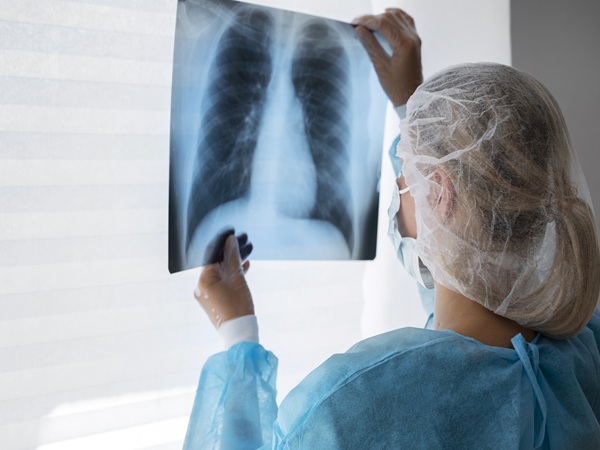
- Chest X-ray: An imaging test to reveal the accumulation of pus in the pleural space.
- CT Scan: Provides more detailed images of the chest, helping identify the extent of empyema infection and any underlying causes.
- Ultrasound: Often used to confirm the presence of pleural fluid and help guide needle placement during fluid drainage procedures.
- Thoracentesis: A procedure in which a needle is inserted into the pleural space to collect fluid for testing.
- Blood Tests: Help check for white blood cell count, look for the C-reactive protein, and identify the bacteria causing the infection. White blood cell count is generally elevated in case of infection.
What are the Treatment Options for Empyema?
The treatment of empyema is generally aimed at removing the pus from the pleural space and treating the infection that is causing the pus accumulation.
For infection, doctors generally prescribe antibiotics. The antibiotics will differ depending on the type of bacteria causing the infection. Make sure to complete the full course of antibiotics, even when you feel better.
For draining the pus, doctors use different methods depending on the severity of the empyema infection. In simple cases, thoracentesis will be done, where a needle is inserted into the pleural space to drain the fluid. However, for more complex cases, a tube is used to drain the fluid. Different types of surgery can be done for this, including:
- Thoracostomy: A process where a plastic tube is inserted into the pleural space. The tube is connected to a suction device that helps remove the pus.
- Video-assisted thoracic surgery: A minimally invasive surgical procedure in which a small camera and instruments are inserted through small chest incisions to remove infected fluid and clean the pleural space.
- Open decortication: Performed in severe cases, the procedure removes thick fibrous tissue (peel) from around the lung to allow it to fully expand again.
Prognosis & Long-Term Outlook
The prognosis of empyema largely depends on the timelines of diagnosis and treatment. If detected early, patients can expect full empyema recovery. However, delayed or improper treatment can cause complications.
Common factors that can influence the prognosis are:
- Underlying conditions: Some underlying health conditions can complicate the recovery process.
- Adherence to the treatment: Following the doctor’s advice and completing prescribed treatments can improve empyema recovery outcomes.
Overall, pulmonary empyema is a serious condition that requires quick medical attention. If not treated, it can lead to potentially life-threatening complications such as sepsis. So, in case you have symptoms of empyema, especially following a bout of pneumonia, seek medical help immediately.











 To reach our help desk call 7982100200
.png)