








Type 1 diabetes is not merely a medical diagnosis; it is a condition that significantly affects the everyday lives of those living with it. Managing blood sugar levels, monitoring health constantly, and staying alert to possible complications become part of a daily routine. The influence of type 1 diabetes goes far beyond medical treatment, shaping routines, decisions, and overall quality of life.
What is Type 1 Diabetes?
Type 1 diabetes is a long-term autoimmune disorder in which the body’s immune system mistakenly attacks and destroys the insulin-producing beta cells of the pancreas. Insulin plays a vital role in controlling blood glucose levels by allowing glucose to enter cells for energy. When insulin is insufficient or absent, glucose builds up in the bloodstream, leading to high blood sugar and potential complications. Unlike type 2 diabetes, which is commonly linked to lifestyle factors and develops later in life, type 1 diabetes usually appears during childhood or adolescence.
What are the Causes of Type 1 Diabetes?
The exact cause of type 1 diabetes remains unclear, but it is believed to arise from a combination of genetic and environmental influences. Key contributing factors include:
- Genetic susceptibility: A family history of type 1 diabetes increases risk of symptoms, as certain immune-related genes may heighten vulnerability.
- Autoimmune activity: The immune system mistakenly attacks pancreatic beta cells, reducing or stopping insulin production.
- Environmental factors: Geographic differences in incidence suggest environmental exposure, including infections or dietary factors, may play a role.
- Early-life influences: Early dietary exposures, such as cow’s milk during infancy, may affect risk, though evidence is not definitive.
- Age: Type 1 diabetes cases are diagnosed in children, teenagers, or young adults, though onset can occur at any age.
- Birth-related factors: Conditions such as low birth weight, premature birth, or maternal age may contribute to increased risk.
What are the Signs and Symptoms of Type 1 Diabetes?
Listed below are the Type 1 diabetes symptoms.
- Excessive thirst (polydipsia) occurs due to dehydration caused by high blood sugar levels.
- Frequent urination (polyuria) results from excess glucose being flushed out through urine.
- Increased hunger (polyphagia) develops because the body cannot properly use glucose for energy.
- Unexplained weight loss may occur despite increased food intake.
- Fatigue and weakness are common due to insufficient energy reaching the cells.
- Irritability and difficulty concentrating can occur as blood sugar levels fluctuate.
- Blurred vision may result from fluid shifts in the eye caused by high glucose levels.
- Recurrent yeast infections can develop as elevated sugar levels promote fungal growth.
- Ketones in urine may appear when the body burns fat for energy in the absence of insulin.
- Dry skin and dry mouth are common signs of dehydration linked to frequent urination.
How is Type 1 Diabetes Diagnosed?
The diagnosis of type 1 diabetes is based on clinical evaluation, symptom assessment, and specific blood tests.
- Clinical assessment: Doctors review medical history and examine symptoms such as excessive thirst, frequent urination, weight loss, and fatigue.
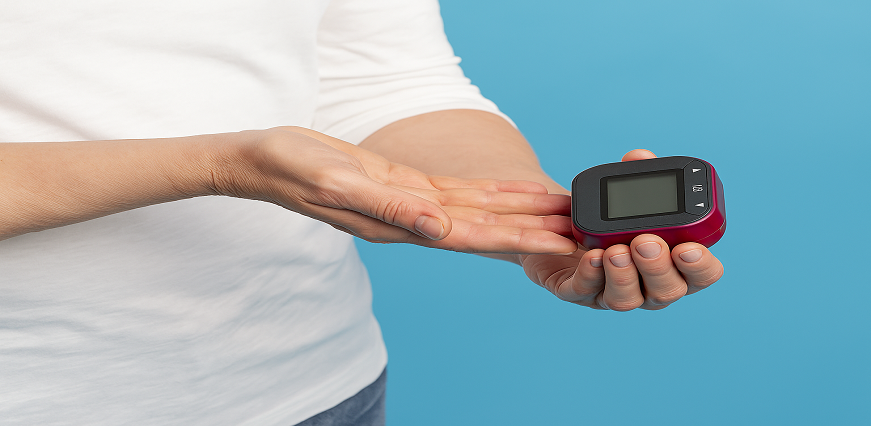
- Fasting blood sugar test: Blood glucose measured after fasting; levels of 126 mg/dL or higher on two occasions suggest diabetes.
- HbA1c test: Reflects average blood sugar over 2–3 months; a value of 6.5% or above indicates diabetes.
- Random blood sugar test: A reading of 200 mg/dL or higher, along with symptoms, may confirm diabetes.
- Oral Glucose Tolerance Test (OGTT): A blood sugar of 200 mg/dL or more two hours after glucose intake supports diagnosis.
- Ketone testing: Blood or urine ketones may be checked when glucose levels are very high.
- Islet cell antibody test: Helps confirm the autoimmune nature of type 1 diabetes.
- C-peptide test: Low levels indicate reduced insulin production, typical of type 1 diabetes.
With the right medical care, monitoring, and support, individuals with type 1 diabetes can lead healthy, active lifestyles with fewer complications. Advanced treatment options for type 1 diabetes, including promising developments such as immunotherapy approaches and advanced artificial pancreas technologies, aim to simplify and enhance diabetes management.















 To reach our help desk call 7982100200
.png)