




Home Sample Collection
Highly Trained Staff & Doctors
Same Day Reports Over Email
Zero Contamination QualiCare Kit



Pregnancy is divided into three stages, known as trimesters, and the first trimester is considered one of the most crucial periods for both mother and baby. During these first 12 weeks, major organs and body systems begin to develop, while the mother's body undergoes several hormonal and physical changes. Understanding this phase can help expectant mothers take the right steps for a healthy pregnancy.
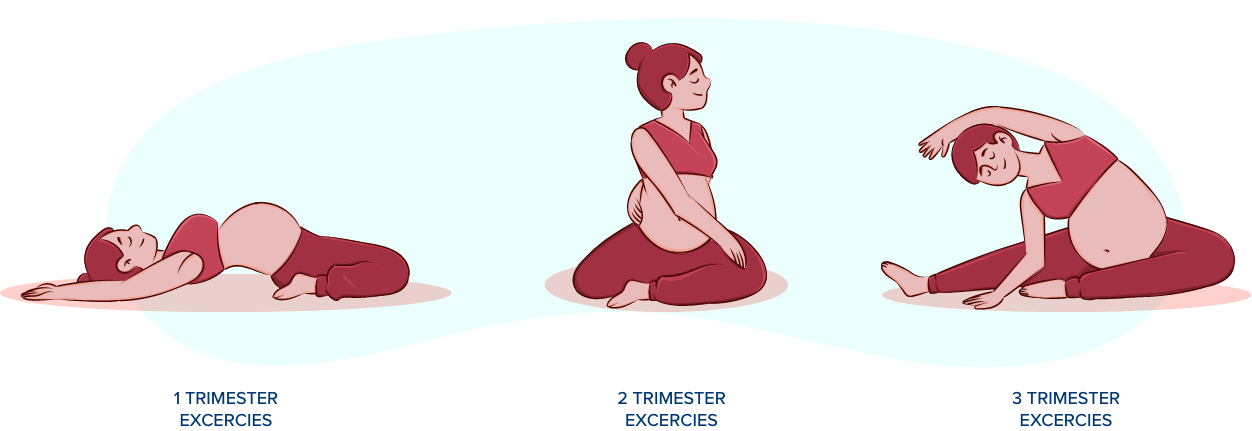
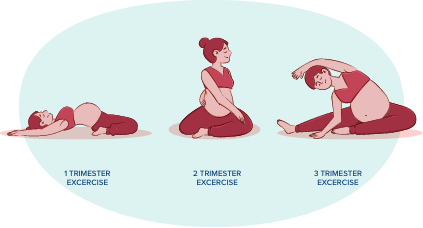
The first trimester marks the beginning of pregnancy and sets the foundation for the baby's growth and development. During these weeks, important changes occur inside the body, and many women begin experiencing early pregnancy symptoms. Proper care and timely medical guidance are essential during this phase.
The first trimester starts from week 1 and continues until the end of week 12. During this period, the fertilized egg develops into an embryo and gradually into a fetus. Major organs such as the heart, brain, lungs, and spinal cord begin forming.
The first trimester is a critical stage because it lays the foundation for your baby's overall development. During this time, the body works hard to support the growing fetus, and healthy habits can significantly influence pregnancy outcomes. Early monitoring and prenatal care are essential for both mother and baby.
Importance of the First Trimester
Major organs start developing.
Placenta formation begins.
Hormonal changes prepare the body for pregnancy.
Early prenatal tests help identify health concerns.
Proper nutrition supports fetal growth.
Timely care reduces the risk of complications.
The first 12 weeks are a period of rapid growth for the baby. Although the fetus is very small, several important organs and structures begin forming. By the end of the first trimester, the baby has developed recognizable features and starts making small movements.
By the end of week 12, the baby measures approximately 2 to 3 inches in length.
Every woman experiences pregnancy differently, but several symptoms are common during the first trimester. These changes are mainly caused by hormonal fluctuations and increased blood flow. Most symptoms improve after the first three months.
Common Symptoms Include
Missed periods
Morning sickness
Nausea and vomiting
Fatigue
Frequent urination
Mood swings
Breast tenderness
Food cravings
Bloating
Mild cramps
Constipation
The body undergoes several physical and emotional changes during early pregnancy. Hormones such as estrogen and progesterone increase significantly, leading to noticeable changes. Understanding these changes can help mothers manage symptoms better and reduce anxiety.
Physical Changes
Breast enlargement
Increased blood volume
Weight changes
Frequent urination
Increased vaginal discharge
Digestive discomfort
Emotional Changes
Mood swings
Anxiety
Irritability
Excitement
Stress and emotional sensitivity
A healthy and balanced diet during the first trimester provides essential nutrients for the growing baby and helps maintain the mother's health. Consuming nutrient-rich foods can also help reduce fatigue and support healthy fetal development.
Healthy Drinks
Water
Coconut water
Fresh fruit juices
Soups
Milk
Certain foods and habits can increase the risk of infections and pregnancy complications. Making safe dietary choices can contribute to a healthier pregnancy and support the baby's growth and development.
Avoid
Alcohol
Smoking
Excess caffeine
Raw eggs
Undercooked meat
Unpasteurized dairy products
Processed and junk foods
High-mercury fish
Regular health checkups and diagnostic tests help assess the health of both mother and baby. Early screening allows doctors to identify nutritional deficiencies, infections, or other conditions that may require treatment during pregnancy.
Healthy lifestyle habits during the first trimester can improve maternal well-being and contribute to healthy fetal development. Small daily changes can help manage symptoms and reduce the risk of complications.
Follow These Tips
Take prenatal vitamins regularly.
Consume folic acid supplements as advised.
Stay hydrated.
Eat small and frequent meals.
Get adequate rest.
Avoid smoking and alcohol.
Practice light exercise after consulting your doctor.
Attend regular prenatal checkups.
Manage stress through relaxation techniques.
While many symptoms are normal, certain signs may indicate complications and should not be ignored. Seeking medical attention promptly can help prevent serious health issues and ensure timely treatment.
Consult Your Doctor If You Experience
Heavy vaginal bleeding
Severe abdominal pain
Persistent vomiting
High fever
Severe headache
Dizziness or fainting
Sudden swelling
Reduced urination
The first trimester involves several routine investigations that help monitor the health of both mother and baby. Getting these tests done on time can provide valuable insights and support a healthy pregnancy journey.
At Max Lab, expectant mothers can conveniently book pregnancy-related blood tests and health packages online. Home sample collection, reliable reporting, and digital access to reports make the testing process simple and convenient. Tests such as CBC Test, Blood Sugar Test, Blood Group Test, Thyroid Profile, Urine Examination, and other prenatal investigations are available to help support maternal health during early pregnancy.
Which week is considered the first trimester?
The first trimester covers week 1 to week 12 of pregnancy.
Is morning sickness normal during the first trimester?
Yes, nausea and vomiting are common symptoms during early pregnancy.
Which nutrient is most important during early pregnancy?
Folic acid is one of the most important nutrients because it supports healthy brain and spinal cord development.
What tests are recommended during the first trimester?
CBC Test, Blood Sugar Test, Blood Group Test, Thyroid Profile, Urine Test, and screening tests may be recommended by your doctor.
Can I exercise during the first trimester?
Light exercise and walking are generally safe, but consult your doctor before beginning any routine.
When can the baby's heartbeat be detected?
The heartbeat can usually be detected during the early weeks through ultrasound.
The first trimester is a significant phase that lays the foundation for a healthy pregnancy. Understanding symptoms, maintaining a balanced diet, following healthy lifestyle habits, and undergoing timely diagnostic tests can help support both maternal and fetal health. With proper care and regular monitoring, mothers can confidently prepare for the next stages of pregnancy.
Get ready for your baby's arrival
.png)












 To reach our help desk call 7982100200