










During pregnancy, women undergo significant hormonal changes, which in some cases, can affect how the body regulates blood sugar. Gestational diabetes refers to elevated blood glucose levels that develop during pregnancy in women with no prior diabetes diagnosis. While it is usually temporary, it may affect both the maternal and fetal health if not identified and managed in time. Understanding gestational diabetes, its causes, and ways to manage it effectively is essential for supporting healthy pregnancy.
What is Gestational Diabetes?
Gestational diabetes is a condition in which blood glucose levels rise beyond the normal range during pregnancy. It is different from Type 1 or Type 2 diabetes and typically resolves on its own after delivery.
Gestational diabetes means that the body is unable to produce enough insulin to meet the increased metabolic demands of pregnancy. This leads to glucose accumulating in the bloodstream rather than being absorbed by the body's cells.
As the pregnancy progresses, the placenta (the organ responsible for delivering nutrients and oxygen to the foetus), releases hormones that naturally reduces the body’s sensitivity to insulin. In most women, the pancreas compensates by producing more insulin. When this does not occur sufficiently, blood sugar levels increase, resulting in gestational diabetes. It is commonly identified in the second or third trimester through routine prenatal screening.
What are the Causes of Gestational Diabetes?
The condition develops due to a combination of hormonal changes and reduced insulin sensitivity. During pregnancy, placental hormones such as human placental lactogen (hPL), progesterone, and cortisol can interfere with the mother's ability to use insulin effectively - a state known as insulin resistance.
For most women, the body compensates by produces more insulin. However, when it falls short due to pre-existing beta-cell dysfunction or other physiological factors, blood glucose levels remain elevated. This is what causes gestational diabetes: a gap between insulin demand and insulin supply during a period of heightened metabolic need.
Certain factors may increase the likelihood of developing this condition, including:
- Being overweight or obese
- Family history of Type 2 diabetes
- Previous pregnancy affected by gestational diabetes
- Polycystic ovary syndrome (PCOS)
- Delivering a baby weighing over 4 kg (9 lbs) in a previous pregnancy
- Being over the age of 25 years
Signs and Symptoms of Gestational Diabetes
Gestational diabetes symptoms are often subtle or entirely absent. Many women go through the condition without noticing anything unusual, which is why screening is built into standard antenatal care.
That said, some commonly observed gestational diabetes symptoms, including:
• Increased thirst
• Frequent urination
• Unexplained fatigue
• Blurred vision
• Recurring infections
The clinical signs of gestational diabetes observable during clinical assessment include glucose in urine tests, a larger-than-average fetal size, and excess amniotic fluid (polyhydramnios).
Herein, make sure to never dismiss the warning signs of gestational diabetes, as typical pregnancy discomfort, and bring them up with your healthcare provider at the next visit.
Since many signs of gestational diabetes overlap with normal pregnancy changes, screening test between weeks 24 and 28 is the most reliable way to confirm or rule out the condition.
What is the Normal Gestational Diabetes Range?
Blood glucose levels are assessed at specific intervals during the gestational diabetes test to determine whether the values fall within a safe range. The diagnostic gestational diabetes range based on the 75g oral glucose tolerance test as per WHO/ADA criteria) are:
- Fasting: ≥ 92 mg/dL (5.1 mmol/L)
- 1 hour after glucose load: ≥ 180 mg/dL (10.0 mmol/L)
- 2 hours after glucose load: ≥ 153 mg/dL (8.5 mmol/L)
Meeting or exceeding even one of these values can confirm a diagnosis.
Which Tests Diagnose Gestational Diabetes?
Healthcare providers typically recommend a gestational diabetes test between 24 and 28 weeks of pregnancy or earlier if risk factors are present. The two primary diagnostic tests are:
Oral Glucose Tolerance Test (OGTT)
The OGTT is the standard diagnostic test, where blood samples are first collected while fasting, and then again at intervals after consuming a glucose solution. The standard diagnostic range for a positive result is: fasting at 95 mg/dL, one hour at 180 mg/dL, two hours at 155 mg/dL, and three hours at 140 mg/dL. A diagnosis is confirmed when two or more values meet or exceed these limits.
Haemoglobin A1c (HbA1c) Test
The HbA1c test measures average blood glucose over the last 2-3 months. While it is not the primary diagnostic tool for gestational diabetes, it may be used in certain clinical scenarios, particularly early in pregnancy, to identify pre-existing diabetes. An HbA1c result above 5.7% calls for further evaluation.
How to Manage Gestational Diabetes?
Effective management focuses on maintaining stable blood sugar levels through lifestyle adjustments, monitoring, and, where necessary, medical support. The following approaches are commonly used to manage this condition:
Balanced Nutrition
A structured meal plan created with professional guidance can help evenly distributes carbohydrate intake throughout the day to prevent glucose spikes. Prioritise whole grains, lean proteins, healthy fats, vegetables, and legumes while limiting refined sugars and processed carbohydrates.
Consistent Physical Activity
Regular, moderate exercise such as brisk walking, prenatal yoga, or light strength training improves insulin sensitivity and maintain blood glucose within the target range. At least 30 minutes of activity on most days is generally recommended by healthcare professionals.
Blood Sugar Monitoring
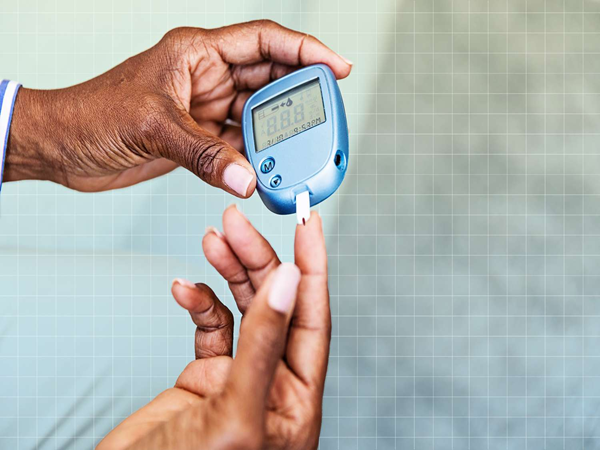
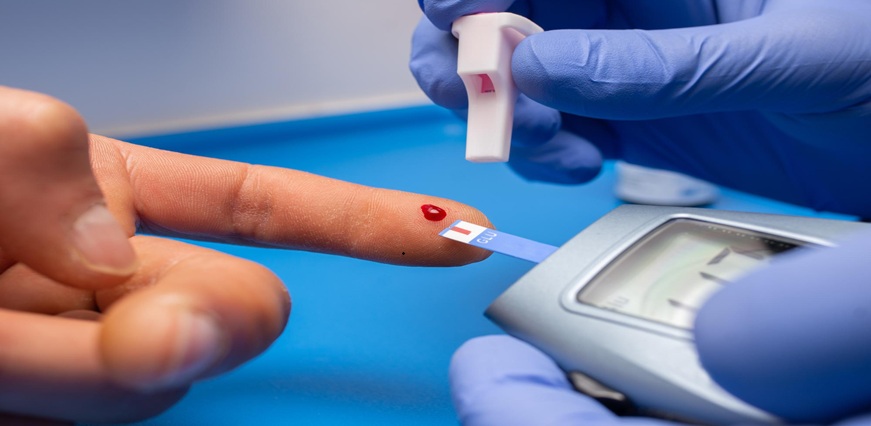
Self-monitoring blood glucose levels at regular intervals provides a real-time understanding of how food, activity, and stress affect glucose levels. Consistent tracking helps both the patient and healthcare provider make timely adjustments.
Medication When Required
If diet and activity alone do not keep glucose within the recommended gestational diabetes range, insulin therapy may be advised. In some cases, oral medications might also be considered under medical supervision.
How to Prevent Gestational Diabetes
While there is no guaranteed way to eliminate the risk, understanding how to prevent gestational diabetes may help reduce the likelihood of developing it. Women planning a pregnancy are advised to achieve a healthy weight before conception, adopt a diet rich in whole foods and low in refined sugars, and engage in regular physical activity. During pregnancy, maintaining appropriate weight as advised by a doctor, managing stress, and attending all prenatal appointments are key steps in preventing gestational diabetes.
Conclusion
A gestational diabetes diagnosis can feel overwhelming, but it is one of the most manageable pregnancy complications when identified early and addressed proactively. Recognising the warning signs of gestational diabetes, understanding the gestational diabetes range used for diagnosis, and staying consistent with diet, exercise, and monitoring can support better outcomes. Most women with gestational diabetes go on to deliver healthy babies. With the right medical support and lifestyle management, a healthy pregnancy is achievable.














 To reach our help desk call 7982100200
.png)