








Are you constantly feeling fatigued and lethargic? Do minor bruises take forever to heal? If yes, then chances are that you might have a low platelet count. Platelets play a crucial role in the body by helping blood clot when there is an injury or bleeding. Low platelet count can lead to serious health issues like excessive bleeding, slow healing of wounds, and even death in severe cases. But don't worry, increasing your platelet count naturally is not rocket science! In this blog post, we will share some simple yet effective tips for boosting your platelet levels and improving your overall health. So let's get started on the path towards a healthier life!
What are Platelets?
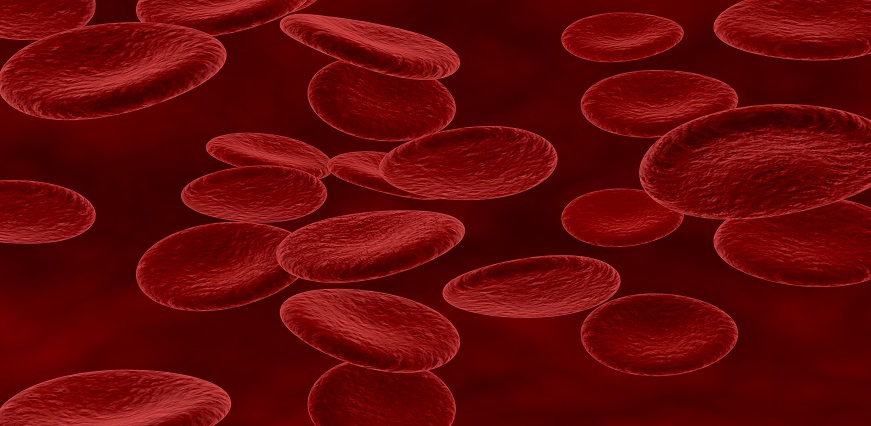
Platelets are a type of blood cell that helps the blood to clot. A lack of platelets can lead to easy bruising and bleeding. There are many different causes of a low platelet count, including certain medical conditions, medications, and lifestyle choices.
Foods to Increase Platelet Count Naturally
There are a few key foods that can help increase your platelet count naturally, and they are all easily accessible.
There are a variety of foods that can help increase platelet count. Foods high in vitamin C, such as citrus fruits, broccoli, and tomatoes, can help improve the body's ability to produce platelets.
- Fenugreek: Fenugreek seeds is a herb that has been used traditionally to help increase platelet counts. It is rich in vitamins and minerals and has anti-inflammatory properties.
- Ginkgo Biloba: Ginkgo biloba is an herb that is known for its ability to improve blood circulation. It also has anti-inflammatory and antioxidant properties.
- Dandelion Root: Dandelion root is a bitter herb that has been used for centuries to detoxify the body. It is rich in vitamins and minerals and has diuretic properties.
- Red Raspberry Leaf: Red raspberry leaf is a tonic herb that is rich in vitamins and minerals. It helps to tone the uterine muscles and reduce inflammation.
- Ginger: Ginger is a spice that has potent anti-inflammatory effects. It also aids in digestion and can help to reduce nausea and vomiting.
- Poultry: Chicken and turkey are excellent sources of protein, which is essential for the production of new blood cells.
- Leafy green vegetables: Dark leafy greens such as spinach and kale are rich in vitamins and minerals that support healthy blood cell production.
- Fish: Certain fish such as salmon and tuna are high in omega-3 fatty acids, which have been shown to promote healthy platelet function.
Vitamin B-12 is also essential for proper platelet production, so foods like eggs, fish, and poultry can be helpful. Additionally, iron-rich foods like spinach, beans, and lentils can also promote platelet production.
Lastly, incorporating leafy green vegetables into your diet can also help increase your platelet count. These nutrient-rich greens provide the body with the vitamins and minerals it needs to function properly, including supporting the production of platelets.
Supplements
Many different supplements claim to increase platelet count, but not all of them are backed by science. Some of the most popular supplements for increasing platelet count include:
- Vitamin C: Vitamin C is a powerful antioxidant that helps to protect cells from damage. It also helps the body to produce collagen, which is essential for healthy blood vessels. Vitamin C can be found in citrus fruits, broccoli, Brussels sprouts, and bell peppers.
- Vitamin B12: Vitamin B12 is essential for the production of red blood cells and DNA. It can be found in meat, poultry, eggs, and dairy products.
- Folic Acid: Folic acid is important for developing healthy red blood cells. It can be found in leafy green vegetables, legumes, nuts, and seeds.
Reducing Stress
If your platelet count is low, there are several things you can do to help increase it. One of the best ways to boost your platelet count is to reduce stress. Stress can have a negative impact on many aspects of our health, including our platelet count.
There are several ways to reduce stress in your life. One way is to make sure you get enough sleep each night. Getting enough rest can help improve your mood and energy levels, which can help reduce stress. Exercise is another great way to reduce stress. Not only does it release endorphins that can improve your mood, but it also helps to keep your body healthy.
Eating a healthy diet and staying hydrated is also important for reducing stress. Eating plenty of fruits, vegetables, and whole grains can help improve your overall health and well-being, which can in turn help reduce stress levels. Drinking plenty of water throughout the day will also help flush out toxins and keep your body hydrated, which can help reduce stress.
When to see a doctor
If your platelet count is low, seeing a doctor is important. A low platelet count can be a sign of a severe medical condition, such as cancer, so it's important to get checked out by a doctor if you think you might have a problem. Some medications can cause a low platelet count, so if you're taking any medications, be sure to tell your doctor.
With our offerings in line with government-mandated prices, Maxlab offers full body checkup packages that cover an exhaustive list of tests for a comprehensive diagnosis of your health. Choose from a range of health test packages based on your needs.


















 To reach our help desk call 7982100200
.png)