Ketogenic Diet: How to Plan Your Meals for Healthy Weight Loss
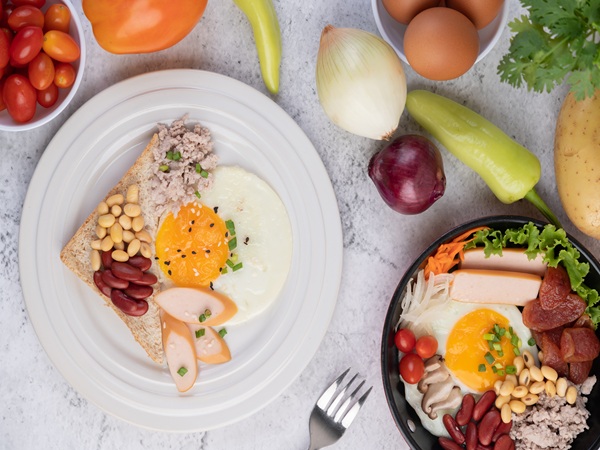
The ketogenic diet, commonly called the keto diet, is a low-carbohydrate, high-fat eating pattern that has become popular among people looking to manage their weight and change their eating habits. Unlike many conventional diets, keto focuses on significantly reducing carbohydrate intake and getting more calories from fats, along with a moderate amount of protein. If you are wondering keto diet what is, what foods you can eat, how a keto diet plan works, or whether it can help with weight loss, understanding the basics can help you make an informed decision. What Is a Ketogenic Diet? A ketogenic diet is an eating pattern that severely limits carbohydrates while increasing dietary fat and providing moderate protein. With fewer carbohydrates available, the body can shift toward using fat and producing ketones for energy. This metabolic state is called ketosis. A typical ketogenic diet may include foods such as eggs, fish, meat, nuts, seeds, avocados, certain dairy products, oils, and low-carbohydrate vegetables. However, keto is a restrictive diet. Foods such as bread, rice, pasta, sugary drinks, sweets, and many other carbohydrate-rich foods are generally limited or avoided. How Does the Keto Diet Work? Normally, carbohydrates are an important source of energy for the body. When carbohydrate intake is greatly reduced, the body has less glucose available from food and begins relying more heavily on stored and dietary fat for fuel. The liver produces substances called ketones from fat, which can then be used as an energy source. This process is the basic idea behind the ketogenic diet. However, reaching ketosis does not necessarily mean that a person will automatically lose weight. Weight management also depends on overall calorie intake, food choices, physical activity, sleep, and other individual factors. What Does a Keto Diet Plan Look Like? A keto diet plan usually focuses on three main areas: Keeping carbohydrates very low Including adequate protein Getting a larger proportion of calories from fats The exact amount of carbohydrate, protein, and fat can vary depending on the type of keto diet and the person's individual needs. A simple day may include eggs and vegetables for breakfast, a salad with chicken or fish for lunch, and a meal containing vegetables, protein, and a healthy fat source for dinner. Portion sizes and nutritional requirements should be considered rather than simply focusing on cutting carbohydrates as much as possible. Keto Diet Plan for Beginners Starting a new diet can be difficult, particularly when it requires avoiding many familiar foods. A keto diet plan for beginners can be easier to follow when meals are planned in advance. A simple approach for beginners Breakfast Eggs with low-carbohydrate vegetables Unsweetened tea or coffee Lunch Grilled chicken, paneer, or fish Salad or non-starchy vegetables A source of healthy fat such as olive oil or avocado Snack A small portion of nuts or seeds Dinner Fish, chicken, tofu, or paneer Cooked low-carbohydrate vegetables Healthy fat in an appropriate portion Water should also be included throughout the day. A beginner should not assume that every food labelled “keto” is automatically nutritious. Food quality still matters. Keto Diet Food List Knowing what to eat is one of the most important parts of following a ketogenic diet. Foods commonly included Protein sources Eggs Fish Chicken Meat Tofu Paneer Healthy fat sources Avocado Olive oil Nuts Seeds Nut butters without added sugar Low-carbohydrate vegetables Spinach Cauliflower Broccoli Cabbage Cucumber Zucchini Mushrooms Bell peppers Other options Unsweetened full-fat dairy products, where appropriate Herbs and spices Unsweetened beverages Foods generally limited on keto Sugar and sweets Sugary drinks Bread Pasta Rice Many cereals Cakes and pastries Potato and other starchy foods Foods high in refined carbohydrates The exact food choices can vary depending on an individual's nutritional needs and the type of ketogenic diet being followed. Keto Diet Plan for Weight Loss A keto diet plan for weight loss is often designed around reducing carbohydrate-rich foods while emphasizing protein, fats, and non-starchy vegetables. Some people lose weight while following a ketogenic diet, particularly when the diet results in lower overall calorie intake. However, keto should not be viewed as a guaranteed or permanent weight-loss solution. Mayo Clinic notes that restrictive diets can be difficult to maintain over the long term, and long-term weight-loss benefits are not necessarily superior to other dietary approaches. For sustainable weight management, the most useful eating pattern is generally one that can be maintained while meeting nutritional needs. Vegetarian Keto Diet Plan A vegetarian keto diet plan can be possible, but it requires careful food selection because many vegetarian protein sources contain significant amounts of carbohydrates. Possible choices include: Paneer Tofu Eggs, if included in the diet Unsweetened Greek yogurt Nuts Seeds Nut butters without added sugar Low-carbohydrate vegetables Avocado Healthy oils Vegetarians should pay attention to adequate protein, fibre, vitamins, minerals, and overall nutritional balance rather than simply removing grains and other carbohydrate-rich foods. What Are the Types of Keto Diet? There are several types of keto diet, and they are not all identical. 1. Standard ketogenic diet This is the commonly discussed version, with very low carbohydrate intake, moderate protein, and high fat. 2. Cyclical ketogenic diet This approach involves periods of ketogenic eating followed by planned periods with higher carbohydrate intake. 3. Targeted ketogenic diet This version allows additional carbohydrates around physical activity and is sometimes used by people who exercise regularly. 4. High-protein ketogenic diet This approach includes more protein than a standard ketogenic diet while still keeping carbohydrates low. Different versions may be used for different purposes, so the right approach depends on individual goals and health needs. Ketogenic Diet Side Effects Although some people tolerate keto well, ketogenic diet side effects can occur, especially when carbohydrate intake is reduced suddenly. Possible short-term effects include: Headache Fatigue Constipation Bad breath Dehydration Digestive discomfort Mayo Clinic also notes concerns such as nutrient deficiencies and the difficulty of maintaining a highly restrictive diet long term. In medically supervised ketogenic therapy, side effects can include dehydration, constipation, and kidney stones, among others. The risk and severity of side effects can vary from person to person. Is the Ketogenic Diet Suitable for Everyone? No single diet is appropriate for everyone. People with certain medical conditions, those taking specific medications, pregnant or breastfeeding individuals, and people with particular nutritional requirements should speak with a healthcare professional before making major dietary changes. A ketogenic diet may also be used as a medical dietary therapy for certain forms of epilepsy, but this is different from following a self-directed keto diet for weight loss. Medical ketogenic therapy should be supervised by an appropriate healthcare team. How to Follow a Keto Diet More Carefully If you are considering a ketogenic diet, focus on the overall quality of your meals rather than simply increasing fat intake. Some practical steps include: Choose nutritious sources of fat. Include a variety of low-carbohydrate vegetables. Get adequate protein. Drink enough fluids. Avoid relying heavily on processed “keto” products. Plan meals before starting. Monitor how your body responds. Discuss the diet with a healthcare professional if you have an existing medical condition or take medication. A restrictive eating pattern should still provide adequate nutrition. Conclusion The ketogenic diet is a low-carbohydrate, high-fat eating pattern that can change how the body obtains energy. It may help some people with weight management, but it is restrictive and may not be suitable for everyone. Whether you are looking for a keto diet plan for beginners, exploring a keto diet food list, considering a vegetarian keto diet plan, or comparing the types of keto diet, it is important to focus on nutritional balance rather than simply cutting carbohydrates. If you have a medical condition, take regular medication, or are planning a major dietary change, speak with a qualified healthcare professional or registered dietitian before starting a ketogenic diet.
Updated on Oct 13, 2026 | 7 min read




















 To reach our help desk call 7982100200
.png)