Foods That Increase Hemoglobin Naturally
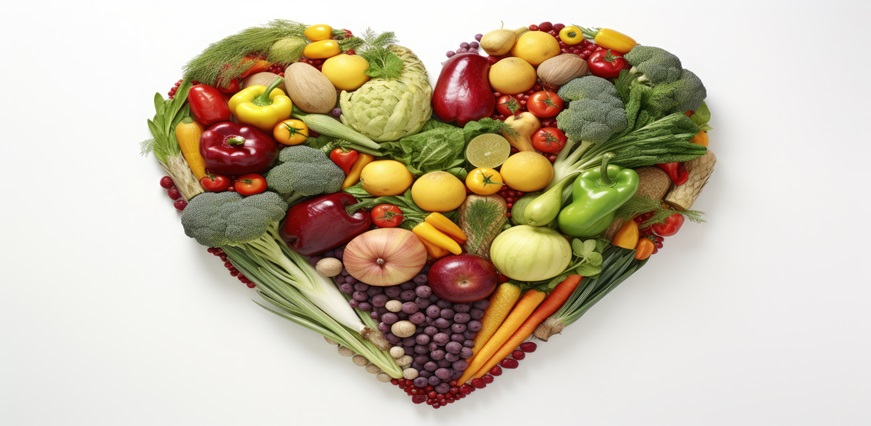
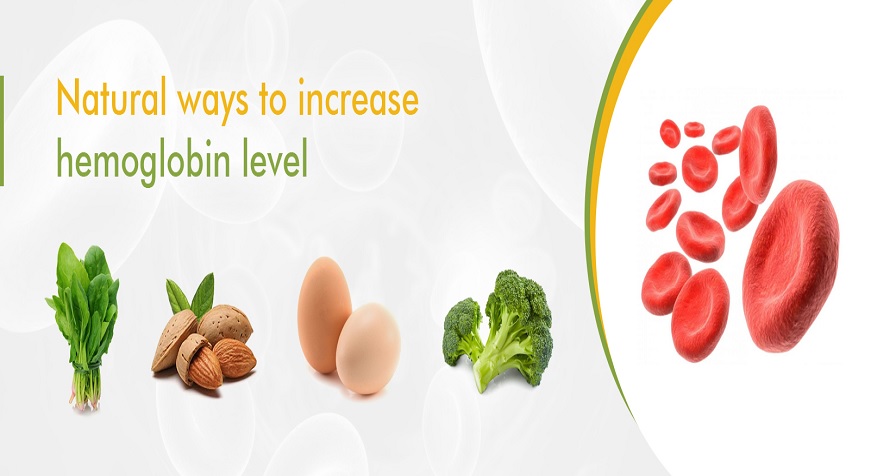
Low hemoglobin can leave you feeling tired, weak, dizzy, or short of breath. Since hemoglobin is responsible for carrying oxygen throughout the body, maintaining healthy levels is important for energy and overall well-being. Diet plays an important role in supporting hemoglobin production. Foods rich in iron, folate, vitamin B12, protein, and vitamin C can help provide the nutrients your body needs to make healthy red blood cells. However, low hemoglobin is not always caused by a nutritional deficiency, so persistent low levels should be evaluated by a healthcare professional. In this blog, learn about the best food to increase hemoglobin, foods that improve iron absorption, and dietary habits that can support healthy blood levels. What Is Hemoglobin? Hemoglobin is an iron-containing protein found inside red blood cells. Its main function is to carry oxygen from the lungs to different tissues and organs throughout the body. Your body needs adequate iron and other nutrients, including vitamin B12 and folate, to produce healthy red blood cells and hemoglobin. When hemoglobin levels become too low, it may lead to anemia and symptoms such as fatigue, weakness, dizziness, pale skin, or breathlessness. What Causes Low Hemoglobin? Low hemoglobin can have several causes, and iron deficiency is only one of them. Common causes include: Iron deficiency Vitamin B12 deficiency Folate deficiency Blood loss Heavy menstrual bleeding Pregnancy Chronic kidney or liver disease Certain inflammatory or chronic illnesses Inherited conditions such as thalassemia or sickle cell disease Because the treatment depends on the underlying cause, simply eating iron-rich foods may not be enough for everyone. Best Food to Increase Hemoglobin A balanced diet containing different sources of iron, vitamins, minerals, and protein can support healthy hemoglobin production. Here are some nutritious options to include in your meals. Spinach and Other Leafy Greens Spinach, fenugreek leaves, amaranth leaves, and other leafy vegetables can contribute iron and folate to the diet. They are particularly useful for people following a vegetarian diet. For better absorption of plant-based iron, combine leafy greens with vitamin C-rich foods such as tomatoes, lemon, amla, or oranges. Lentils and Dal Lentils are an affordable source of plant-based iron, protein, and folate. Regularly including dal in meals can help provide nutrients required for healthy red blood cell production. You can include different varieties of dal in soups, curries, khichdi, or other balanced meals. Chickpeas and Chana Chickpeas contain iron, protein, and folate, making them a nutritious option for supporting a balanced diet. Boiled chana, chana salad, hummus, and chana curry are simple ways to add them to your meals. Kidney Beans and Other Beans Rajma, black beans, and other legumes provide iron, protein, and fibre. They can be included as part of a balanced diet to increase the intake of nutrients involved in red blood cell production. Pairing beans with vitamin C-rich vegetables or a squeeze of lemon can help improve absorption of plant-based iron. Soybeans and Soy Foods Soybeans and foods made from soy provide plant-based protein and iron. Soy chunks, tofu, and cooked soybeans can be useful additions to vegetarian and vegan diets. Sesame Seeds Sesame seeds, or til, provide iron and other minerals. They can be added to salads, vegetable dishes, chutneys, or homemade snacks. Since seeds are calorie-dense, moderate portions are generally sufficient as part of a balanced diet. Pumpkin Seeds Pumpkin seeds provide iron along with protein, magnesium, and healthy fats. They can be eaten as a snack or added to oatmeal, salads, yoghurt, or homemade trail mixes. Ragi Ragi, also known as finger millet, is a nutritious grain that provides iron and other important nutrients. It can be prepared as ragi dosa, roti, porridge, or idli. Eggs Eggs provide protein, iron, vitamin B12, and other nutrients that support normal red blood cell production. Whole eggs can be included in a balanced diet if they suit your dietary preferences. Fish and Seafood Fish and seafood can provide heme iron, which is generally absorbed more efficiently than non-heme iron from plant foods. Many types of fish also provide vitamin B12 and high-quality protein. Sardines, tuna, and other fish can be included as part of a balanced diet. Chicken and Lean Meat Chicken and lean meats provide heme iron and protein. Meat-based foods can be particularly useful sources of iron because heme iron is more readily absorbed by the body. Choose balanced portions and combine them with vegetables or other nutrient-rich foods. Liver Liver is exceptionally rich in iron, vitamin B12, folate, and vitamin A. However, it should not be consumed excessively because of its very high vitamin A content. Pregnant women should speak with their doctor before consuming liver or liver products. Nuts and Seeds Almonds, pumpkin seeds, sesame seeds, and other nuts and seeds can contribute iron and other nutrients to the diet. They make convenient snacks and can also be added to meals. Fortified Cereals and Whole Grains Some breakfast cereals and grain products are fortified with iron, folate, and vitamin B12. Check the nutrition label to determine whether a product has added nutrients. Whole grains can also contribute to an overall balanced diet. Amla and Other Vitamin C-Rich Foods Amla, oranges, guava, tomatoes, bell peppers, and other vitamin C-rich foods may not necessarily be major sources of iron themselves, but they can help the body absorb non-heme iron from plant foods. For example, adding lemon to dal or eating amla or guava alongside an iron-rich meal can be a simple dietary combination. Pomegranate Pomegranate is nutritious and contains antioxidants and several vitamins and minerals. It can be included as part of a balanced diet, although it should not be considered a direct treatment for anemia. Foods That Help Improve Iron Absorption Eating iron-rich food is important, but absorption also matters. Plant foods mainly provide non-heme iron, which is absorbed less efficiently than heme iron from animal foods. You can support iron absorption by: Pairing plant-based iron sources with vitamin C-rich foods. Adding lemon or tomatoes to meals containing dal or beans. Including fruits such as guava, amla, oranges, or kiwi with meals. Maintaining a varied and balanced diet. Following your doctor's advice if iron supplements are prescribed. Vitamin C can improve the absorption of non-heme iron, making food combinations an important part of a hemoglobin-supportive diet. Foods and Drinks That May Reduce Iron Absorption Some foods and beverages can interfere with iron absorption when consumed close to an iron-rich meal. Tea and coffee contain compounds that can reduce the absorption of non-heme iron. Large amounts of calcium consumed at the same time as an iron source may also interfere with absorption. If you have iron deficiency, your doctor or dietitian may recommend separating tea, coffee, or calcium supplements from iron-rich meals or prescribed iron supplements. Vegetarian Food to Increase Hemoglobin Vegetarians can get many important nutrients for hemoglobin production from plant-based foods. Good choices include: Spinach and other leafy greens Lentils and dal Chickpeas Rajma and other beans Soybeans and tofu Sesame seeds Pumpkin seeds Ragi Fortified cereals Nuts and seeds Combining these foods with vitamin C-rich fruits and vegetables can help improve the absorption of plant-based iron. Fruits to Support Healthy Hemoglobin Levels Most fruits are not major sources of iron, but some can contribute useful nutrients to a balanced diet. Good choices include: Amla Guava Oranges Kiwi Strawberries Pomegranate Raisins Dates Vitamin C-rich fruits are particularly useful when eaten with plant-based iron sources because vitamin C helps improve non-heme iron absorption. Can Food Alone Increase Hemoglobin? Food can help improve hemoglobin when low levels are related to inadequate intake of iron or other essential nutrients. However, diet alone may not correct hemoglobin levels when the underlying cause is significant iron deficiency, vitamin B12 or folate deficiency, blood loss, chronic disease, or an inherited blood disorder. If your hemoglobin is consistently low, a healthcare professional may recommend blood tests to identify the cause and determine whether dietary changes, supplements, medication, or other treatment is needed. Symptoms of Low Hemoglobin Low hemoglobin may cause symptoms such as: Persistent tiredness Weakness Dizziness or lightheadedness Pale skin Shortness of breath Headaches Fast or irregular heartbeat Cold hands and feet Difficulty concentrating The severity of symptoms can vary depending on how low the hemoglobin is and how quickly it has decreased. When Should You See a Doctor? You should consult a healthcare professional if you have persistent symptoms of low hemoglobin or if a blood test has shown that your hemoglobin level is below the normal range. Medical evaluation is particularly important if you have heavy menstrual bleeding, unexplained weight loss, repeated fatigue, shortness of breath, blood loss, or other ongoing health problems. Your doctor may recommend tests such as a complete blood count and additional investigations to determine whether iron deficiency, vitamin deficiency, blood loss, chronic disease, or another condition is responsible. Tips to Maintain Healthy Hemoglobin Levels A few simple dietary habits can support healthy hemoglobin levels: Eat a varied diet containing iron, folate, vitamin B12, and protein. Include vitamin C-rich foods with plant-based iron sources. Avoid drinking tea or coffee immediately with iron-rich meals if you have iron deficiency. Include both plant and animal sources of iron according to your dietary preferences. Do not take iron supplements unless recommended by a healthcare professional. Get your hemoglobin checked if you have persistent symptoms or risk factors for anemia. Conclusion Including the right food to increase hemoglobin can help provide the nutrients required for healthy red blood cell production. Iron-rich foods such as leafy greens, lentils, beans, seeds, eggs, fish, and lean meat can be included in a balanced diet, while vitamin C-rich foods can help improve the absorption of plant-based iron. However, low hemoglobin can have several causes beyond diet. If you have persistent fatigue, dizziness, breathlessness, or repeatedly low hemoglobin levels, consult a healthcare professional for proper testing and treatment rather than relying only on dietary changes.
Updated on Sep 15, 2026 | 9 min read



















 To reach our help desk call 7982100200
.png)