









One of the worst things a pregnant person can experience is a miscarriage, a heartbreaking event that can be both physically and emotionally challenging. In this blog post, we will explore the symptoms of a miscarriage during pregnancy, how to recognize them, and what you should do if you experience one. We will also discuss ways to cope with the grief process as well as provide resources for further support. Read on to learn more about miscarriage during pregnancy and what you need to know.
What is a Miscarriage?
A miscarriage is the loss of a pregnancy before the 20th week. Miscarriages are often referred to as "spontaneous abortions" because they usually happen without any sort of medical intervention. However, some miscarriages may be caused by medical conditions or treatments.
Miscarriage is relatively common, occurring in about 15-20% of all pregnancies. The risk of miscarriage increases with age and is highest for women over 40. Women who have had a previous miscarriage are also at an increased risk of miscarrying again.
There are many different symptoms of miscarrying, and not all women experience them all. Some common signs and symptoms include:
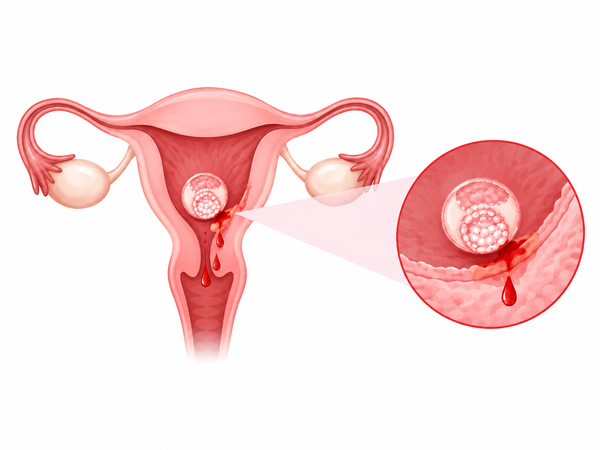
- Bleeding from the vagina, which may be heavy or light, and may be accompanied by clots or tissue
- Cramping in the lower abdomen or back
- Passing tissue from the vagina
- Fluids or blood leaking from the vagina
- Decrease in pregnancy symptoms (such as morning sickness)
- Negative pregnancy test
What Causes a Miscarriage?
Unfortunately, the cause of most miscarriages is unknown. Only about 1% of miscarriages are due to a known cause, such as infection, hormonal problems, or physical abnormalities of the uterus.
The vast majority of miscarriages occur in the first trimester, and most are thought to be due to chromosomal abnormalities of the embryo. Chromosomal abnormalities are thought to be responsible for up to 70% of first-trimester miscarriages.
There are many factors that may contribute to chromosomal abnormalities, including advanced maternal age (over 35), exposure to certain environmental toxins, and smoking. However, in many cases, the cause is unknown.
While the cause of most miscarriages is unknown, there are some things that can increase your risk. Factors that have been associated with an increased risk of miscarriage include:
• Advanced maternal age (over 35)
• Exposure to certain environmental toxins
• Smoking
• Alcohol consumption
• Use of certain medications
Types of miscarriage
Missed Miscarriage
A missed miscarriage is when a baby dies in the womb but the body does not expel the pregnancy tissue. It may also be called a silent, hidden, or delayed miscarriage.
Missed miscarriages are usually discovered during a routine ultrasound. The scan shows that the baby has died but the woman’s body has not yet recognized the loss and expelled the pregnancy tissue. This can be an emotionally difficult situation for a woman to deal with because she is still carrying around a dead fetus.
Complete Miscarriage
A complete miscarriage is when the pregnancy is lost entirely, and no tissue remains in the uterus. This type of miscarriage usually happens within the first few weeks of pregnancy and can be caused by a variety of factors including infection, hormonal imbalance, or chromosomal abnormalities. Symptoms of a complete miscarriage may include vaginal bleeding and cramping.
Recurrent Miscarriage
Recurrent miscarriage is defined as the loss of three or more consecutive pregnancies. While this can be devastating for couples who are trying to conceive, it is important to remember that recurrent miscarriage is relatively rare, occurring in only about 1% of women. There are many possible causes of recurrent miscarriage, including anatomic abnormalities of the uterus, hormonal imbalances, and autoimmune disorders. Fortunately, there are also many effective treatments available. With proper diagnosis and treatment, most women with recurrent miscarriages will go on to have a successful pregnancy.
Threatened Miscarriage
Threatened miscarriage is when a woman starts to experience symptoms of miscarrying, but the pregnancy is still viable. It is important to seek medical attention if you think you may be miscarrying, as there are things that can be done to try to save the pregnancy.
Inevitable Miscarriage
Inevitable miscarriages are those that occur with little or no warning. The cervix dilates and contractions begin, resulting in the expulsion of the fetus and placenta. This type of miscarriage is often diagnosed via ultrasound when there is no longer a fetal heartbeat or when the gestational sac has emptied. Inevitable miscarriages can be incredibly distressing as they offer no opportunity for intervention or for parents to prepare emotionally.
What are the Symptoms of a Miscarriage?
The most common symptom of a miscarriage include:
Passing tissue from the vagina
The most common sign of a miscarriage is vaginal bleeding. It may start and stop, or be heavy and continuous. You may also have cramps in your lower abdomen.
If you have any of these symptoms, it’s important to see your doctor right away so they can check on the health of you and your baby.
Mild to severe back pain
Miscarriage is often accompanied by mild to severe back pain. This pain may feel like cramps, and it can be constant or intermittent. It may be worse when you move around, cough, or sneeze. You may also have back pain after a miscarriage if you had an infection or if tissue was left behind in your uterus.
Abdominal pain or cramping
Abdominal pain or cramping is often the first symptom of a miscarriage. The pain may be sharp and crampy, or it may be dull and achy. It may be difficult to distinguish from normal pregnancy pains, but if the pain is accompanied by bleeding, it is more likely to be a miscarriage.
White-pink mucus discharge from the vagina
If you are pregnant, it is normal to have a white-pink mucus discharge from your vagina. This discharge is called lochia and is made up of dead tissue, blood, and mucus. Lochia usually starts within a few days of giving birth and gradually decreases over the next four to six weeks postpartum. If you have a lot of bleeding or if the bleeding is heavy and accompanied by blood clots, cramping, or pain, contact your healthcare provider as this could be a sign of miscarriage.
Fluid retention or edema
One symptom of a miscarriage is fluid retention or edema. This can happen when the body retains too much water and/or salt. The extra fluid can cause swelling in the feet, ankles, legs, and hands. Some women also have trouble breathing and may feel short of breath.
How can I Cope with a Miscarriage?
Losing a pregnancy can be a very difficult and painful experience. If you have had a miscarriage, it is important to give yourself time to grieve. There is no right or wrong way to feel after a miscarriage, and it is normal to feel a wide range of emotions, including sadness, anger, guilt, and anxiety.
There are several things that you can do to cope with a miscarriage:
1. Talk about your feelings: It can be helpful to talk about your experience with someone who understands what you are going through. This could be a friend, family member, therapist, or support group for women who have experienced miscarrying.
2. Take Care of Yourself: Be sure to get plenty of rest and eat healthy foods. Exercise can also help reduce stress and improve your mood. Avoid alcohol and drugs as they can make it harder to cope with your emotions.
3. Create a Support System: Lean on your friends and family members for support during this difficult time. It can also be helpful to connect with other women who have gone through miscarriages. There are many online support groups available that can provide invaluable emotional support.
4. Seek Professional Help: If you find that you are struggling to cope with your emotions after miscarrying, consider seeking professional help from a therapist or counselor who specializes in fertility issues or grief counseling
Where Can I Get Help if I am Miscarrying?
If you think you might be miscarrying, it is important to seek medical help right away. Your doctor can confirm whether or not you are miscarrying and provide you with the best course of treatment. If you are miscarrying, there are a few different ways your doctor can help. They may give you medication to help manage the pain and bleeding. They can also offer advice on how to cope emotionally with your loss. In some cases, your doctor may recommend surgery to remove any remaining tissue from the pregnancy. No matter what, your doctor will be able to provide you with the support and care you need during this difficult time.
With our offerings in line with government-mandated prices, Maxlab offers full body checkup packages that cover an exhaustive list of tests for a comprehensive diagnosis of your health. Choose from a range of health test packages based on your needs.
Conclusion
While miscarriage is a devastating and heartbreaking experience, it is important to remember that most early pregnancy losses are not caused by anything the mother has done wrong. Knowing the warning signs of miscarriage, such as vaginal bleeding or cramping, can help you get medical care quickly in case of an emergency. Although it's normal to feel overwhelmed with grief and sadness after a miscarriage, reaching out for support from family and friends can be helpful in finding closure during this difficult time.

















 To reach our help desk call 7982100200
.png)