










Breastfeeding is one of the most important parts of being a mother. Not only does it provide your baby with essential nutrients, but it can help to establish a bond between the two of you that will last throughout your lives. But if you’re having difficulty producing enough milk for your baby, you may be wondering what foods to eat to increase breast milk production. In this article, we’ll explore some of the best foods and drinks to increase breast milk supply and help you create a healthy and robust breastfeeding experience for both you and your baby.
Below are the Foods to Increase Breast Milk
Fennel
Fennel is a flavorful herb that can be used to increase breast milk production. It has a high concentration of a compound called anethole, which is thought to stimulate milk production. Fennel can be consumed in many ways, including raw, cooked, or as tea. It can also be added to other foods or supplements to increase their lactogenic properties.
Fenugreek
Fenugreek is a herbal supplement that has been traditionally used to help increase milk production in nursing mothers. Fenugreek seeds contain a compound called diosgenin, which is thought to stimulate milk production. Fenugreek is available in capsules or as a tea. It can also be added to food, such as cooked rice or curries. Some women may experience mild gastrointestinal side effects, such as bloating, stomach gas, or diarrhea, when taking fenugreek.
Blessed Thistle
Blessed thistle is a member of the daisy family and is native to the Mediterranean region. The herb can be found in many forms, including capsules, tablets, and teas. Blessed thistle is generally considered safe for most women, but it is always best to speak with a healthcare provider before taking any supplement.
Oatmeal
Oatmeal is a fantastic food to eat when you are looking to increase your breast milk supply. Not only is it a wholesome and nutritious food, but it is also known to help promote lactation. Oats are a galactagogue, which means they help stimulate the production of milk. They do this by helping to increase prolactin levels in the body, which is the hormone responsible for milk production.
There are many different ways that you can incorporate oatmeal into your diet. You can have a bowl of oatmeal for breakfast, or make oatmeal cookies or bars as a snack. You can even add some oatmeal to your smoothies or yogurt. If you are looking for an easy way to increase your breast milk supply, add some oatmeal to your diet!
Garlic
There are few foods that have as many health benefits as garlic. Not only is garlic a great source of antioxidants, but it has also been shown to increase milk production in breastfeeding mothers. A study published in the journal Breastfeeding Medicine found that taking a garlic supplement increased milk production by over 30%!
If you’re looking for an easy way to add more garlic to your diet, try roasting whole cloves and adding them to your favorite dishes. You can also try incorporating garlic into your breastmilk by steeping a few cloves in boiling water and then freezing the infusion in ice cube trays. Then, when you’re ready to use them, simply pop a cube or two into your breastmilk before you feed your baby.
Dark Leafy Greens
Dark leafy greens are a great source of nutrients for breastfeeding mothers. They are packed with vitamins A, vitamin C, and vitamin K, as well as folic acid and calcium. Dark leafy greens can help increase milk production, and they can also improve the quality of breast milk. Breastfeeding mothers who eat dark leafy greens may have higher levels of prolactin, which is the hormone that helps stimulate milk production.
Brewers Yeast
Brewers yeast is a type of yeast used in brewing beer and baking. It is rich in vitamins and minerals, including B vitamins, iron, chromium, selenium, and zinc. Brewers' yeast has been traditionally used to increase breast milk production. It can help to increase milk production in lactating women.
Nuts and Seeds
Nuts and seeds are a great way to increase breast milk. Not only do they provide the body with essential fatty acids, but they also contain phytoestrogens, which can help to increase milk production. Some of the best nuts and seeds for increasing breast milk include:
- Almonds
- Flaxseeds
- Pumpkin seeds
- Sesame seeds
- Sunflower seeds
In addition to being a nutritious snack, nuts, and seeds can also be used in a variety of recipes. For example, almond butter can be added to smoothies or used as a spread on toast. Flaxseeds can be added to oatmeal or yogurt. Pumpkin seeds can be used in soups or baked into bread. And sunflower seeds make a great topping for salads or veggie dishes.
Lean Protein
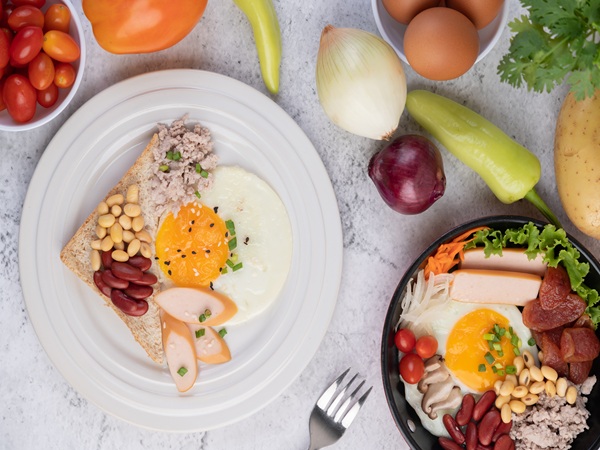
Protein is an essential macronutrient for all mammals, including nursing mothers. Breast milk is composed of 88% water, 7% lactose, 4% fat, and 1% protein (1). While the majority of breast milk’s calories come from fat, protein provides essential amino acids needed for a baby’s growth and development. For nursing mothers, lean protein sources are important to consume because they help with milk production while also providing other health benefits.
Some excellent lean protein sources for nursing mothers include:
- Skinless chicken or turkey
- Fish (e.g., salmon, tuna, halibut)
- Shellfish (e.g., shrimp, crab)
- Egg whites
- Lean beef or pork (e.g., tenderloin, loin chop)
- Beans and legumes (e.g., black beans, lentils, soybeans)
- Low-fat dairy (e.g., skim milk, Greek yogurt)
These protein-rich foods not only support breast milk production but also provide other nutrients that are vital for a nursing mother’s health, such as iron, zinc, and B vitamins. In addition to consuming plenty of lean protein foods, nursing mothers should also make sure to drink plenty of fluids throughout the day to stay hydrated and support milk production.













 To reach our help desk call 7982100200
.png)