






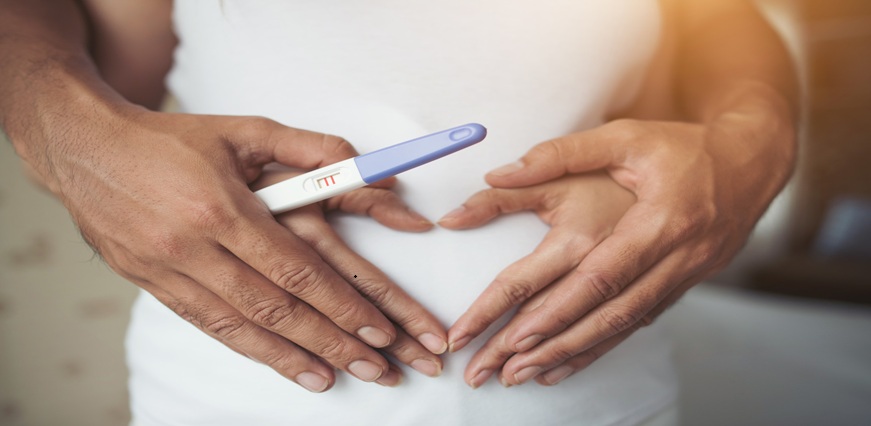
Polycystic ovary syndrome (PCOS) is a common hormonal and metabolic condition that can affect menstrual cycles, ovulation, androgen levels, fertility, skin, hair, and metabolic health. Nutrition and lifestyle are important parts of managing PCOS, although there is no single diet that is suitable for every woman with the condition.
A balanced diet for polycystic ovary syndrome can focus on nutrient-dense foods, adequate protein and fibre, healthy fats, minimally processed carbohydrates, and sustainable eating habits. The goal is not simply weight loss but supporting overall health, energy, metabolic health, and quality of life.
In this guide, learn about the best foods for PCOS, foods to limit, a simple PCOS-friendly meal plan, and practical tips for building a balanced diet.
What Is Polycystic Ovary Syndrome (PCOS)?
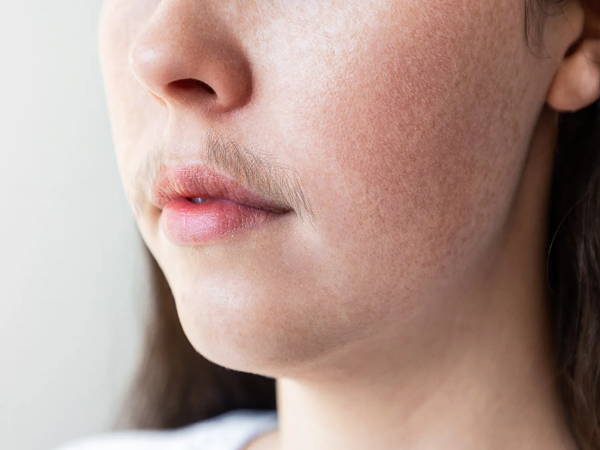
Polycystic ovary syndrome is a hormonal condition associated with symptoms such as irregular or infrequent periods, excess androgen activity, and problems with ovulation. Some women with PCOS may also experience acne, increased facial or body hair, scalp hair thinning, or difficulty becoming pregnant.
PCOS can affect women differently. Therefore, dietary needs and treatment plans should be individualised.
Early diagnosis and appropriate management can help address symptoms and reduce the risk of longer-term health problems.
How Can Diet Affect PCOS?
There is no single “PCOS diet” that works for everyone. However, healthy eating can be an important part of PCOS management.
A balanced eating pattern can help support:
- Healthy blood glucose regulation
- Cardiometabolic health
- Healthy weight management when appropriate
- Adequate nutrition
- Energy levels
- Overall wellbeing
The 2023 International Evidence-Based Guideline for PCOS recommends healthy lifestyle behaviours, including healthy eating and physical activity, for women with PCOS. Importantly, the guideline notes that lifestyle benefits can occur even without weight loss.
What Should a Diet for Polycystic Ovary Syndrome Include?
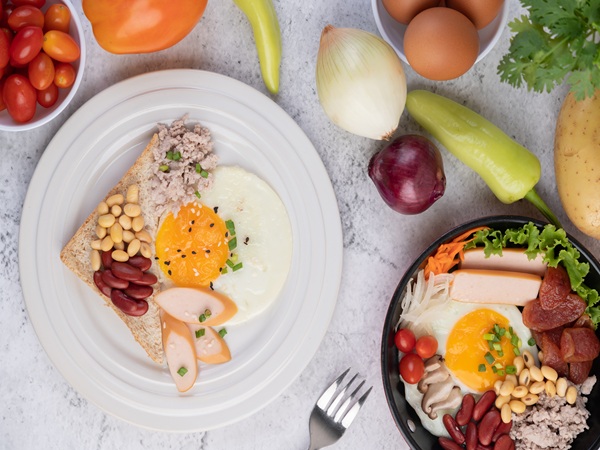
Rather than eliminating entire food groups, focus on creating balanced meals containing a combination of protein, fibre-rich carbohydrates, vegetables or fruit, and healthy fats.
1. High-Fibre Foods
Fibre can help make meals more filling and is an important part of a balanced diet.
Good sources include:
- Oats
- Whole-wheat roti
- Brown rice
- Quinoa
- Barley
- Beans
- Chickpeas
- Lentils
- Vegetables
- Fruits
- Nuts and seeds
Try to choose whole or minimally processed sources of carbohydrates more often.
2. Protein-Rich Foods
Including protein in meals can help create a more balanced and satisfying diet.
Good options include:
- Eggs
- Fish
- Chicken
- Paneer
- Curd or unsweetened yoghurt
- Milk
- Tofu
- Soy products
- Dal
- Chickpeas
- Rajma
- Other beans and pulses
Vegetarian diets can also provide adequate protein when a variety of protein-rich foods are included.
3. Vegetables
Vegetables provide fibre, vitamins, minerals and other beneficial nutrients.
Include a variety of:
- Spinach and other leafy greens
- Broccoli
- Cauliflower
- Capsicum
- Carrots
- Beans
- Cucumber
- Tomatoes
- Pumpkin
- Bottle gourd
- Bitter gourd
- Other seasonal vegetables
Aim to include vegetables regularly across your meals.
4. Whole Fruits
Fruit can be part of a healthy diet for women with PCOS.
Choose whole fruits such as:
- Apples
- Oranges
- Guava
- Pears
- Berries
- Papaya
- Kiwi
- Pomegranate
- Peaches
Whole fruit generally provides fibre along with naturally occurring sugars. Instead of relying heavily on fruit juices, choose whole fruit more often.
5. Healthy Fats
Healthy fats are an important part of a balanced eating pattern.
Sources include:
- Almonds
- Walnuts
- Peanuts
- Seeds
- Chia seeds
- Flaxseeds
- Sesame seeds
- Avocado
- Olive oil
- Fatty fish
Portion size still matters because fats are energy-dense.
6. Omega-3-Rich Foods
Fatty fish such as salmon, sardines and mackerel are sources of omega-3 fatty acids.
For people following a vegetarian diet, walnuts, chia seeds and flaxseeds can provide plant-based alpha-linolenic acid (ALA).
12 Foods to Include in a PCOS-Friendly Diet
Here are practical foods that can be incorporated into a balanced diet for polycystic ovary syndrome:
- Eggs
- Leafy green vegetables
- Broccoli and other cruciferous vegetables
- Oats
- Whole grains
- Lentils and dals
- Chickpeas and beans
- Unsweetened curd or yoghurt
- Fatty fish
- Nuts
- Seeds such as chia and flax
- Whole fruits
These foods should be viewed as components of an overall healthy eating pattern rather than “cures” for PCOS.
Foods to Limit or Eat Less Often With PCOS
There is no universal list of foods that every woman with PCOS must completely avoid. However, limiting highly processed foods and foods high in added sugars or unhealthy fats can support a balanced diet.
Consider reducing:
Sugary Drinks
Examples include:
- Soft drinks
- Sweetened packaged beverages
- Energy drinks
- Sugary tea or coffee
- Excessive fruit juice
Choose water or unsweetened beverages more often.
Highly Refined Carbohydrates
Examples include:
- Refined white bread
- Highly processed breakfast cereals
- Biscuits
- Cakes
- Pastries
- Sugary baked foods
These foods can be included occasionally, but they should not make up most of the diet.
Deep-Fried Foods
Limit frequent consumption of:
- French fries
- Fried snacks
- Samosas
- Pakoras
- Other deep-fried foods
Prefer baked, grilled, steamed or lightly cooked options more often.
Highly Processed Foods
Foods that are heavily processed and high in added sugar, sodium or saturated fat are best consumed less frequently.
Examples include some packaged snacks, desserts, fast foods and processed meats.
Simple 1-Day PCOS Meal Plan
A healthy diet for polycystic ovary syndrome does not have to be complicated.
Early Morning
- Water
- Unsweetened tea or coffee, if desired
Breakfast
Choose one:
- Vegetable oats with eggs
- Moong dal chilla with curd
- Vegetable poha with a protein source
- Whole-wheat vegetable sandwich with paneer or egg
Mid-Morning Snack
- One whole fruit
- A small portion of nuts or seeds
Lunch
A balanced lunch could include:
- 1–2 whole-wheat rotis or a moderate portion of brown rice
- Dal, beans, paneer, tofu, chicken or fish
- A generous serving of vegetables
- Salad
- Unsweetened curd
Evening Snack
Choose one:
- Roasted chickpeas
- Nuts
- Fruit with unsweetened yoghurt
- Vegetable snack
Dinner
Choose a combination of:
- Vegetables
- Protein such as dal, tofu, paneer, chicken or fish
- Whole grains or another minimally processed carbohydrate
Before Bed
A small glass of unsweetened milk can be included if it suits your dietary needs.
This is a general example and may need to be modified according to individual calorie requirements, food preferences, allergies, medical conditions and cultural eating habits.
Indian Foods That Can Be Included in a PCOS Diet
You do not necessarily need to follow a Western-style diet to eat healthily with PCOS.
Indian foods that can fit into a balanced PCOS eating pattern include:
- Dal
- Rajma
- Chole
- Moong
- Sprouts
- Vegetable sabzi
- Whole-wheat roti
- Oats
- Brown rice
- Millets
- Paneer
- Tofu
- Eggs
- Fish
- Chicken
- Curd
- Nuts and seeds
The overall portion, preparation method and balance of the meal are important.
For example, a meal of roti, dal, sabzi, salad and curd can provide a combination of carbohydrates, protein, fibre and other nutrients.
Is Weight Loss Necessary for Managing PCOS?
Not every woman with PCOS needs to lose weight.
The 2023 international PCOS guideline recommends healthy lifestyle behaviours for women with PCOS regardless of body size. For women who are above their healthy weight range and want to lose weight, an individually tailored approach may provide health benefits. The guideline also highlights the importance of avoiding weight stigma and recognising that healthy lifestyle benefits can occur without weight loss.
Therefore, the focus should be on sustainable healthy habits rather than restrictive dieting.
Tips for Following a Healthy PCOS Diet
Small, consistent changes can make healthy eating easier.
Plan Your Meals
Planning meals ahead can reduce dependence on highly processed convenience foods.
Include Protein in Main Meals
Adding eggs, dal, beans, paneer, tofu, yoghurt, fish or chicken can help create a balanced meal.
Choose Whole Foods More Often
Build most meals around vegetables, fruits, whole grains, pulses, nuts, seeds and protein-rich foods.
Drink Enough Water
Make water your main beverage and limit sugar-sweetened drinks.
Avoid Extreme Diets
Very restrictive diets can be difficult to maintain and may not provide adequate nutrition.
Combine Nutrition With Physical Activity
Diet is only one part of lifestyle management. Regular physical activity can also be beneficial for metabolic and overall health in PCOS.
Does a Low-Carbohydrate Diet Help PCOS?
Carbohydrates do not necessarily need to be eliminated from the diet.
Instead of avoiding carbohydrates completely, focus on the quality and portion of carbohydrate-rich foods. Whole grains, pulses, vegetables and whole fruits can be part of a balanced eating pattern.
The best dietary approach should be sustainable and adapted to an individual's nutritional needs, preferences and health goals.
Can Diet Cure PCOS?
Diet alone cannot be considered a cure for PCOS.
PCOS is a complex condition and management may involve lifestyle changes, medicines, fertility treatment or other approaches depending on symptoms and individual health needs.
A healthy diet can be an important component of overall PCOS management, but it should not replace medical advice or prescribed treatment.
Conclusion
A healthy diet for polycystic ovary syndrome is not about following an extreme or restrictive diet. Instead, focus on a sustainable eating pattern that includes vegetables, whole fruits, fibre-rich carbohydrates, adequate protein and healthy fats.
Foods such as dal, beans, vegetables, whole grains, eggs, fish, paneer, tofu, curd, nuts and seeds can all fit into a balanced PCOS-friendly diet.
Most importantly, there is no one-size-fits-all approach. Nutrition should be personalised, and healthy eating works best as part of a broader PCOS management plan that may include physical activity, medical care and regular follow-up.











 To reach our help desk call 7982100200
.png)