








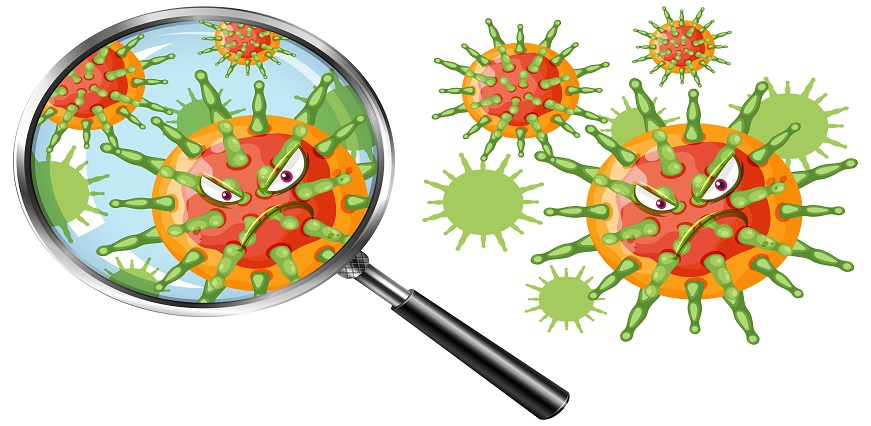
Bacterial infections are more common than you might think, lurking behind everyday ailments and sometimes leading to serious health complications. These tiny organisms can wreak havoc on our bodies if not managed properly. Understanding what a bacterial infection is, along with its symptoms and treatment options, is essential for everyone.
Common Symptoms
Symptoms of Bacterial infection includes –
Types of Bacterial Infections
Bacterial infections can be classified into various types based on the affected area and the specific bacteria involved.
One common type is respiratory infections, such as pneumonia or bronchitis. These often stem from bacteria entering through the airways.
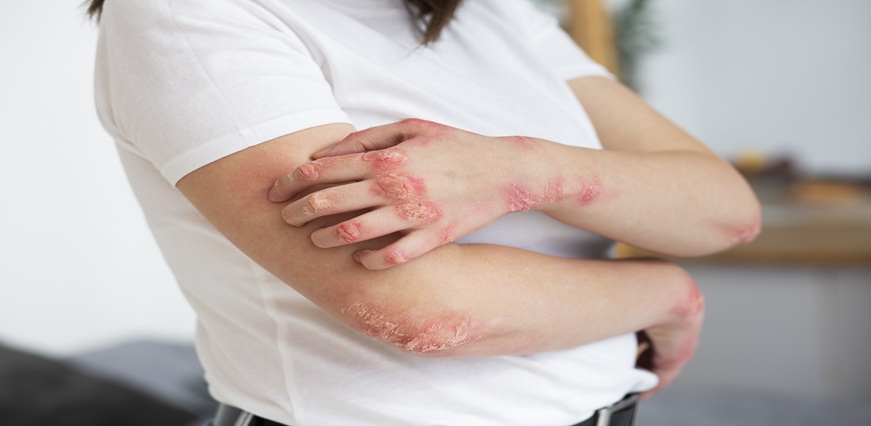
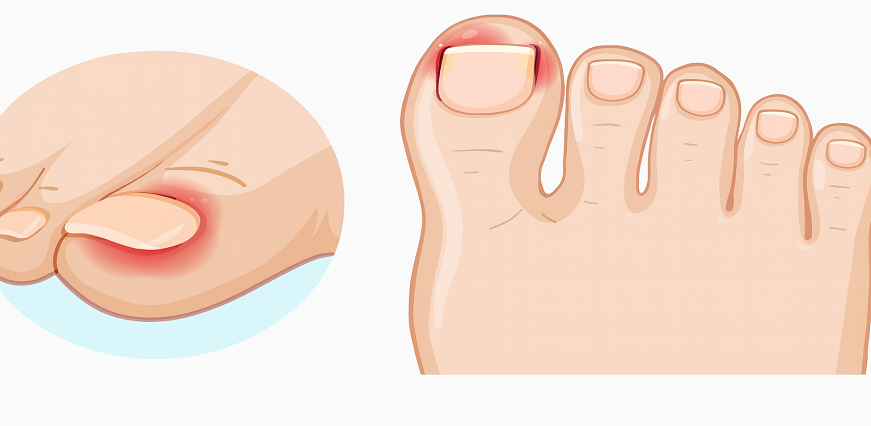
Skin infections are another prevalent category. Conditions like cellulitis and impetigo fall under this group, characterized by redness, swelling, and sometimes pus.
Urinary tract infections (UTIs) also represent a significant concern. They typically occur when bacteria enter the urinary system, causing discomfort and frequent urges to urinate.
Gastrointestinal bacterial infections can cause severe digestive issues. Examples include food poisoning from contaminated food or water.
Causes and Risk Factors for Bacterial Infection
Bacterial infections can arise from various causes and risk factors. One primary factor is exposure to contaminated surfaces or food. Bacteria thrive in unclean environments, making hygiene crucial.
Another significant cause is a weakened immune system. Individuals with chronic conditions or those undergoing treatments like chemotherapy are more susceptible to infections. Stress and lack of sleep can also compromise immunity.
Close contact with infected individuals increases the likelihood of transmission. This includes sharing personal items or being in crowded places without proper sanitation measures.
Certain lifestyle choices play a role too. Poor nutrition, excessive alcohol consumption, and smoking can weaken defenses against bacteria.
Treatment Options for Bacterial Infections
Treatment for bacterial infections often begins with antibiotics. These medications are designed to target and eliminate the specific bacteria causing the infection.
It's crucial, however, that antibiotics are prescribed by a healthcare professional. Misuse can lead to antibiotic resistance, making future infections harder to treat.
In some cases, healthcare providers may recommend additional treatments like pain relievers or anti-inflammatory drugs to manage symptoms. For more severe infections, hospitalization might be necessary.
Topical antibiotics can be effective for skin infections, while other types of treatment may include intravenous antibiotics in clinical settings.
Prevention and Precautions against Bacterial Infections
Preventing bacterial infections is essential for maintaining good health. Simple hygiene practices can make a significant difference. Regular handwashing with soap and water, especially after using the restroom or before meals, helps eliminate harmful bacteria.
Proper food handling is equally crucial. Cooking meat thoroughly and washing fruits and vegetables can prevent foodborne infections. Always pay attention to expiration dates on products too.
Conclusion
Bacterial infections can affect anyone at any time. Understanding their symptoms, causes, types, and treatment options is crucial for effectively navigating these health challenges. Recognizing the signs early can lead to timely medical intervention, reducing complications.
















 To reach our help desk call 7982100200
.png)
Comments