









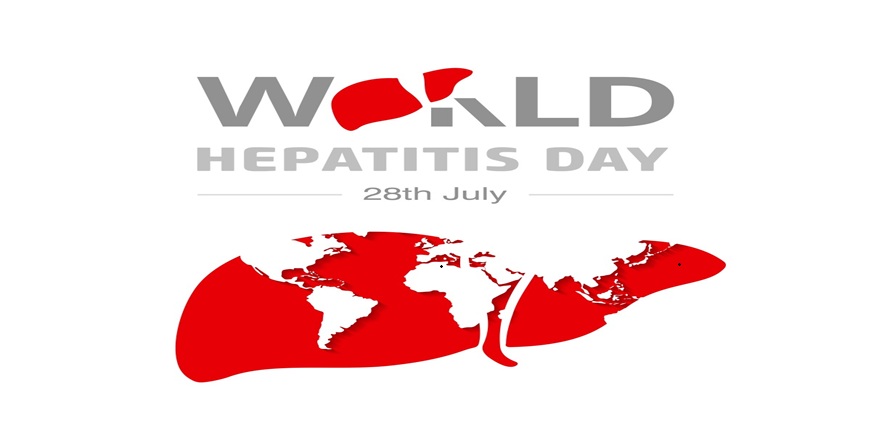
Hepatitis refers to inflammation of the liver and can have several causes, including viral infections. World Hepatitis Day primarily focuses on viral hepatitis, a major global health concern affecting more than 300 million people worldwide and causing over one million deaths every year. Despite its widespread impact, many people living with viral hepatitis remains unaware that they have the infection, as symptoms may not appear until significant liver damage has already occurred.
The good news is that many cases of viral hepatitis can be prevented or effectively treated. We have vaccines, we have cures, we have accurate tests. What we are missing isn't medicine, but awareness. Misinformation, myths, and stigma keep people from getting tested, getting vaccinated, or even talking about it openly, and that silence is exactly what's standing between a world free from hepatitis.
This is where World Hepatitis Day plays an important role.
What Is World Hepatitis Day and Why Is It Observed?
Observed on the 28th of July every year, World Hepatitis Day aims at spreading awareness about viral hepatitis, a group of infections that cause inflammation of the liver and, in some cases, can lead to severe liver disease and liver cancer. The date was chosen because it marks the birthday of Nobel-Prize-winning scientist Dr Baruch Blumberg, who discovered the hepatitis B virus (HBV) and helped develop a diagnostic test and vaccine for it. The World Hepatitis Alliance launched the day in 2008, and in 2010, the World Health Assembly officially recognised World Hepatitis Day as a global public health observance.
Each year has a specific theme. This 2026 theme, "Hepatitis: Let's Break It Down," focuses on breaking the financial, social, and stigma-related barriers that can prevent people from accessing testing and treatment.
The world set a target to eliminate viral hepatitis as a public health threat by 2030, and World Hepatitis Day serves as an important opportunity to assess progress and strengthen global action.
Why Is Hepatitis Still a Global Health Concern?
If effective treatments and preventive measures already exist, why hepatitis remains a major health concern? One of the biggest reasons is the lack of awareness, diagnosis, and access to appropriate care.
Diagnosis rates make the gap obvious. As of 2022 , only 13% of people living with chronic hepatitis B worldwide had been diagnosed. Diagnosis rates for hepatitis C also remain well below global target range. Between 2015 and 2022, only 36% cases of hepatitis C were identified globally.
Stigma also contributes to this gap. As per WHO director-general Tedros Ghebreyesus, many people remain undiagnosed and untreated because of stigma, weak health systems, and unequal access to care. Other practical barriers include:
-
Drug pricing
-
Supply chain disruptions
-
Insufficient capacity within primary healthcare delivery systems
While access to treatment has expanded, diagnosis has not kept pace, making it one of the biggest hurdles to achieving the 2030 elimination targets. If that gap doesn't close, hepatitis is projected to cause more deaths by 2040 than malaria, tuberculosis, and HIV/AIDS combined.
Who Is at Risk of Hepatitis?
While viral hepatitis can affect anyone, some people are more at risk than others. This includes:
-
People who had unprotected sex or multiple partners, particularly in relation to hepatitis B
-
Anyone with a history of injecting drugs or sharing needles
-
People who get tattoos or piercings using non-sterile or unverified equipment
-
Healthcare workers exposed to infected blood or certain bodily fluids on the job
-
Babies born to mothers with hepatitis B
-
People who share personal items that may be contaminated with blood of someone who has hepatitis B or C
-
Travellers to areas with poor water sanitation or unsafe food and water, particularly in relation to hepatitis A and E
-
Anyone who received a blood transfusion or organ transplant before modern screening protocols were widely implemented
If any of these risk factors apply to you, it is best to consult a healthcare professional about when hepatitis screening is appropriate.
Why Early Detection of Hepatitis Matters
Early detection of viral hepatitis can help ensure timely treatment and reduce the risk of serious complications.
With timely diagnoses, you may benefit in several ways:
-
Further liver damage may be prevented: Early diagnosis and appropriate treatment can help reduce disease progression before it gets worse.
-
Treatment can begin sooner: early treatment can help control or clear certain hepatitis infections before serious complications develop.
-
Liver cancer risk drops: managing chronic viral hepatitis can help lower the risk of cirrhosis, liver cancer, or liver failure.
-
Risk of transmission is reduced: Knowing your status allows you to take appropriate precautions and seek treatment where indicated.
-
Long-term health outcomes may improve: Regular monitoring and appropriate treatment can help protect liver health and reduce the risk of complications.
How Is Hepatitis Diagnosed?
Some of the common methods used to diagnose hepatitis include:
-
Blood tests to detect viral antigens, antibodies, or genetic material and identify active infection or past exposure
-
Liver function tests to check signs of liver inflammation or damage
-
Viral load testing to measure the amount of virus present and help guide the management of hepatitis B and C
-
Imaging tests, such as ultrasound or elastography, to assess liver health and check for scarring in certain cases
-
Liver biopsy, which is used less frequently now, but may still be recommended in specific cases
How Can You Help Prevent Hepatitis?
Here are some measures that can help in hepatitis prevention:
-
Get vaccinated against hepatitis A and B
-
Practice safe sex, and avoid sharing needles, razors, or toothbrushes
-
Ensure sterile equipment is used for tattoos, piercings, and medical or dental procedures
-
Drink clean water and follow good food hygiene practices, particularly while travelling
-
Limit alcohol consumption, as it adds stress to a liver already fighting infection
-
Get tested periodically if you belong to a higher-risk group
-
Exercise regularly, eat a balanced diet, and maintain a healthy weight to avoid a fatty liver
Common Myths and Facts About Hepatitis
Here are some common hepatitis myths and facts that everyone should know:
-
Myth: All types of hepatitis are equally serious.
Fact: They are not. Hepatitis A usually causes a short-term infection and does not become chronic. Hepatitis B can become chronic in only a small share of infected adults. Hepatitis C is the concerning one: most people who catch it go on to develop a chronic infection that can eventually lead to cirrhosis, liver cancer, and other serious complications.
-
Myth: Hepatitis C is rare.
Fact: Tens of millions of people worldwide live with hepatitis C, and for years it was the leading infectious-disease killer in the U.S., until COVID-19 briefly overtook it.
-
Myth: You can catch hepatitis C through kissing, hugging, or sharing utensils.
Fact: No, you can't. Hepatitis C primarily spreads through contact with infected blood. It is not spread through casual contact such as hugging, kissing, coughing, sneezing, or sharing utensils.
-
Myth: Women with hepatitis C cannot breastfeed.
Fact: Hepatitis C is not known to spread through breast milk. However, if the nipples are cracked or bleeding, healthcare professionals may recommend temporarily stopping breastfeeding until they have healed.
-
Myth: Hepatitis is genetic and runs in families.
Fact: Viral hepatitis is caused by viruses and is not inherited genetically. However, some types, particularly hepatitis B, can be transmitted from mother to baby during childbirth, which happens in a small minority of cases.
-
Myth: Once you're cured of hepatitis C, you can't get it again.
Fact: You can be reinfected. Recovering from the infection does not provide lasting immunity, so preventive measures remain important.
Conclusion
Viral hepatitis presents an unusual global health challenge: effective vaccines, diagnostic tests, and treatments are available for several forms of the disease. However, many people still remain undiagnosed or do not have timely access to prevention and treatment. World Hepatitis Day serves as a reminder that early detection can truly save lives.
So, if you have risk factors, unexplained liver problems, or persistent symptoms, don’t delay medical hepatitis screening. Early diagnosis can not only save you but also those around you.

















 To reach our help desk call 7982100200
.png)