









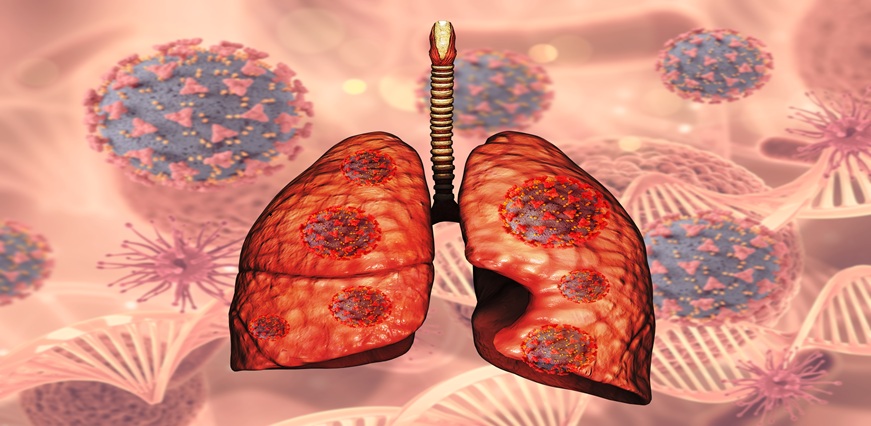
Lung cancer is one of the most common cancers globally, accounting for nearly one in five cancer-related deaths. Yet, despite how serious it is, a large number of cases remain undiagnosed until the disease has already advanced significantly. This delay is often driven by limited public understanding, insufficient screening practices, and the social stigma that surrounds the illness. Additionally, many people continue to assume that lung cancer is caused solely by smoking, which leads them to overlook other significant contributing factors.
Here’s more information on why raising awareness matters so much and how early diagnosis can change outcomes.
What is World Lung Cancer Day?
Observed annually on the 1st of August, World Lung Cancer Day aims at informing the public about the disease, highlight its early warning signs, challenge the stigma attached to it, and encourage prompt diagnosis and treatment. On this occasion, hospitals, healthcare organisations, government bodies, and patient advocacy groups run awareness drives, host health seminars, organise screening camps, and roll out educational programs aimed at helping communities understand the importance of early detection.
Why Should Lung Health Be a Priority?
The human lungs contain roughly 1,500 miles of airways alongside about 300 million microscopic air sacs known as alveoli, all working together to move oxygen into the bloodstream. Oxygen fuels nearly every bodily function, powering the brain, muscles, and organs alike. When oxygen supply is inadequate, the body cannot operate at full capacity, and even basic daily activities can become draining.
Compromised lung function directly affects quality of life. Persistent coughing, breathlessness, or repeated infections can restrict a person's ability to work, stay active, or spend time with loved ones. Poor lung health can significantly affect quality of life and may be associated with serious respiratory conditions such as chronic obstructive pulmonary disease (COPD) and lung cancer.
Understanding Lung Cancer Risk Factors
A common misconception is that lung cancer exclusively affects smokers. While smoking remains the primary cause, it is far from the only one. Research has increasingly connected the disease to additional factors that are frequently underestimated, ranging from environmental pollution to workplace hazards and hereditary predisposition.
Air Pollution
Sustained exposure to contaminated air, especially in densely populated urban centres or industrial zones, has been associated with a greater likelihood of developing lung cancer. Harmful pollutants, including fine particulate matter (PM2.5) and vehicle or factory emissions, can progressively affect lung health and elevate disease risk over time.
Workplace Hazards
Certain occupations expose workers to substances that pose respiratory dangers with prolonged inhalation. Notable examples include asbestos, historically common in construction and shipbuilding, which can cause lasting lung damage; diesel exhaust, a concern for those in transportation or mining sectors; and substances such as silica and arsenic, which may be encountered in certain industrial and manufacturing environments. While protective gear and workplace safety protocols can lower these risks, they cannot always eliminate them entirely.
Radon Gas Exposure
Radon is a naturally occurring radioactive gas released from soil and rock formations. It can seep into buildings through foundation cracks and accumulate to potentially harmful concentrations indoors, particularly poorly ventilated spaces. Among non-smokers, prolonged radon exposure is an important risk factor for lung cancer. Since radon concentrations differ by geographic region, testing is recommended in certain regions and countries.
Hereditary and Family Factors
Individuals with relatives who have had lung cancer may face an elevated personal risk, particularly when the family history involves close relations. This connection can stem from inherited genetic variations or shared environmental exposures, such as household smoking habits or regional pollution levels. In certain instances, people inherited genetic factors may also increase susceptibility to the disease.
Why Early Detection of Lung Cancer Matters?
The stage at which lung cancer is identified strongly influences a patient's prognosis. Those diagnosed early may have access to a wider range of treatment options and generally have better survival outcomes compared with patients whose diagnosis comes at a later stage.
When is Lung Cancer Screening Recommended?
Screening recommendations may vary by country and individual risk profile. According to guidelines set by the U.S. Preventive Services Task Force (USPSTF), annual low-dose CT (LDCT) screening is recommended for individuals between 50 and 80 years of age who have a smoking history equivalent to 20 pack-years and either currently smoke or quit within the past 15 years.
Routine LDCT screening is generally not recommended under USPSTF guidelines for people who do not meet these eligibility criteria. Individuals should consult their healthcare provider to determine whether lung cancer screening is appropriate based on their personal risk factors.
How is Lung Cancer Diagnosed?
Lung cancer is one of the leading causes of cancer-related deaths, and early detection plays a vital role in improving treatment outcomes. If lung cancer is suspected, doctors may recommend the following tests and scans for better diagnosis of lung cancer:
Imaging tests for Lung Cancer
Chest X-Ray: A chest X-ray may be one of the initial tests recommended when lung cancer is suspected. In some cases, lung tumours may appear as abnormal masses or areas on an X-ray. However, a chest X-ray alone cannot confirm a lung cancer diagnosis or reliably distinguish cancer from certain other lung conditions. Further testing is usually required.
CT Scan: A CT scan provides detailed cross-sectional images of the lungs and can help detect abnormal growths or nodules, including those that may not be visible on a standard X-ray. It can also provide information about the size, shape, and location of a tumour and help doctors assess whether the cancer may have spread to nearby structures.
PET scan: A doctor may recommend a PET scan to identify areas of increased metabolic activity and help assess whether cancer has spread to other parts of the body. A small amount of a radioactive tracer is injected into the bloodstream, which can help highlight areas of increased cellular activity during the scan.
Biopsy and Laboratory Tests
Biopsy: A biopsy may be recommended to confirm the presence of lung cancer. During this procedure, a tissue sample is collected and examined under a microscope for cancer cells. Several procedures may be used to collect tissue samples, including:
Bronchoscopy: Bronchoscopy is a minimally invasive technique that helps the doctors examine the inside of the airways and lungs. A thin tube called a bronchoscope, equipped with a light and a camera, is used to examine the airways and, when required, collect tissue samples.
Thoracoscopy: Thoracoscopy may be performed to examine and diagnose conditions affecting the lungs and other structures within the chest. During the procedure, a thin instrument with a camera and light is used to examine the chest cavity and, when required, collect tissue samples for further testing.
Biopsies, along with other tests, help lung cancer specialists determine the type of lung cancer, such as small cell lung cancer or non-small cell lung cancer.
Molecular testing: Molecular testing may also be performed after certain types of lung cancer, particularly non-small cell lung cancer, are confirmed. It can identify relevant biomarkers and genetic alterations involving genes such as EGFR, KRAS, ALK, and ROS1, which may help guide treatment decisions.
Tips to Protect Lung Health and Reduce the Risk of Lung Cancer
Listed below are simple lifestyle habits that can help support lung health and reduce certain risk factors.
Stay Away from Active and Passive Smoking: Quitting smoking is the single most effective step towards reducing the risk of lung cancer and protecting lung health. Cigarette smoke can damage the airways and lungs over time, increasing the risk of both lung cancer and COPD. Second-hand smoke also carries health risks, and minimising exposure to it wherever possible supports better long-term lung health.
Maintain a Nutritious Diet and Stay Hydrated: A well-balanced diet supports overall health, while adequate hydration can help keep airway mucus less thick and easier to clear. These habits can support general well-being as part of a healthy lifestyle.
Schedule Regular Medical Check-Ups: Routine medical check-ups can help identify potential health concerns, while persistent or unexplained respiratory symptoms should be reported to a doctor promptly. People at higher risk should also discuss diagnostic tests for lung cancer for proper screening with a healthcare professional.
Limit Exposure to Air Pollution: Outdoor air pollution can negatively affect lung health. Fine particulate matter and other airborne pollutants are among the key concerns. Staying informed about local air quality can help you take appropriate precautions when pollution levels are high.
Conclusion
World Lung Cancer Day serves as a reminder that lung cancer often progresses silently until it reaches an advanced, harder-to-treat stage. Persistent symptoms like a lingering cough or unexplained breathlessness should never be dismissed. Anyone experiencing these signs, or carrying known risk factors, should seek medical guidance without delay.
















 To reach our help desk call 7982100200
.png)
Comments