








Infertility is a major issue that affects thousands of men and women around the world. It can occur due to several factors, including hormonal disorders, age-related changes, underlying medical conditions, unhealthy lifestyle habits, etc. Sometimes, there is no clear reason for infertility, and this condition is called unexplained infertility.
Today, there are several treatment options available, with In Vitro Fertilisation (IVF) being one of the widely used assisted reproductive techniques (ART). This technique was introduced to the world by British scientist Robert Edwards and gynaecologist Patrick Steptoe. Their work led to the birth of Louise Joy Brown, the world's first baby conceived through IVF, on July 25, 1978.
Now, that day is observed as World IVF Day every year. The main aim of this annual observance is to highlight the contribution of IVF and raise awareness about other assisted reproductive technologies.
What is IVF?
In Vitro Fertilisation, commonly referred to as IVF, is an assisted reproductive technique. In this process, an egg is fertilised by sperm outside the body in a specialised laboratory. After fertilisation, the developing embryo is monitored for a few days before a suitable embryo is selected for transfer to the uterus.
When is IVF Recommended?
IVF is usually recommended to couples or individuals who are struggling to conceive naturally. A few common situations where doctors may suggest this treatment include:
-
Blocked or damaged fallopian tubes
-
Endometriosis
-
Polyendocrine metabolic ovarian syndrome (PMOS), or other ovulation-related conditions
-
Uterine fibroids
-
Risk of passing on certain genetic diseases or disorders
-
Unexplained infertility
-
Low Egg Count
-
Low sperm count or motility
Apart from these conditions, IVF is also be suggested to people who want to conceive with the help of donor eggs.
IVF Process: Step by Step Stages of an IVF Cycle
The complete IVF treatment includes several carefully planned stages. While the exact timeline can vary from one individual to another, here is a general overview of how the IVF procedure progresses day by day:
-
Fertility Testing: The IVF journey begins with a consultation where the doctor may suggest a few blood tests, ultrasounds, and other fertility assessments.
-
Ovarian Stimulation: Daily hormone injections are given for several days. This step is to encourage multiple follicles to mature simultaneously.
-
Monitoring: During ovarian stimulation, blood tests and ultrasound scans are performed at regular intervals. This is done to track follicle growth so that the medication can be adjusted accordingly.
-
Egg Retrieval: Once the follicles are ready, the eggs are collected from the ovaries using a fine needle. The process is generally performed under sedation or anaesthesia and guided by ultrasound.
-
Fertilisation: The collected eggs are combined with sperm in the embryology laboratory to facilitate fertilisation.
-
Embryo Culture: The fertilised eggs are kept it the incubator and monitored as they develop into embryos over the next few days. This helps the doctor pick the suitable embryo and decide the appropriate embryo transfer day for IVF.
-
Embryo Transfer: The selected embryo is placed into the uterus using a thin catheter. In some cases, more than one embryo may be transferred based on individual circumstances and medical advice.
-
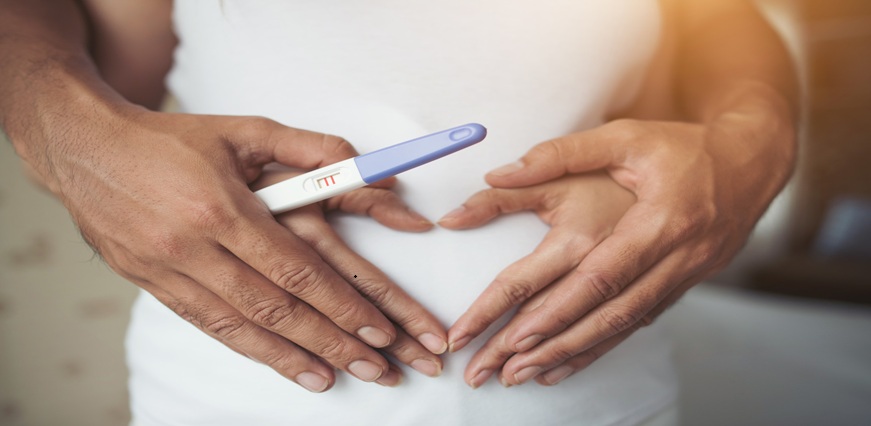
Pregnancy Test: A blood test is usually performed around 9 to 14 days after the embryo transfer to check for pregnancy.
Which Tests Are Recommended Before and During IVF?
Depending on an individual’s medical history, fertility concerns, and treatment plan, a doctor may recommend some of the following tests:
Pre-Treatment Tests:
-
Ovarian Reserve Testing
-
FSH (Follicle-Stimulating Hormone)
-
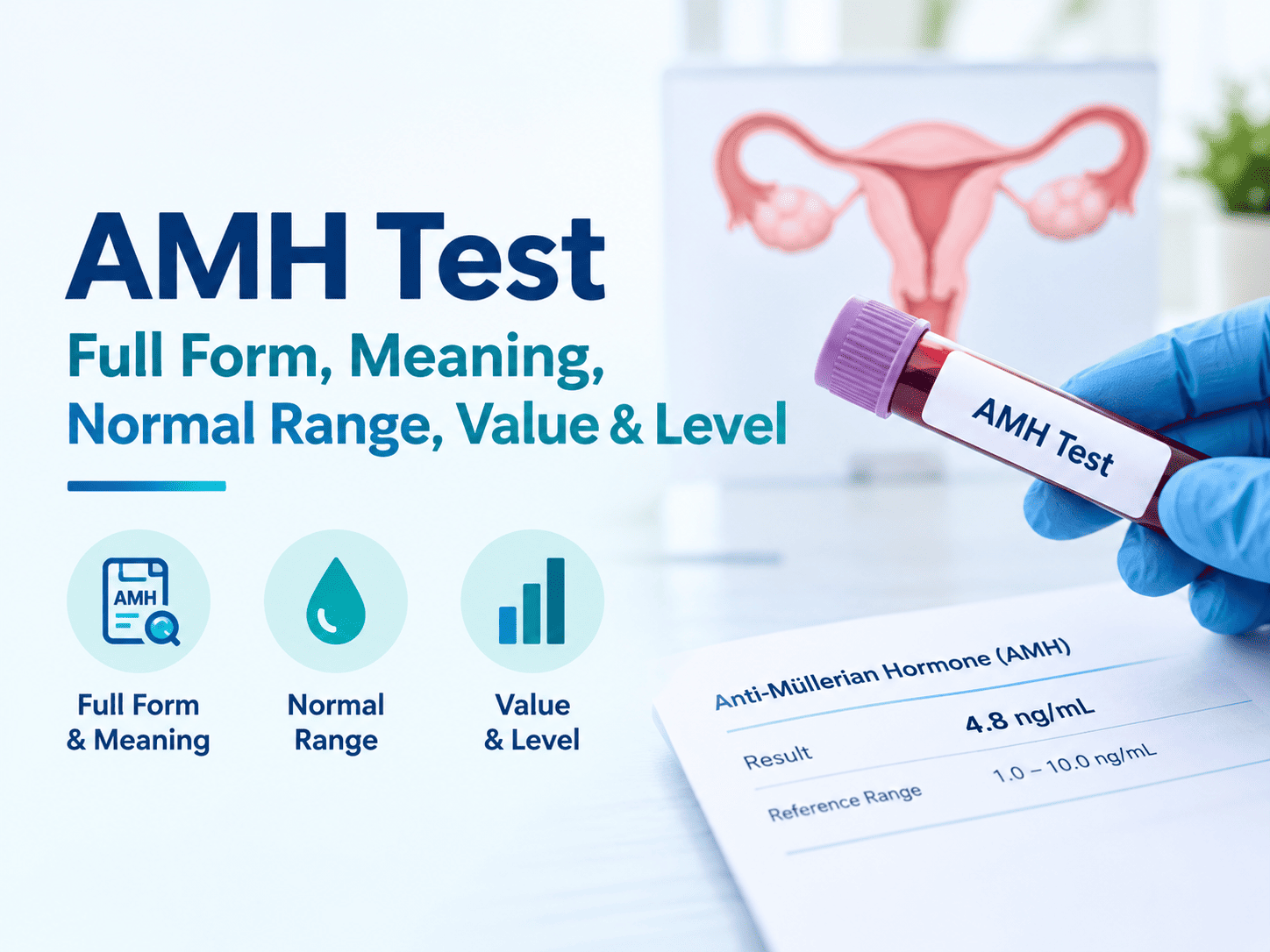
AMH (Anti-Müllerian Hormone)
-
Estradiol
-
AFC (Antral Follicle Count)
-
-
Semen Analysis
-
Infectious Disease Screening
-
HIV
-
Hepatitis B and C
-
Syphilis
-
Rubella immunity
-
-
Tubal & Uterine Evaluation:
-
Tubal Patency Test (HSG)
-
Ultrasound or Sonohysterography
-
Hysteroscopy
-
-
Hormonal & General Blood Tests
-
Thyroid-Stimulating Hormone (TSH)
-
Prolactin
-
Blood Sugar & HbA1c
-
Vitamin D and other nutrients
-
-
Genetic Testing (If indicated)
Tests After Embryo Transfer and During Early Pregnancy:
-
Beta hCG test
-
Other Prenatal screenings
What Factors Affect IVF Success?
There are several biological and medical factors that can influence the chances of an IVF procedure’s success. These include: in vitro fertilization success rate by age
-
Age: Maternal age is one of the important factors influencing the success rate of in-vitro fertilization. Women under 35 generally have higher success rates because egg quality and ovarian reserve tend to decline with age.
-
Egg Quality: Healthy eggs increase the likelihood of successful fertilisation and embryo development.
-
Sperm Quality: Sperm count, motility, and morphology are among the key factors that can influence the chances of fertilisation.
-
Lifestyle: Lifestyle factors such as smoking, excessive alcohol consumption, poor nutrition, chronic stress, and lack of physical activity may affect fertility and influence IVF outcomes.
What are the Possible Risks of IVF?
-
Multiple Pregnancies: Multiple pregnancy can occur when more than one embryo is transferred during IVF. This can increase the risk of complications such as premature birth.
-
Miscarriage: As with naturally conceived pregnancies, IVF pregnancies also carry a risk of miscarriage.
-
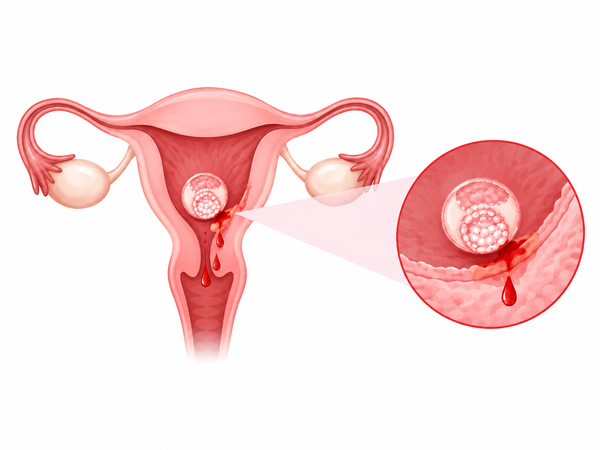
Ectopic pregnancy: This happens when an embryo implants outside the uterus, most commonly in a fallopian tube.
-
Complications During Egg Retrieval: Although egg retrieval is generally considered safe, potential complications can include bleeding or infection.
-
Ovarian Hyperstimulation Syndrome (OHSS): OHSS is a potential complication of the medications used to stimulate the ovaries. It can cause symptoms such as abdominal pain, nausea, vomiting, diarrhoea, bloating, etc. Severe symptoms, such as shortness of breath ore reduced urination, require prompt medical attention.
Common Myths about IVF
While the concept of IVF has been around for several years now, there are still many myths associated with it, such as:
Myth 1: IVF is only for female infertility
IVF can be used to address both male and female infertility. From blocked fallopian tubes to low sperm count or motility, this treatment is advised in all kinds of situations.
Myth 2: IVF always leads to multiple babies.
While multiple pregnancies can occur with IVF, especially when more than one embryo is transferred, this is not always the case.
Myth 3: IVF causes birth defects.
Most babies conceived through IVF are born healthy. However, pregnancy outcomes can be influenced by several factors, including parental age, underlying fertility conditions, and multiple pregnancies.
Myth 4: IVF is a painful procedure.
IVF is generally not considered highly painful, although certain stages can cause temporary discomfort.
Myth 5: The female requires bed rest throughout the pregnancy.
Bed rest is not routinely required throughout pregnancy simply because conception occurred through IVF. Most women can resume their usual activities after the procedure, based on their doctor's advice.
World IVF Day, observed every year on 25th July, highlights the remarkable advances made in fertility treatment worldwide. Over the past few years, IVF has helped millions of people overcome different causes of infertility. Understanding the basics of IVF, such as the procedure, recommended tests, factors affecting the success, and possible risks is important for those planning to undergo this treatment.












 To reach our help desk call 7982100200
.png)