




Home Sample Collection

Highly Trained Staff & Doctors

Same Day Reports Over Email

Zero Contamination QualiCare Kit

Home > Category > Cancer Test > Cancer Test in Delhi
Showing 1 - 15 of 201
Cancer tests are done to help determine whether a patient may have cancer. Detecting cancer at an early stage can help doctors plan appropriate treatment and monitor the condition and response to treatment.
Doctors may recommend a cancer test in Delhi if you show certain symptoms or have risk factors associated with cancer. Cancer is a genetic disease caused by changes in genes that can affect the growth and division of cells.
Some symptoms that may require medical evaluation include:
Fatigue
Lump or area of thickening that can be felt under the skin
Unexplained weight loss or weight gain
Skin changes, such as yellowing, darkening, or redness
Changes in bowel or bladder habits
Persistent cough or trouble breathing
Doctors may recommend different tests depending on the suspected type of cancer and the symptoms.
Physical Exam
A doctor may examine the body for abnormalities, such as changes in skin colour, lumps, or enlargement of an organ that may require further investigation.
Laboratory Tests
Doctors may recommend blood or urine tests as part of the evaluation. These tests can provide information that may help identify certain health conditions and support further diagnosis.
Imaging Tests
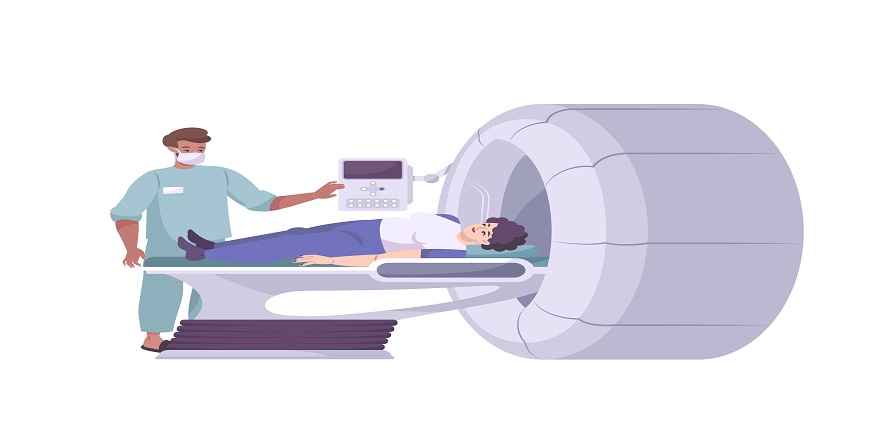
Imaging tests may include CT scans, bone scans, MRI scans, PET scans, ultrasounds, and X-rays.
Biopsy
A biopsy may be recommended depending on the symptoms and suspected cancer. During a biopsy, a sample of cells or tissue is collected and examined in a laboratory.
Cancer is a genetic disease caused by changes in genes that affect cell growth. Some factors that may increase the risk of cancer include:
Smoking
Radiation exposure
Certain viruses
Cancer-causing chemicals or carcinogens
Obesity
Hormonal factors
Chronic inflammation
Lack of physical activity
Symptoms can vary depending on the type of cancer. Some common symptoms include:
Fatigue
Lump or area of thickening under the skin
Unexplained weight loss or weight gain
Skin changes
Changes in bowel or bladder habits
Cough or trouble breathing
Indigestion or discomfort after eating
Muscle or joint pain
Fever or night sweats
Unusual bleeding or bruising
Cancer risk can vary from person to person. Some factors that may influence the risk include:
Age
Lifestyle habits
Family history
Existing health conditions
Environmental exposure
Certain lifestyle choices may help reduce the risk of some types of cancer. These include:
Avoid tobacco
Eat a healthy and balanced diet
Maintain a healthy weight and stay physically active
Protect your skin from excessive sun exposure
Get regular medical check-ups as recommended
Cancer treatment depends on the type and stage of cancer and other individual factors. Based on the diagnosis and test results, a doctor may recommend treatments such as:
Biomarker testing to guide cancer treatment
Chemotherapy
Hormone therapy
Hyperthermia
Immunotherapy
Photodynamic therapy
Radiation therapy
Stem cell transplant
At Max Lab, you can book a cancer test in Delhi online and choose convenient sample collection options, subject to test availability. Test reports are generated according to the applicable test turnaround time after sample collection and can be collected from the lab or accessed online through the Max Lab website.
It is recommended to share your cancer test report with your doctor so they can interpret the results and guide you about further testing or treatment, if required.
Several tests are used to detect cancer, depending on the type and location of cancer. Common cancer detection tests may include imaging tests like X-rays, CT scans, MRIs, and PET scans. Doctors may also prescribe a biopsy, tumour markers, endoscopic exams, etc., depending on the stage and course of the treatment.
One of the important aspects of cancer detection is regular screenings. This can involve various methods such as imaging tests, Pap tests, endoscopies, etc. These screenings help in early detection and prevention.
The answer is yes. In some cases, a blood test can help detect cancer. By analysing specific markers in the blood, healthcare providers can identify abnormalities that may indicate the presence of cancer cells.
While there are no definitive home testing methods for diagnosing cancer, individuals can perform self-examinations to regularly check for any unusual lumps or changes in their bodies. For instance, conducting breast self-exams or monitoring moles for irregularities can aid in the early detection of potential issues.
A Complete Blood Count (CBC) is a common test that can give valuable information about your overall health. While a CBC can detect specific abnormalities in the blood, it is not typically used as a definitive diagnostic tool for cancer.
The most significant symptom of cancer can vary depending on the type and stage of the disease. It's crucial to be aware of any unusual changes in the body that persist or worsen over time. While some cancers may present with obvious symptoms like lumps, others might manifest as unexplained weight loss, fatigue, or persistent pain.
One way to reduce the risk of developing cancer is by adopting a healthy lifestyle. This includes eating a balanced diet rich in fruits and vegetables, exercising regularly, and avoiding consumption of tobacco.
Surgical procedures are often performed to remove tumours or affected tissues. Chemotherapy involves using drugs to kill cancer cells throughout the body, while radiation therapy uses high-energy rays to target and destroy cancer cells.
Colon cancer or colorectal ...Read More

Sarcoma is a rare type of cancer that forms tumors in the body’s connec...Read More

Every year, millions of lives are affected by cancer. It is not just statisti...Read More

Heart cancer is often overshadowed by more common types of cancer, yet it des...Read More

Prostate cancer (PCa) is one of the most common cancers foun...Read More

Skin cancer is one of the most common types of cancer globally, affecting mil...Read More
Myeloma, also known as Kahler’s Disease, is a type of cancer that devel...Read More

In this blog post, we embark on an enlightening journey through the world of ...Read More

If you or a loved one has recently been diagnosed with this rare form of bloo...Read More

Breast cancer starts in breast tissue. It develops in the ducts or lobules of...Read More
In a human’s lifetime, the cells in their body grow, divide, and die co...Read More
Cancer screening tests can help save millions of lives as early detection, in...Read More
.png)

 SORT
SORT










 To reach our help desk call 7982100200