







 Size
Size
Week 4 of Pregnancy
Pregnancy Week 4 is often when many people first realise they might be pregnant, as this is typically around the time of a missed period. Healthcare providers calculate pregnancy from the first day of your last menstrual period, and by week 4 the blastocyst has usually completed implantation.
Understanding week 4 of pregnancy can help you know what is happening in your body and what steps to take if you suspect you may be pregnant.
What Happens During Week 4 of Pregnancy?
During week 4, the blastocyst fully embeds into the uterine lining, and the outer cells begin forming the early placenta. Once implanted, the developing embryo begins producing human chorionic gonadotropin (hCG), the hormone detected by pregnancy tests.
This is often the earliest point at which a pregnancy can be reliably confirmed, and it is when a missed period commonly prompts people to consider testing.
What Are the Symptoms of Pregnancy in Week 4?
As hCG levels begin to rise, early pregnancy symptoms may start to appear this week, though many people still notice very little at this stage.
-
Missed Period
A missed period is often the first noticeable sign of pregnancy during week 4.
-
Implantation Spotting or Cramping
Light spotting or mild cramping can occur as the embryo implants into the uterine lining.
-
Breast Tenderness
Rising hormone levels can make breasts feel swollen, sore or sensitive.
-
Fatigue
Increasing progesterone levels can cause noticeable tiredness.
-
Frequent Urination
Rising hCG and increased blood flow to the pelvic area can lead to more frequent bathroom trips.
Baby Development in Week 4
-
Implantation Completes
The blastocyst fully embeds into the uterine lining, and the outer cells begin forming the early placenta.
-
Embryo Formation Begins
The inner cell mass of the blastocyst develops into the embryo, which will continue to grow throughout pregnancy.
-
Neural Tube Begins Forming
The earliest structure of the neural tube, which will later become the brain and spinal cord, begins to take shape.
How Does Your Body Change During Week 4?
Week 4 is mainly characterised by rising hCG levels, which signal the body that pregnancy has begun.
-
Rising hCG Levels
Once implantation occurs, the body begins producing hCG, which signals the ovaries to stop releasing eggs and supports the uterine lining.
-
Menstruation Stops
hCG prevents the uterine lining from shedding, which is why a period does not arrive.
-
Hormonal Shifts Begin
Rising progesterone and estrogen levels start to trigger the earliest symptoms of pregnancy.
CTA: Missed your period? Explore pregnancy confirmation and blood test packages at Max Lab.
What Should You Eat During Week 4 of Pregnancy?
Nutrition becomes especially important in week 4, as the neural tube is beginning to form and the embryo relies entirely on nutrients from your body.
-
Include Folic Acid-Rich Foods
Folate is critical this week, as it directly supports healthy neural tube development. Include foods such as spinach, broccoli, lentils, beans, avocado and fortified cereals.
-
Choose Iron-Rich Foods
Iron supports your increasing blood volume and oxygen delivery to the developing embryo. Good sources include lean meat, beans, chickpeas, lentils and spinach.
-
Include Protein in Your Diet
Protein supports rapid cell growth and tissue formation. Eggs, fish, chicken, paneer, tofu, beans and lentils can provide protein as part of a balanced diet.
-
Eat Plenty of Fruits and Vegetables
Fruits and vegetables provide vitamins, minerals and dietary fibre. Include a variety of seasonal produce such as oranges, apples, bananas, carrots and tomatoes.
-
Choose Whole Grains and Calcium-Rich Foods
Whole grains such as oats, brown rice and whole-wheat products provide fibre and other nutrients. Milk, yoghurt and cheese can contribute calcium.
What Foods and Substances Should You Avoid?
Once pregnancy is suspected or confirmed, avoiding certain substances and foods becomes especially important for your developing embryo.
-
Alcohol and Tobacco
Avoid alcohol and smoking completely, as they can harm the developing embryo and affect oxygen and nutrient supply.
-
Excessive Caffeine
Keep caffeine intake within the limits recommended by your healthcare provider.
-
Raw or Undercooked Foods
Choose properly cooked foods and follow good food-safety practices, avoiding raw or undercooked meat, eggs and unpasteurised dairy.
-
Highly Processed Foods
Limit foods that are high in added sugars, excess salt and unhealthy fats, and focus instead on a varied, nutrient-rich diet.
Exercise During Week 4 of Pregnancy
Gentle exercise can continue to support your health, though it is a good time to start being mindful of overexertion and overheating.
Choose activities that are comfortable for your fitness level, and avoid suddenly starting strenuous exercise without appropriate guidance.
-
Walking and Gentle Exercise
Walking is a simple, low-impact way to stay active and can easily be incorporated into your daily routine.
-
Stretching and Yoga
Gentle stretching and suitable prenatal yoga practices can support flexibility and relaxation during early pregnancy.
How Can You Prepare for a Healthy Pregnancy?
Week 4 is a useful time to confirm your pregnancy and begin building the habits that will support you throughout the coming months.
-
Confirm Your Pregnancy - Take a home pregnancy test if you have missed your period, and follow up with your doctor to confirm.
-
Schedule a Prenatal Visit - Contact your healthcare provider to schedule your first prenatal appointment.
-
Review Medications - Check with your doctor about which medications and supplements are safe to continue during pregnancy.
-
Get Adequate Sleep - Aim for 7 to 9 hours of quality sleep each night to support your changing body.
-
Manage Stress - Practice relaxation techniques such as meditation, gentle yoga or deep breathing.
What Tests and Checkups Are Useful During Week 4?
Testing becomes more relevant this week, as hCG levels are typically high enough to be detected reliably.
-
Home Pregnancy Test
A urine-based home pregnancy test can often detect pregnancy around the time of a missed period.
-
Beta-hCG Blood Test
A blood test can confirm pregnancy and measure hCG levels more precisely than a urine test.
-
First Prenatal Visit Scheduling
This is a good time to schedule your first prenatal appointment with your healthcare provider.
Week 4 Pregnancy Care Tips
A few simple habits can help you care for yourself and your developing embryo this week:
-
Confirm your pregnancy with a home test and follow up with your doctor.
-
Start or continue taking prenatal vitamins with folic acid.
-
Maintain a balanced, nutrient-dense diet.
-
Avoid alcohol, smoking and unapproved medications.
-
Get plenty of rest.
-
Stay hydrated throughout the day.
-
Avoid strenuous or high-impact activity.
-
Schedule your first prenatal appointment.
When Should You Consult a Doctor?
Some symptoms should not be attributed to a normal cycle without medical evaluation. Speak with a healthcare provider if you experience heavy bleeding, severe abdominal cramping, high fever, severe dizziness or fainting, or unusual vaginal discharge.
If you have an existing health condition or take regular medication and have confirmed you are pregnant, discussing your health with a healthcare provider promptly is recommended.
Frequently Asked Questions About Pregnancy Week 4
-
Is Week 4 of pregnancy actually pregnancy?
Yes. By week 4, implantation has generally occurred and hCG levels are rising, making this an important early confirmation point for pregnancy.
-
What are the symptoms of pregnancy at 4 weeks?
A missed period is often the first sign, along with possible implantation spotting, breast tenderness, fatigue and mild nausea for some people.
-
Can I take a pregnancy test in week 4?
Yes. Many home pregnancy tests can detect pregnancy around the time of a missed period, which usually falls in week 4.
-
Is spotting normal in week 4?
Light spotting can occur during implantation and is usually harmless, but heavy bleeding should be reported to your doctor.
-
Can a blood test detect pregnancy during Week 4?
Yes. A beta-hCG blood test can confirm pregnancy and measure hormone levels more precisely than a urine test at this stage.
-
What should I eat during Week 4?
Focus on folic acid-rich foods, along with protein, iron and calcium-rich foods, fruits and vegetables, since the neural tube begins forming this week.
-
Can I exercise during Week 4?
If you are healthy and have no medical restrictions, gentle activities such as walking and prenatal yoga can support overall fitness during this stage.
Baby Development
- Implantation may occur and pregnancy hormone levels begin to rise.
- Early organs and body systems are developing rapidly, so regular prenatal care is important.
Changes in Mother
- Tiredness, nausea, breast tenderness, food aversions, and mood changes can be common.
- Symptoms vary widely; speak with your doctor if discomfort is severe or worrying.
Pregnancy Due Date Calculator
Get ready for your baby's arrival with helpful pregnancy calculators.
Common Symptoms
Care Tips This Week
- Take a pregnancy test
- Schedule a doctor visit
- Avoid self-medication



Pregnancy Foods
Explore trimester-wise food guidance for a balanced pregnancy diet.

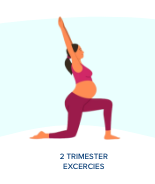
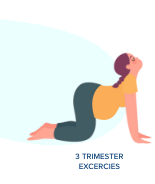
Pregnancy Exercise
Find trimester-wise exercise tips and safe activity ideas during pregnancy.
Recommended Pregnancy Tests
These are common checks for this stage. Always follow your doctor's advice for the exact tests and timing.
Book Pregnancy Tests








 To reach our help desk call 7982100200
.png)