





 Size
Size
Week 1 of Pregnancy
Pregnancy Week 1 marks the beginning of the pregnancy timeline, although conception has generally not occurred yet. Healthcare providers calculate pregnancy from the first day of your last menstrual period (LMP), which means the first two weeks are counted even though fertilisation typically happens later. During this time, your body is preparing for ovulation and a possible pregnancy.
Understanding week 1 of pregnancy can help you know what is happening in your body and what steps you can take to prepare for the weeks ahead. This is a good time to focus on healthy habits, balanced nutrition, regular physical activity and preconception care to support your health before conception.
What Happens During Week 1 of Pregnancy?
During the first week of the pregnancy timeline, your body is going through the early part of the menstrual cycle. The uterus sheds its previous lining during menstruation, while hormonal activity begins preparing the ovaries for the next ovulation.
Several follicles in the ovaries begin developing, and one dominant follicle will eventually release an egg. If sperm fertilises the egg later in the cycle, pregnancy can occur.
What Are the Symptoms of Pregnancy in Week 1?
Most people do not experience pregnancy-specific symptoms during week 1 of pregnancy because fertilisation and implantation generally have not happened yet. The 1st week pregnancy symptoms you notice are more likely to be associated with your menstrual period and normal hormonal changes rather than pregnancy itself.
You may experience mild abdominal cramps as the uterus sheds its lining. Hormonal fluctuations can also contribute to bloating, breast tenderness, fatigue, headaches or changes in mood.
-
Mild Cramping
Mild abdominal or pelvic cramping can occur during menstruation as the uterus contracts and sheds its lining. Occasional mild cramps are common, but severe or persistent pain should not be assumed to be a normal part of Week 1.
-
Bloating
Hormonal changes around menstruation may cause temporary water retention and digestive changes, which can make your abdomen feel fuller or bloated.
-
Breast Tenderness
Changes in hormone levels during the menstrual cycle can make the breasts feel swollen, sensitive or uncomfortable. This symptom is not, by itself, an indication of pregnancy during Week 1.
-
Fatigue and Mood Changes
Some people experience tiredness, irritability or mood changes around the beginning of their menstrual cycle. These changes can be associated with normal hormonal fluctuations.
-
Headache and Lower Back Discomfort
Hormonal changes during menstruation may contribute to headaches or mild lower back discomfort. These symptoms can vary from person to person.
Baby Development in Week 1
-
Is There a Baby Yet?
No. During week 1, there is no baby or embryo yet. This week is considered part of the pregnancy timeline because it helps healthcare providers estimate the due date.
-
Preparing for Ovulation
Your body is preparing to release an egg during ovulation, which typically occurs around the middle of the menstrual cycle.
-
Building a Healthy Environment
Hormonal changes help prepare the uterus for possible implantation if fertilization occurs later in the cycle.
How Does Your Body Change During Week 1?
Week 1 is mainly characterised by changes associated with menstruation and preparation for ovulation. Hormones signal the ovaries to begin developing follicles, while the previous uterine lining is shed.
-
Changes in the Uterus
During menstruation, the uterus sheds the lining that was built up during the previous menstrual cycle. This results in menstrual bleeding and marks the beginning of a new cycle.
-
Hormonal Changes
Hormones such as follicle-stimulating hormone (FSH) help stimulate the development of ovarian follicles. Estrogen levels also begin changing as follicles develop, preparing the body for ovulation.
-
Egg Development
Several ovarian follicles may begin developing during this stage. Usually, one becomes dominant and eventually releases an egg during ovulation.
What Should You Eat During Week 1 of Pregnancy?
Because conception generally has not occurred during Week 1, it is better to think of this period as an opportunity to prepare your body for pregnancy. A balanced diet containing a variety of nutrients can support overall health and help establish healthy habits before conception.
-
Include Folic Acid-Rich Foods
Folate is an important nutrient before and during early pregnancy. Include foods such as spinach, broccoli, lentils, beans, avocado and fortified cereals as part of a balanced diet. If you are planning pregnancy, speak with your healthcare provider about whether you should take a folic acid supplement.
-
Choose Iron-Rich Foods
Iron supports the production of haemoglobin and normal oxygen transport. Good dietary sources include lean meat, beans, chickpeas, lentils, spinach and seeds.
-
Include Protein in Your Diet
Protein supports the growth and maintenance of body tissues. Eggs, fish, chicken, paneer, tofu, beans and lentils can provide protein as part of a balanced diet.
-
Eat Plenty of Fruits and Vegetables
Fruits and vegetables provide vitamins, minerals and dietary fibre. Include a variety of seasonal produce such as oranges, apples, bananas, carrots, tomatoes and leafy vegetables.
-
Choose Whole Grains and Calcium-Rich Foods
Whole grains such as oats, brown rice and whole-wheat products provide fibre and other nutrients. Milk, yoghurt and cheese can contribute calcium and vitamin D to the diet.
What Foods and Substances Should You Avoid?
If you are planning to conceive or could become pregnant, developing healthy habits early can be beneficial.
-
Alcohol and Tobacco
Avoid alcohol and smoking when trying to conceive or during pregnancy. Tobacco exposure can negatively affect reproductive and pregnancy outcomes.
-
Excessive Caffeine
Keep caffeine intake within the limits recommended by your healthcare provider. Remember that caffeine can come from coffee, tea, energy drinks, chocolate and some other products.
-
Raw or Undercooked Foods
Choose properly cooked foods and follow good food-safety practices to reduce the risk of foodborne infections.
-
Highly Processed Foods
Limit foods that are high in added sugars, excess salt and unhealthy fats. Instead, focus on a varied diet containing whole grains, vegetables, fruits, protein and healthy sources of fat.
Exercise During Week 1 of Pregnancy
Regular physical activity can support general health and fitness while preparing for pregnancy. If you are already physically active and have no medical restrictions, activities such as walking, gentle stretching and moderate exercise may be suitable.
Choose activities that are comfortable for your fitness level and avoid suddenly starting strenuous exercise without appropriate guidance.
-
Walking and Gentle Exercise
Walking is a simple way to stay active and can be incorporated into your daily routine. Gentle movement can also help maintain general fitness.
-
Stretching and Yoga
Gentle stretching and suitable yoga practices can support flexibility and relaxation. If you are new to exercise or planning pregnancy, consider discussing an appropriate routine with your healthcare provider.
How Can You Prepare for a Healthy Pregnancy?
Week 1 is a useful time to establish healthy habits that can continue throughout pregnancy.
-
Stay Hydrated - Drink plenty of water throughout the day to support overall health.
-
Get Adequate Sleep - Aim for 7–9 hours of quality sleep each night.
-
Manage Stress - Practice relaxation techniques such as meditation, yoga, or deep breathing.
-
Maintain a Healthy Weight - A healthy weight can support fertility and a healthy pregnancy.
-
Start Prenatal Vitamins - If you are planning pregnancy, consider taking prenatal vitamins after consulting your doctor.
What Tests and Checkups Are Useful Before Pregnancy?
Not everyone needs the same tests before pregnancy. Your healthcare provider may recommend investigations based on your medical history, lifestyle and pregnancy plans.
-
Preconception Checkup
A preconception consultation can help assess your overall health and identify factors that may need attention before pregnancy.
-
Blood Tests
Depending on your individual needs, your healthcare provider may recommend blood tests to assess aspects of your general health or check specific nutritional or immunity-related parameters.
-
Pregnancy and Beta-hCG Tests
Pregnancy and beta-hCG testing are generally more relevant after conception and implantation, rather than during Week 1. Testing at the appropriate time improves the likelihood of obtaining a meaningful result.
Week 1 Pregnancy Care Tips
A few simple habits can help you prepare for the weeks ahead:
-
Track your menstrual cycle and estimated ovulation period.
-
Maintain a balanced diet with a variety of nutrient-rich foods.
-
Stay physically active according to your fitness level.
-
Avoid smoking, tobacco and alcohol.
-
Get adequate sleep and manage stress.
-
Discuss folic acid or prenatal supplements with your healthcare provider.
-
Stay hydrated throughout the day.
-
Seek medical advice if you have concerns about fertility, pregnancy planning or your menstrual cycle.
When Should You Consult a Doctor?
Some symptoms should not be attributed to a normal menstrual cycle without medical evaluation. Speak with a healthcare provider if you experience very heavy bleeding, severe or persistent abdominal or pelvic pain, high fever, persistent dizziness or fainting, unusual vaginal discharge or other symptoms that concern you.
If you have an existing health condition or take regular medication and are planning pregnancy, discussing your health with a healthcare provider before conception can also be helpful.
Frequently Asked Questions About Pregnancy Week 1
Is Week 1 of pregnancy actually pregnancy?
Week 1 is included in the pregnancy timeline, but conception generally has not occurred yet. Pregnancy is calculated from the first day of the last menstrual period.
What are the symptoms of pregnancy at 1 week?
Most people do not experience pregnancy-specific symptoms during Week 1. Symptoms such as cramps, bloating, breast tenderness or mood changes are more likely to be associated with menstruation and normal hormonal fluctuations.
Can I take a pregnancy test in 1 week?
A pregnancy test is generally too early during Week 1 because conception and implantation have usually not occurred. Testing later, when hCG can be detected, provides a more meaningful result.
Can a blood test detect pregnancy during Week 1?
A beta-hCG blood test can detect pregnancy after implantation when hCG begins to rise. It generally cannot confirm a pregnancy during Week 1 because implantation has not usually occurred yet.
Can an ultrasound detect pregnancy at 1 week?
An ultrasound generally cannot visualise a developing pregnancy during Week 1 because conception has usually not occurred. Ultrasound becomes useful later in pregnancy when the pregnancy can be visualised.
What should I eat during Week 1?
Focus on a balanced diet containing vegetables, fruits, whole grains, protein sources and calcium- and iron-rich foods. If you are planning pregnancy, discuss folic acid supplementation with your healthcare provider.
Can I exercise during Week 1?
If you are healthy and have no medical restrictions, regular moderate physical activity such as walking and gentle exercise can support overall fitness. Speak with your healthcare provider if you have specific health concerns.
When should I see a doctor during Week 1?
Seek medical advice for severe abdominal or pelvic pain, very heavy bleeding, high fever, persistent dizziness or other unusual or concerning symptoms.
Baby Development
- Your body is preparing for ovulation and the pregnancy count begins from the first day of the last menstrual period.
- Early organs and body systems are developing rapidly, so regular prenatal care is important.
Changes in Mother
- Tiredness, nausea, breast tenderness, food aversions, and mood changes can be common.
- Symptoms vary widely; speak with your doctor if discomfort is severe or worrying.
Pregnancy Due Date Calculator
Get ready for your baby's arrival with helpful pregnancy calculators.
Common Symptoms
Care Tips This Week
- Track your cycle
- Start folic acid if advised
- Review medicines with your doctor
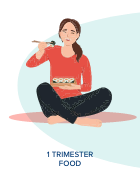
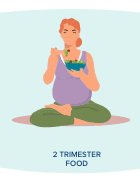
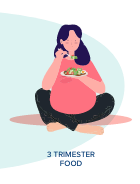
Pregnancy Foods
Explore trimester-wise food guidance for a balanced pregnancy diet.
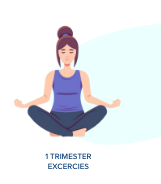
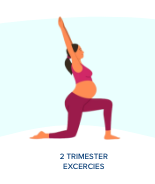
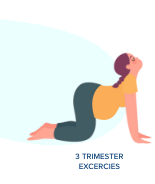
Pregnancy Exercise
Find trimester-wise exercise tips and safe activity ideas during pregnancy.
Recommended Pregnancy Tests
These are common checks for this stage. Always follow your doctor's advice for the exact tests and timing.
Book Pregnancy Tests








 To reach our help desk call 7982100200
.png)