






 Size
Size
Week 37 of Pregnancy
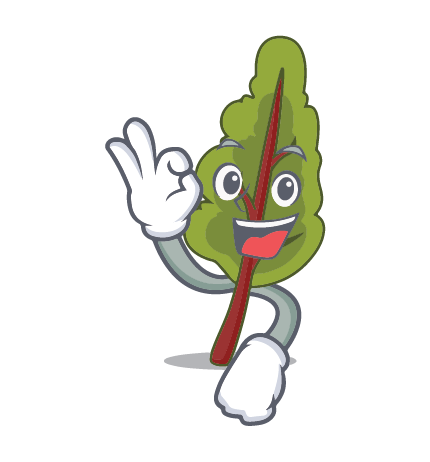
Pregnancy Week 37 marks the beginning of the early term period, as your baby continues final preparations for birth. Healthcare providers calculate pregnancy from the first day of your last menstrual period, and by week 37 your baby is often compared to the size of a bunch of Swiss chard or a small watermelon.
Understanding week 37 of pregnancy can help you know what is happening in your body as labour could begin at any time from this stage.
What Happens During Week 37 of Pregnancy?
During week 37, your baby continues gaining weight steadily, the grasp reflex is now fully developed, and the lungs continue maturing in preparation for breathing independently after birth.
As your baby settles further into position, you may notice changes in the pattern and location of movements this week.
What Are the Symptoms of Pregnancy in Week 37?
Pregnancy symptoms in week 37 often reflect a growing bump and the approach of labour.
- Increasing Pelvic Pressure
As your baby settles lower, pelvic pressure often continues to increase.
- More Frequent Braxton Hicks Contractions
Mild, irregular tightening of the uterus can become increasingly frequent as you approach full term.
- Nesting Instinct
Some people notice a sudden urge to organise or prepare their home, sometimes called nesting.
- Backache
As your bump continues to sit lower, mild back discomfort can persist.
- Loss of the Mucus Plug
Some people notice the loss of the mucus plug, which can be a sign that labour may begin in the coming days or weeks.
Baby Development in Week 37
- Steady Weight Gain Continues
Your baby continues gaining weight steadily in preparation for birth.
- Grasp Reflex Fully Developed
Your baby's grasp reflex is now fully developed.
- Lungs Continue Maturing
Your baby's lungs continue maturing, with full maturity generally reached by around week 39.
How Does Your Body Change During Week 37?
Week 37 is mainly characterised by early signs of labour preparation and increasingly frequent check-ups.
- Cervix May Begin Changing
Your cervix may begin gradually softening, thinning or slightly dilating in preparation for labour.
- Baby Settles Lower
Your baby may continue settling lower into the pelvis as birth approaches.
- Weight Gain Slows
Weight gain often slows further as you approach your due date.
Entering the final stretch? Explore early pregnancy ultrasound and prenatal packages at Max Lab.
What Should You Eat During Week 37 of Pregnancy?
A nutrient-dense diet remains important in week 37, especially as your baby completes final preparations for birth.
- Choose Iron-Rich Foods
Iron supports your blood volume and helps prevent fatigue. Good sources include lean meat, beans, chickpeas, lentils and spinach.
- Include Protein in Your Diet
Protein continues supporting your baby's development. Eggs, fish, chicken, paneer, tofu, beans and lentils are useful sources.
- Eat Smaller, Frequent Meals
Smaller meals can help ease pressure on the stomach as your bump continues to sit lower.
- Choose Energy-Sustaining Foods
Whole grains and balanced meals can help maintain energy for labour and delivery.
- Stay Hydrated
Adequate water intake supports overall health as you approach labour.
What Foods and Substances Should You Avoid?
As your baby completes final preparations for birth, avoiding certain substances and foods remains an important part of a healthy pregnancy.
- Alcohol and Tobacco
Avoid alcohol and smoking completely, as they can affect your baby's developing brain and organs.
- Excessive Caffeine
Keep caffeine intake within the limits recommended by your healthcare provider.
- Raw or Undercooked Foods
Choose properly cooked foods and follow good food-safety practices, avoiding raw or undercooked meat, eggs, unpasteurised dairy and high-mercury fish.
- Highly Processed Foods
Limit foods high in added sugars, excess salt and unhealthy fats, and focus instead on a varied, nutrient-rich diet.
Exercise During Week 37 of Pregnancy
Gentle movement can help ease pelvic pressure and support overall comfort, though it is important to listen to your body and rest when needed.
Choose activities that are comfortable for your fitness level, and avoid suddenly starting strenuous exercise without appropriate guidance.
- Walking and Gentle Exercise
Walking is a simple, low-impact way to stay active and may support your baby's positioning for birth.
- Stretching and Yoga
Gentle stretching and suitable prenatal yoga practices can support flexibility, relaxation and help ease pelvic pressure.
How Can You Prepare for a Healthy Pregnancy?
Week 37 is a good time to make sure all final preparations for labour and delivery are complete.
-
Confirm Everything Is Ready - Double-check your hospital bag, transportation plan and any care arrangements are fully in place.
-
Continue Prenatal Vitamins - Keep taking a prenatal vitamin with folic acid as recommended by your doctor.
-
Rest When Possible - Balance activity with adequate rest, since labour could begin at any time.
-
Track Fetal Movement - Continue monitoring your baby's regular patterns of movement.
-
Manage Stress - Practice relaxation techniques such as meditation, gentle yoga or deep breathing.
What Tests and Checkups Are Useful During Week 37?
Your healthcare provider may recommend a combination of tests around this stage to confirm your baby's development and monitor your health.
- Weekly Prenatal Check-Ups
Prenatal visits typically continue on a weekly basis to closely monitor you and your baby.
- Cervical Check
Your provider may check for signs of cervical softening, thinning or dilation.
- Group B Strep Results Review
If not already discussed, your provider will review your Group B Strep test results and any relevant care plan.
Week 37 Pregnancy Care Tips
A few simple habits can help you manage symptoms and prepare for labour this week:
-
Continue taking prenatal vitamins with folic acid.
-
Eat smaller, frequent meals to ease pressure on your stomach.
-
Stay well hydrated throughout the day.
-
Get plenty of rest.
-
Avoid alcohol, smoking and unapproved medications.
-
Continue tracking your baby's movements daily.
-
Manage stress with relaxation techniques.
-
Avoid self-medicating without consulting your doctor.
When Should You Consult a Doctor?
Some symptoms should not be dismissed without medical evaluation. Speak with a healthcare provider if you experience heavy vaginal bleeding, severe abdominal pain, high fever, severe dizziness or fainting, severe vomiting, regular and intensifying contractions, or your water breaking.
If you have an existing health condition or take regular medication, discussing your health with a healthcare provider is recommended as you approach your due date.
Frequently Asked Questions About Pregnancy Week 37
- How big is my baby at week 37?
Your baby is typically about the size of a bunch of Swiss chard or a small watermelon at week 37, with a fully developed grasp reflex.
- Is my baby considered full term at week 37?
Week 37 is generally considered the start of the early term period, while full term is typically reached around week 39.
- What does losing the mucus plug mean?
Losing the mucus plug can be a sign that the body is preparing for labour, though labour itself may still be days or weeks away.
- What should I eat during Week 37?
Focus on iron, protein and energy-sustaining whole grains, along with smaller, frequent meals to ease pressure on your stomach.
- Can I exercise during Week 37?
If you are healthy and have no medical restrictions, gentle activities such as walking and prenatal yoga can support overall fitness during this stage.
- When should I see a doctor during Week 37?
Seek medical advice for heavy vaginal bleeding, severe abdominal pain, high fever, severe dizziness or fainting, severe vomiting, regular and intensifying contractions, or your water breaking.
Baby Development
- Pregnancy is considered early term and the care team may discuss labour signs.
- The baby focuses on weight gain, brain development, lung maturity, and getting ready for birth.
Changes in Mother
- Breathlessness, pelvic pressure, swelling, heartburn, sleep difficulty, and Braxton Hicks contractions may become more noticeable.
- Report reduced fetal movement, bleeding, severe headache, vision changes, or fluid leakage urgently.
Pregnancy Due Date Calculator
Get ready for your baby's arrival with helpful pregnancy calculators.
Common Symptoms
Care Tips This Week
- Monitor labour signs
- Attend weekly visits
- Keep hospital bag ready


Pregnancy Foods
Explore trimester-wise food guidance for a balanced pregnancy diet.
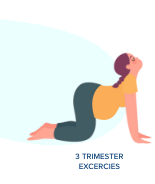
Pregnancy Exercise
Find trimester-wise exercise tips and safe activity ideas during pregnancy.
Recommended Pregnancy Tests
These are common checks for this stage. Always follow your doctor's advice for the exact tests and timing.
Book Pregnancy Tests








 To reach our help desk call 7982100200
.png)