






 Size
Size
Week 3 of Pregnancy
Pregnancy Week 3 is when fertilisation typically occurs, usually within a day of ovulation, as sperm and egg meet in the fallopian tube. Healthcare providers still calculate pregnancy from the first day of your last menstrual period, so this stage is often considered the true biological beginning of pregnancy.
Understanding week 3 of pregnancy can help you know what is happening in your body, even though most people will not yet notice any signs of pregnancy.
What Happens During Week 3 of Pregnancy?
During week 3, if sperm meets the egg in the fallopian tube, fertilisation occurs and a single-celled zygote forms. The zygote then begins dividing rapidly as it travels toward the uterus over the following days.
By the end of week 3, the developing cluster of cells, now called a blastocyst, may begin the early process of implanting into the uterine lining, a process that generally continues into week 4.
What Are the Symptoms of Pregnancy in Week 3?
Most people do not notice any pregnancy symptoms during week 3, since implantation is just beginning or has not yet occurred. Any signs felt now are usually subtle and easy to overlook.
- Mild Cramping
Light, period-like cramping can occur as the blastocyst begins to implant in the uterine lining.
- Light Spotting
Small amounts of spotting, sometimes called implantation spotting, can occur when the blastocyst attaches to the uterus.
- Fatigue
Rising progesterone levels can begin to cause mild tiredness even before a missed period.
- Breast Tenderness
Breasts may feel slightly fuller or more sensitive due to early hormonal changes.
- Bloating
Hormonal shifts around this stage can cause a feeling of fullness in the abdomen.
Baby Development in Week 3
-
Fertilisation
If sperm meets the egg in the fallopian tube, fertilisation occurs, forming a single-celled zygote containing a complete set of genetic material.
-
Rapid Cell Division
The zygote divides repeatedly, first becoming a solid ball of cells called a morula, and then a fluid-filled structure called a blastocyst.
-
Journey to the Uterus and Early Implantation
The blastocyst travels through the fallopian tube toward the uterus, and by the end of week 3 may begin attaching to the uterine lining.
How Does Your Body Change During Week 3?
Week 3 is mainly characterised by hormonal support of the corpus luteum and the earliest stages of implantation.
-
Corpus Luteum Formation
After the egg is released, the empty follicle becomes the corpus luteum, which produces progesterone to support a possible pregnancy.
-
Uterine Lining Thickens Further
The uterine lining continues to thicken and develop a rich blood supply to support implantation.
-
Hormone Levels Rise Gradually
Progesterone and estrogen levels continue to rise, though hCG is generally not yet detectable until implantation begins.
CTA: Think you might be pregnant soon? Explore beta-hCG blood test packages at Max Lab.
What Should You Eat During Week 3 of Pregnancy?
Because conception may have just occurred, it is a good time to continue thinking of your diet as supporting the earliest stages of embryonic development.
-
Include Folic Acid-Rich Foods
Folate is essential now, as early neural development begins soon after implantation. Include foods such as spinach, broccoli, lentils, beans, avocado and fortified cereals.
-
Choose Iron-Rich Foods
Iron supports healthy blood production and normal oxygen transport. Good dietary sources include lean meat, beans, chickpeas, lentils and spinach.
-
Include Protein in Your Diet
Protein supports rapid cell division and early tissue development. Eggs, fish, chicken, paneer, tofu, beans and lentils can provide protein as part of a balanced diet.
-
Eat Plenty of Fruits and Vegetables
Fruits and vegetables provide vitamins, minerals and dietary fibre. Include a variety of seasonal produce such as oranges, apples, bananas, carrots and tomatoes.
-
Choose Whole Grains and Calcium-Rich Foods
Whole grains such as oats, brown rice and whole-wheat products provide fibre and other nutrients. Milk, yoghurt and cheese can contribute calcium.
What Foods and Substances Should You Avoid?
As fertilisation and early cell division may already be underway, it is a good time to be mindful of substances and foods that could affect early development.
-
Alcohol and Tobacco
Avoid alcohol and smoking completely, as they can interfere with implantation and early embryonic development.
-
Excessive Caffeine
Keep caffeine intake within the limits recommended by your healthcare provider.
-
Raw or Undercooked Foods
Choose properly cooked foods and follow good food-safety practices to reduce the risk of infections that could affect early pregnancy.
-
Highly Processed Foods
Limit foods that are high in added sugars, excess salt and unhealthy fats, and focus instead on a varied, nutrient-rich diet.
Exercise During Week 3 of Pregnancy
Gentle, regular movement can continue to support circulation and overall well-being during this early and sensitive stage.
Choose activities that are comfortable for your fitness level, and avoid suddenly starting strenuous exercise without appropriate guidance.
- Walking and Gentle Exercise
Walking is a simple, low-impact way to stay active and can easily be incorporated into your daily routine.
- Stretching and Yoga
Gentle stretching and suitable yoga practices can support flexibility and relaxation.
How Can You Prepare for a Healthy Pregnancy?
Week 3 is a good time to continue building habits that will support a healthy pregnancy in the weeks ahead.
-
Stay Hydrated - Drink plenty of water throughout the day to support overall health.
-
Get Adequate Sleep - Aim for 7 to 9 hours of quality sleep each night, as mild fatigue may begin this week.
-
Manage Stress - Practice relaxation techniques such as meditation, yoga or deep breathing.
-
Avoid Overheating - Avoid hot tubs, saunas and excessive heat exposure during this sensitive stage.
-
Continue Prenatal Vitamins - Continue taking a prenatal vitamin with folic acid as advised by your doctor.
What Tests and Checkups Are Useful During Week 3?
Not everyone needs the same tests this early. Your healthcare provider may recommend investigations based on your medical history, lifestyle and how far along you may be.
-
Home Pregnancy Test
A home pregnancy test is usually too early to give an accurate result in week 3, since hCG levels are still very low.
-
Beta-hCG Blood Test
A highly sensitive blood test may detect very early hCG if implantation has just begun, though it may still be too early for some.
-
Preconception Checkup
If you have not already had one, a preconception checkup can help identify any health concerns.
Week 3 Pregnancy Care Tips
A few simple habits can help support this early, invisible stage of pregnancy:
-
Continue taking folic acid supplements if recommended.
-
Maintain a balanced diet with a variety of nutrient-rich foods.
-
Stay physically active with gentle exercise.
-
Avoid smoking, alcohol and unnecessary medications.
-
Get adequate sleep and manage stress.
-
Avoid excessive heat exposure such as hot tubs or saunas.
-
Stay hydrated throughout the day.
-
Seek medical advice if you have concerns about fertility or early pregnancy.
When Should You Consult a Doctor?
Some symptoms should not be attributed to a normal cycle without medical evaluation. Speak with a healthcare provider if you experience heavy bleeding rather than light spotting, severe abdominal pain, high fever, persistent dizziness or other unusual or concerning symptoms.
If you have an existing health condition or take regular medication and think you may be pregnant, discussing your health with a healthcare provider is recommended.
Frequently Asked Questions About Pregnancy Week 3
- Is Week 3 of pregnancy actually pregnancy?
Week 3 is when fertilisation typically occurs, making it an important early milestone, even though most people will not yet notice any signs of pregnancy.
- What are the symptoms of pregnancy at 3 weeks?
Most people do not experience noticeable pregnancy-specific symptoms during week 3, though some may notice mild cramping, light spotting or fatigue as implantation begins.
- Can I take a pregnancy test in week 3?
A pregnancy test is generally still too early during week 3, since hCG levels are typically too low to be detected reliably.
- Is implantation bleeding normal?
Yes. Light spotting can occur when the blastocyst attaches to the uterine lining and is usually harmless, though heavy bleeding should be discussed with a doctor.
- Can a blood test detect pregnancy during Week 3?
A beta-hCG blood test can sometimes detect very early pregnancy toward the end of week 3 if implantation has just occurred, though results can vary.
- What should I eat during Week 3?
Focus on a balanced diet containing vegetables, fruits, whole grains, protein sources and folic acid, iron and calcium-rich foods, as these are especially important now.
- Can I exercise during Week 3?
If you are healthy and have no medical restrictions, regular moderate physical activity such as walking and gentle exercise can support overall fitness during this stage.
Baby Development
- The fertilised egg is dividing quickly and moving towards the uterus for implantation.
- Early organs and body systems are developing rapidly, so regular prenatal care is important.
Changes in Mother
- Tiredness, nausea, breast tenderness, food aversions, and mood changes can be common.
- Symptoms vary widely; speak with your doctor if discomfort is severe or worrying.
Pregnancy Due Date Calculator
Get ready for your baby's arrival with helpful pregnancy calculators.
Common Symptoms
Care Tips This Week
- Watch for implantation symptoms
- Continue prenatal vitamins
- Book a test if period is missed

Pregnancy Foods
Explore trimester-wise food guidance for a balanced pregnancy diet.
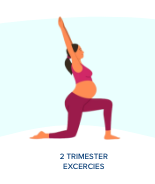
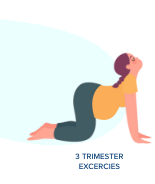
Pregnancy Exercise
Find trimester-wise exercise tips and safe activity ideas during pregnancy.
Recommended Pregnancy Tests
These are common checks for this stage. Always follow your doctor's advice for the exact tests and timing.
Book Pregnancy Tests








 To reach our help desk call 7982100200
.png)