





 Size
Size
Week 26 of Pregnancy
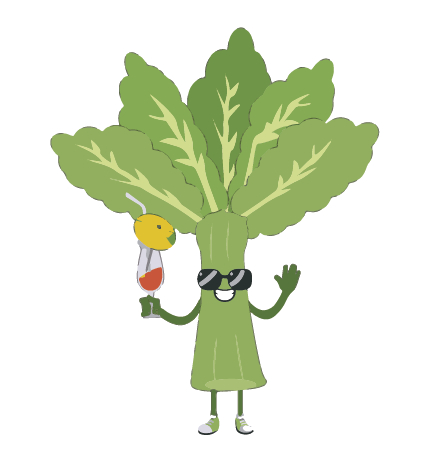
Pregnancy Week 26 brings your baby closer to the end of the second trimester, with continued important sensory development. Healthcare providers calculate pregnancy from the first day of your last menstrual period, and by week 26 your baby is often compared to the size of a scallion bunch or a large cucumber.
Understanding week 26 of pregnancy can help you know what is happening in your body as your baby's eyes begin to open during this stage.
What Happens During Week 26 of Pregnancy?
During week 26, your baby's eyes begin to open for the first time, and the lungs continue developing and producing surfactant to prepare for breathing. Your baby also continues responding to sounds from outside the womb.
As you approach the end of the second trimester, many people notice a continued increase in energy and appetite alongside a growing bump.
What Are the Symptoms of Pregnancy in Week 26?
Pregnancy symptoms in week 26 often reflect a growing bump and continued changes in circulation and digestion.
- Backache
As your bump continues to grow, mild back discomfort can persist.
- Swollen Feet or Ankles
Increased blood volume and fluid retention can lead to mild swelling in the feet or ankles.
- Braxton Hicks Contractions
Mild, irregular tightening of the uterus can continue to occur occasionally during this stage.
- Occasional Heartburn
The growing uterus can continue to put pressure on the stomach, leading to mild heartburn.
- Trouble Sleeping
A growing bump and increased baby movement can continue to make comfortable sleep more difficult.
Baby Development in Week 26
- Eyes Begin to Open
Your baby's eyes begin opening for the first time this week, though vision remains limited.
- Lungs Continue Producing Surfactant
Your baby's lungs continue developing and producing surfactant, an important step in preparing for breathing after birth.
- Responds to External Sounds
Your baby continues responding to sounds from outside the womb, including voices and noises.
How Does Your Body Change During Week 26?
Week 26 is mainly characterised by continued uterine growth as you approach the end of the second trimester.
- Uterus Continues Rising
Your uterus continues growing steadily above the level of your belly button.
- Weight Gain Continues
Steady, healthy weight gain often continues as your baby grows.
- Increasing Blood Volume
Your body continues producing more blood to support your baby's development.
Curious about your baby's growth as you near the third trimester? Explore early pregnancy ultrasound and prenatal packages at Max Lab.
What Should You Eat During Week 26 of Pregnancy?
A nutrient-dense diet remains important in week 26, especially as your baby's eyes and lungs continue important development.
- Choose Iron-Rich Foods
Iron supports your rising blood volume and helps prevent fatigue. Good sources include lean meat, beans, chickpeas, lentils and spinach.
- Include Protein in Your Diet
Protein supports your baby's rapidly developing organs and tissues. Eggs, fish, chicken, paneer, tofu, beans and lentils are useful sources.
- Choose Fibre-Rich Foods
Fibre from fruits, vegetables and whole grains can help support digestion and ease heartburn.
- Eat Smaller, Frequent Meals
Smaller meals can help reduce heartburn as your growing uterus puts pressure on your stomach.
- Choose Calcium-Rich Foods
Calcium continues to support your baby's developing bones. Milk, yoghurt and cheese are useful sources.
What Foods and Substances Should You Avoid?
As your baby's eyes and lungs continue important development, avoiding certain substances and foods remains an important part of a healthy pregnancy.
- Alcohol and Tobacco
Avoid alcohol and smoking completely, as they can affect your baby's developing brain and organs.
- Excessive Caffeine
Keep caffeine intake within the limits recommended by your healthcare provider.
- Raw or Undercooked Foods
Choose properly cooked foods and follow good food-safety practices, avoiding raw or undercooked meat, eggs, unpasteurised dairy and high-mercury fish.
- Spicy or Fatty Foods
These foods can sometimes worsen heartburn; consider limiting them if you notice increased discomfort.
Exercise During Week 26 of Pregnancy
Gentle movement can help ease backaches and support circulation, though it is important to listen to your body and rest when needed.
Choose activities that are comfortable for your fitness level, and avoid suddenly starting strenuous exercise without appropriate guidance.
- Walking and Gentle Exercise
Walking is a simple, low-impact way to stay active and can help support circulation and reduce swelling.
- Stretching and Yoga
Gentle stretching and suitable prenatal yoga practices can support flexibility, relaxation and help improve sleep comfort.
How Can You Prepare for a Healthy Pregnancy?
Week 26 is a good time to continue building healthy habits and preparing for the third trimester ahead.
-
Complete Your Glucose Screening - If not already done, this is an important time to complete your glucose screening test.
-
Continue Prenatal Vitamins - Keep taking a prenatal vitamin with folic acid as recommended by your doctor.
-
Talk and Sing to Your Baby - As your baby continues responding to sound, talking or singing can help support bonding.
-
Get Adequate Rest - Continue prioritising sleep and rest as your body adjusts to a growing bump.
-
Manage Stress - Practice relaxation techniques such as meditation, gentle yoga or deep breathing.
What Tests and Checkups Are Useful During Week 26?
Your healthcare provider may recommend a combination of tests around this stage to confirm your baby's development and monitor your health.
- Glucose Screening Test
This test, typically performed between weeks 24 and 28, screens for gestational diabetes.
- Routine Prenatal Check-Up
Regular check-ups continue to monitor your health and your baby's growth.
- Blood Pressure and Urine Checks
Routine monitoring continues to track your overall health as you approach the third trimester.
Week 26 Pregnancy Care Tips
A few simple habits can help you manage symptoms and support your baby's development this week:
-
Continue taking prenatal vitamins with folic acid.
-
Eat smaller, frequent meals to help manage heartburn.
-
Stay well hydrated throughout the day.
-
Get plenty of rest.
-
Avoid alcohol, smoking and unapproved medications.
-
Complete your glucose screening test if not already done.
-
Manage stress with relaxation techniques.
-
Avoid self-medicating without consulting your doctor.
When Should You Consult a Doctor?
Some symptoms should not be dismissed without medical evaluation. Speak with a healthcare provider if you experience heavy vaginal bleeding, severe abdominal pain, high fever, severe dizziness or fainting, severe vomiting, or unusual vaginal discharge.
If you have an existing health condition or take regular medication, discussing your health with a healthcare provider early in pregnancy is recommended.
Frequently Asked Questions About Pregnancy Week 26
- How big is my baby at week 26?
Your baby is typically about the size of a scallion bunch or large cucumber at week 26, with eyes beginning to open.
- When do a baby's eyes open?
Your baby's eyes typically begin opening for the first time around week 26, though vision remains limited at this stage.
- Is week 26 near the end of the second trimester?
Yes. Week 26 is approaching the end of the second trimester, which typically concludes around week 27.
- What should I eat during Week 26?
Focus on iron, protein, fibre and calcium-rich foods, along with smaller, frequent meals to help manage heartburn.
- Can I exercise during Week 26?
If you are healthy and have no medical restrictions, gentle activities such as walking and prenatal yoga can support overall fitness during this stage.
- When should I see a doctor during Week 26?
Seek medical advice for heavy vaginal bleeding, severe abdominal pain, high fever, severe dizziness or fainting, severe vomiting, or other unusual or concerning symptoms.
Baby Development
- The eyes may begin to open and the baby may react to light or sound.
- Growth, movement, senses, and organ maturity continue through this stage.
Changes in Mother
- Energy may improve, the bump becomes more visible, and movement may become easier to notice.
- Backache, acidity, constipation, leg cramps, and skin changes can occur.
Pregnancy Due Date Calculator
Get ready for your baby's arrival with helpful pregnancy calculators.
Common Symptoms
Care Tips This Week
- Watch for contractions
- Manage cramps
- Discuss travel safety

Pregnancy Foods
Explore trimester-wise food guidance for a balanced pregnancy diet.

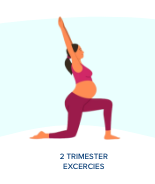
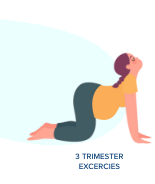
Pregnancy Exercise
Find trimester-wise exercise tips and safe activity ideas during pregnancy.
Recommended Pregnancy Tests
These are common checks for this stage. Always follow your doctor's advice for the exact tests and timing.
Book Pregnancy Tests








 To reach our help desk call 7982100200
.png)