






 Size
Size
Week 5 of Pregnancy
Pregnancy Week 5 is when many people confirm their pregnancy, as this is typically around one week after a missed period. Healthcare providers calculate pregnancy from the first day of your last menstrual period, and week 5 marks the true start of the embryonic period.
Understanding week 5 of pregnancy can help you know what is happening in your body as early symptoms often become more noticeable during this stage.
What Happens During Week 5 of Pregnancy?
During week 5, hCG levels continue to rise rapidly, often doubling every couple of days, which can intensify early pregnancy symptoms. This is a period of rapid and important embryonic development.
Many people schedule their first prenatal appointment around this time, once pregnancy has been confirmed with a home test or blood test.
What Are the Symptoms of Pregnancy in Week 5?
With hCG rising rapidly, week 5 is often when early pregnancy symptoms become more noticeable for many people.
-
Nausea
Morning sickness often begins around week 5 and can occur at any time of day.
-
Breast Tenderness
Breasts may feel swollen, sore or sensitive as hormone levels continue to rise.
-
Fatigue
Many people feel noticeably more tired as progesterone levels increase.
-
Frequent Urination
Increased blood flow to the pelvic area and rising hCG can lead to more frequent urination.
-
Food Aversions or Cravings
Some people notice new sensitivities to certain tastes or smells, along with specific food cravings.
Baby Development in Week 5
-
Neural Tube Forms
The neural tube, which will develop into the brain and spinal cord, begins forming along the length of the embryo.
-
Heart Begins Developing
A bulge in the centre of the embryo marks the beginning of the heart, which will soon start to develop a regular rhythm.
-
Placenta Begins Forming
The placenta starts developing finger-like projections called chorionic villi, which will eventually help deliver nutrients from you to your baby.
How Does Your Body Change During Week 5?
Week 5 is mainly characterised by rapidly rising hCG and continued hormonal support for the developing pregnancy.
-
Rapidly Rising hCG
hCG levels roughly double every couple of days at this stage, often intensifying early pregnancy symptoms.
-
Increasing Progesterone and Estrogen
These hormones continue to rise to support the uterine lining and early embryonic development.
-
Uterus Begins to Grow
The uterus starts to enlarge slightly to accommodate the growing embryo, though this is not yet visible externally.
CTA: Ready to confirm your pregnancy or start prenatal care? Explore first prenatal checkup packages at Max Lab.
What Should You Eat During Week 5 of Pregnancy?
Good nutrition remains essential in week 5, particularly as the neural tube continues to develop. Eating small, frequent meals can also help manage nausea.
-
Include Folic Acid-Rich Foods
Folate continues to be essential as the neural tube develops. Include foods such as spinach, broccoli, lentils, beans, avocado and fortified cereals.
-
Choose Iron-Rich Foods
Iron supports your increasing blood volume and helps prevent fatigue. Good sources include lean meat, beans, chickpeas, lentils and spinach.
-
Include Protein in Your Diet
Protein supports the rapid growth of your baby's developing tissues and organs. Eggs, fish, chicken, paneer, tofu, beans and lentils are useful sources.
-
Eat Plenty of Fruits and Vegetables
Fruits and vegetables provide vitamins, minerals and dietary fibre. Include a variety of seasonal produce such as oranges, apples, bananas, carrots and tomatoes.
-
Choose Whole Grains and Calcium-Rich Foods
Whole grains provide sustained energy and can help ease digestion. Milk, yoghurt and cheese can contribute calcium for your baby's developing bones.
What Foods and Substances Should You Avoid?
As your baby's development continues rapidly, avoiding certain substances and foods remains an important part of a healthy pregnancy.
-
Alcohol and Tobacco
Avoid alcohol and smoking completely throughout pregnancy, as they can harm your baby's development.
-
Excessive Caffeine
Keep caffeine intake within the limits recommended by your healthcare provider.
-
Raw or Undercooked Foods
Choose properly cooked foods and follow good food-safety practices, avoiding raw or undercooked meat, eggs, unpasteurised dairy and high-mercury fish.
-
Highly Processed Foods
Limit foods that are high in added sugars, excess salt and unhealthy fats, and focus instead on a varied, nutrient-rich diet.
Exercise During Week 5 of Pregnancy
Gentle, consistent movement can help ease fatigue and support overall well-being, though it is important to avoid overheating and overexertion.
Choose activities that are comfortable for your fitness level, and avoid suddenly starting strenuous exercise without appropriate guidance.
-
Walking and Gentle Exercise
Walking is a simple, low-impact way to stay active and can easily be incorporated into your daily routine.
-
Stretching and Yoga
Gentle stretching and suitable prenatal yoga practices can support flexibility, relaxation and help ease early pregnancy discomforts.
How Can You Prepare for a Healthy Pregnancy?
Week 5 is a good time to formally begin your prenatal care journey and settle into healthy habits.
-
Schedule Your First Prenatal Visit - If you haven't already, book your first prenatal appointment with your healthcare provider.
-
Continue Prenatal Vitamins - Keep taking a prenatal vitamin with folic acid as recommended by your doctor.
-
Manage Nausea - Eating small, frequent meals, staying hydrated and trying ginger may help ease morning sickness.
-
Get Adequate Rest - Prioritise sleep and rest, as fatigue can be more pronounced this week.
-
Manage Stress - Practice relaxation techniques such as meditation, gentle yoga or deep breathing.
What Tests and Checkups Are Useful During Week 5?
Your healthcare provider may recommend a combination of tests around this stage to confirm and monitor your pregnancy.
-
Beta-hCG Blood Test
A blood test can confirm pregnancy and track how hCG levels are rising.
-
First Prenatal Visit
Your first prenatal visit often includes a physical exam, health history review and discussion of your due date.
-
Blood Type and Rh Factor
Your doctor will typically check your blood type and Rh factor early in pregnancy.
Week 5 Pregnancy Care Tips
A few simple habits can help you manage early symptoms and support a healthy start to pregnancy:
-
Schedule your first prenatal appointment if you haven't already.
-
Start or continue taking prenatal vitamins with folic acid.
-
Eat small, frequent, nutritious meals to help manage nausea.
-
Stay well hydrated throughout the day.
-
Get plenty of rest.
-
Avoid alcohol, smoking and unapproved medications.
-
Manage stress with relaxation techniques.
-
Avoid self-medicating without consulting your doctor.
When Should You Consult a Doctor?
Some symptoms should not be dismissed without medical evaluation. Speak with a healthcare provider if you experience heavy vaginal bleeding, severe abdominal pain, high fever, severe dizziness or fainting, severe vomiting, or unusual vaginal discharge.
If you have an existing health condition or take regular medication, discussing your health with a healthcare provider as early as possible in pregnancy is recommended.
Frequently Asked Questions About Pregnancy Week 5
-
Is Week 5 of pregnancy actually pregnancy?
Yes. By week 5, hCG levels are typically high enough for reliable confirmation, and this week marks the true start of the embryonic period.
-
Is nausea normal at week 5?
Yes. Morning sickness commonly begins around week 5 due to rapidly rising hCG levels.
-
Can I confirm my pregnancy now?
Yes. Both home pregnancy tests and a beta-hCG blood test are typically reliable by week 5.
-
What foods help with morning sickness?
Small, frequent meals, bland foods, ginger and staying hydrated can help ease nausea for many people.
-
Can a blood test detect pregnancy during Week 5?
Yes. A beta-hCG blood test at this stage can confirm pregnancy and track how hormone levels are rising.
-
What should I eat during Week 5?
Focus on folic acid-rich foods, along with protein, iron and calcium-rich foods, fruits and vegetables, choosing smaller meals if nausea is present.
-
Can I exercise during Week 5?
If you are healthy and have no medical restrictions, gentle activities such as walking and prenatal yoga can support overall fitness during this stage.
Baby Development
- The early neural tube and basic structures start forming.
- Early organs and body systems are developing rapidly, so regular prenatal care is important.
Changes in Mother
- Tiredness, nausea, breast tenderness, food aversions, and mood changes can be common.
- Symptoms vary widely; speak with your doctor if discomfort is severe or worrying.
Pregnancy Due Date Calculator
Get ready for your baby's arrival with helpful pregnancy calculators.
Common Symptoms
Care Tips This Week
- Confirm pregnancy
- Start prenatal care
- Discuss supplements

Pregnancy Foods
Explore trimester-wise food guidance for a balanced pregnancy diet.
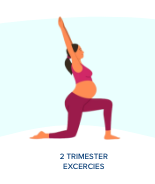
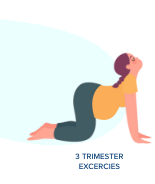
Pregnancy Exercise
Find trimester-wise exercise tips and safe activity ideas during pregnancy.
Recommended Pregnancy Tests
These are common checks for this stage. Always follow your doctor's advice for the exact tests and timing.
Book Pregnancy Tests








 To reach our help desk call 7982100200
.png)