




Home Sample Collection

Highly Trained Staff & Doctors

Same Day Reports Over Email

Zero Contamination QualiCare Kit

Home > Category > Kidney Test > Kidney Test in Gurugram
Showing 1 - 15 of 103
Kidney disease affects millions of people globally. The kidneys are essential organs that remove waste products such as creatinine and urea from the blood. To avoid kidney damage, tests are important to understand the causes that lead to kidney problems. People in Gurugram can develop chronic problems in the kidneys due to uncontrolled diabetes, high blood pressure and heart diseases. To ensure that the kidneys function properly, people need to address the underlying causes of kidney diseases.
The kidney test includes a variety of tests designed to assess diverse aspects of kidney function and distinguish potential kidney issues. These tests may incorporate blood tests to survey levels of creatinine, urea, and electrolytes, which can show how well the kidneys are filtering waste items from the blood. Urine tests may moreover be performed to measure protein levels, evaluate kidney function, and distinguish signs of contamination or inflammation. Furthermore, imaging tests such as ultrasound, CT scans, or MRI may be utilized to visualize the structure of the kidneys and recognize any abnormalities. Some advanced diagnostic methods may also involve nuclear medicine scans for a more detailed assessment of kidney performance.
A kidney test is a medical evaluation used to assess how well the kidneys are functioning in filtering waste, balancing fluids, and maintaining overall body health. Common tests include blood and urine analyses, such as creatinine levels, glomerular filtration rate (GFR), and blood urea nitrogen (BUN). These tests help detect kidney damage, monitor chronic kidney disease (CKD), and guide treatment plans. Early diagnosis through regular kidney testing in Gurugram is essential, especially for individuals with diabetes, high blood pressure, or a family history of kidney problems, as it enables timely intervention and reduces the risk of severe complications.
A kidney test may be endorsed for different reasons, counting routine health screenings, checking chronic kidney diseases, examining indications such as weakness, swelling, or changes in urination, and evaluating kidney function sometime before and after restorative methods or medications. People with risk components for kidney disease, such as diabetes, hypertension, weight gain, or a family history of kidney issues, may moreover benefit from regular kidney testing to identify and oversee potential issues early.
In addition, kidney blood tests are often recommended when unexplained symptoms such as persistent fatigue, muscle cramps, or nausea occur, as these can indicate declining kidney function. Doctors in Gurugram may also order these tests to monitor the effects of certain medications that can strain the kidneys, ensuring timely adjustments to avoid damage. For hospitalised patients, especially those undergoing surgery or treatments like chemotherapy, kidney function monitoring is critical for assessing recovery and managing potential complications.
Preparations for a standard kidney lab test are simple. Here's the list of some of the factors to consider:
Fasting: Generally, no fasting is required before the blood test for a kidney infection. However, the healthcare provider may suggest fasting for 8-12 hours before the test, depending on the underlying medical conditions.
Hydration: Ensure adequate hydration before undergoing a kidney health test, as this makes it easier to draw blood, particularly for a blood urea nitrogen (BUN) level test. Healthcare experts recommend this to improve the accuracy of the test.
Medication: Before undergoing a blood test for a kidney infection, inform the healthcare provider about any prescribed medicines or vitamin supplements being taken.
Dietary Restrictions: Avoid eating high-protein meals before the test to prevent an increase in BUN levels.
Other Considerations: Healthcare experts advise against weight lifting or high-intensity interval training before the blood test, as these activities can affect the kidney diagnostic test results.
The procedure of a kidney blood test is very simple and usually takes less than 10 minutes. Here's the list of things to expect during the procedure:
Sample Collection: When a blood test to check the kidney is performed, the lab technician present will use a sterile needle to collect blood from the vein in the arm. In some cases, the healthcare provider may suggest a urine sample collection for detecting bacteria or yeast, which can cause the infection.
Labelling: After taking the sample, the lab technician will transfer the blood into a vial or test tube. Then send it to the laboratory for analysis.
Other Considerations: During the kidney lab test, the levels of creatinine, BUN and electrolytes such as potassium and sodium are measured. Urine tests may be recommended, such as an albumin-to-creatinine ratio or other specific evaluations. These tests screen for high albumin levels, known as albuminuria. A healthcare expert may recommend this screening if they suspect an increased risk of kidney disease, including due to diabetes, high blood pressure, or certain genetic kidney conditions.
Once the kidney diagnostic test is performed, what do the normal, high and low range depict? There are many ways in which healthcare professionals interpret test results for creatinine, which is measured in blood or urine.
Normal A normal creatinine level generally indicates healthy kidney function. For adults, the typical range in blood is about 0.6–1.2 mg/dL for men and 0.5–1.1 mg/dL for women. In urine, the range may vary depending on the collection period. Normal results mean the kidneys are effectively removing creatinine from the blood, maintaining the body's balance of fluids and waste products.
High High creatinine levels often suggest impaired kidney function or kidney disease. This can occur due to conditions such as chronic kidney disease, severe dehydration, certain medications, or muscle injuries. Elevated levels indicate the kidneys are struggling to filter waste efficiently, which may require further diagnostic tests like eGFR (estimated glomerular filtration rate) to determine severity.
Low Low creatinine levels are less common and may indicate reduced muscle mass, malnutrition, liver disease, or pregnancy. In some cases, low levels are not a cause for concern, especially if associated with low muscle mass rather than kidney issues. However, persistently low levels should be evaluated alongside other tests to rule out underlying health problems.
A myriad of lifestyle, medicinal and genetic factors can lead to kidney issues. A major culprit is uncontrolled diabetes or high blood pressure, which can, over time, damage the small filtering units in the kidneys. It is also promoted by obesity, smoking, long-term consumption of certain drugs (for pain, such as analgesics), and dehydration. In addition, individuals with a family history of kidney problems and people over age 60 are at higher risk.
Regular monitoring is essential, especially for individuals falling into any of these risk categories. A kidney disease blood test in Gurugram helps detect early signs of malfunction, even before symptoms appear. Creatinine levels, estimated GFR, and blood urea nitrogen are part of a blood test to check the kidneys, giving insights into kidney performance. Early detection through such tests is vital to delay or prevent the progression of kidney disease.
The signs and symptoms of chronic kidney disease develop over time, but here are a few signs to watch out for in the early stages. If any of these symptoms are present, it is important to get a kidney health test in Gurugram and seek early treatment. Here are the symptoms to watch out for:
Nausea
Vomiting
Loss of appetite
Fatigue and weakness
Sleep problems
Urinating more or less
Decreased mental sharpness
Muscle cramps
Swelling of feet and ankles
Dry, itchy skin
High blood pressure (hypertension) that's difficult to control
Shortness of breath, if fluid builds up in the lungs
Chest pain, if fluid builds up around the lining of the heart
The signs and symptoms of kidney disease are often non-specific. This means other illnesses can also cause them.
Maintaining strong kidney health is vital, and it can be simpler than it seems. Here are three practical pointers to support kidney function:
Stay Hydrated & Eat Right Staying hydrated is essential to keeping the kidneys free of toxins that, when crystallised, can form stones. A healthy and balanced diet that includes fruits, vegetables, l
A Kidney Function Test (KFT) is a series of blood and urine tests that provide valuable insights into how well your kidneys are functioning. These tests assess various aspects such as creatinine levels, blood urea nitrogen, and estimated glomerular filtration rate (eGFR).
One common cause is high blood pressure, which puts a strain on the kidneys over time. Diabetes, particularly uncontrolled diabetes, can also lead to kidney damage due to elevated blood sugar levels impacting the small blood vessels in the organs.
These tests collectively help healthcare providers assess kidney efficiency, detect potential damage early, and guide treatment decisions for maintaining long-term renal health.
A normal kidney level typically refers to having healthy creatinine and blood urea nitrogen levels within a specific range. The normal values can vary depending on factors like age, gender, muscle mass, and medical conditions. Maintaining normal kidney levels is crucial for proper waste removal, fluid balance, and overall health, helping to prevent future kidney complications.
If you suspect a kidney infection, your healthcare provider may recommend a urine test to check for bacteria or white blood cells. This test can help determine if an infection is present in your urinary tract system.
Stage 3 kidney failure indicates a moderate decrease in kidney function, where symptoms may start to become more noticeable. At this stage, regular monitoring, dietary adjustments, and medical guidance are essential to slow progression and maintain the best possible kidney function.

Hepatitis refers to inflammation of the liver and can have several causes, in...Read More

Kidney failure rarely starts with one dramatic warning sign. In many cases, t...Read More

Kidneys are among the most vital organs in the human body, as they act as the...Read More

Uremia is a word that makes people raise an eyebrow and question. It's no...Read More

Urinary tract stones, commonly known as kidney stones, are hard mineral depos...Read More
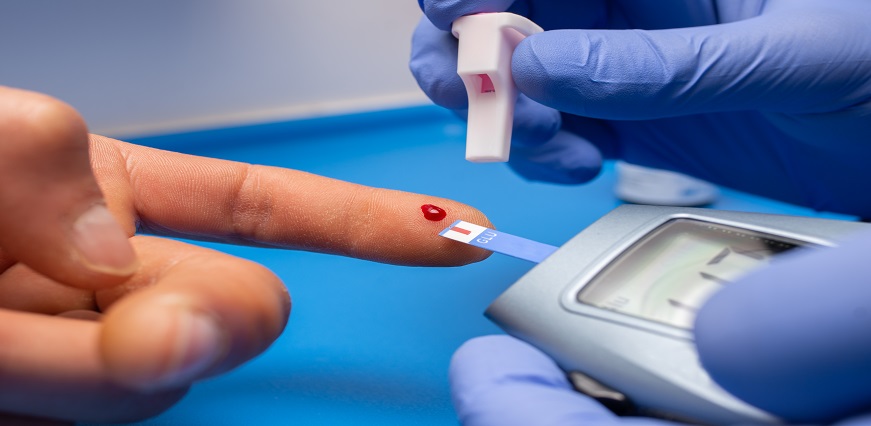
High blood urea means that the level of urea in the blood is higher than the ...Read More

High uric acid is becoming a common health concern among people of all ages. ...Read More

The elimination of waste products, toxins, and excessive water from the body ...Read More

A urinary tract infection (UTI) is an infection in any part of the urinary sy...Read More

Uric acid is a chemical created when the body breaks down substances called p...Read More

Kidney stones can be a tedious and painful experience for the sufferer. It is...Read More

Bleeding in urine in most cases may not be an indicator of a serious conditio...Read More
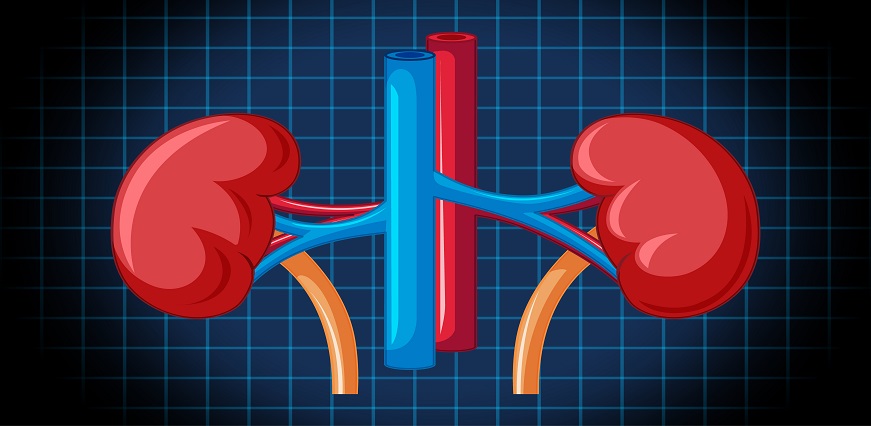
Two bean-shaped organs in the human body, the kidneys are as important for ma...Read More

Creatinine is a chemical by-product produced by regular muscle metabolism as ...Read More
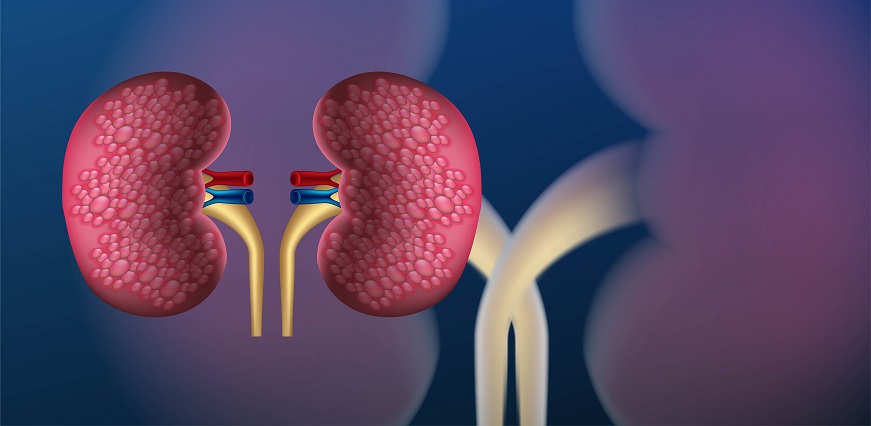
Kidneys perform many important functions in a person's body, such as clea...Read More
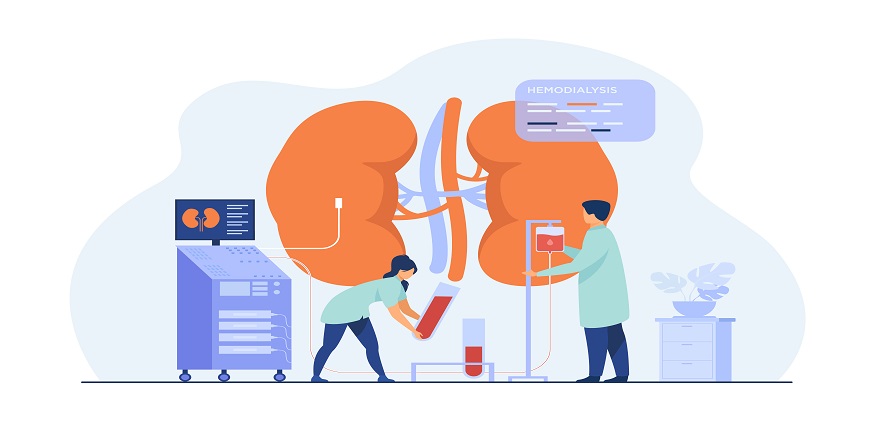
The kidneys are two bean-shaped organs in the human body, hardly bigger than ...Read More
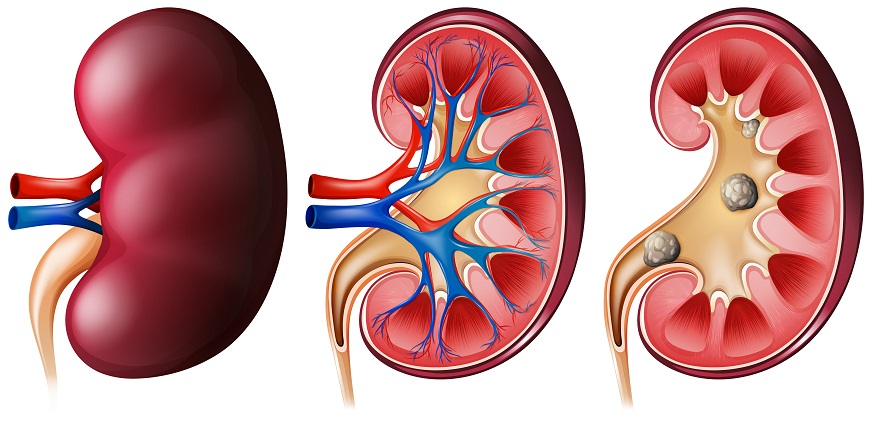
Kidneys are among the most important organs in the human body as they filter ...Read More
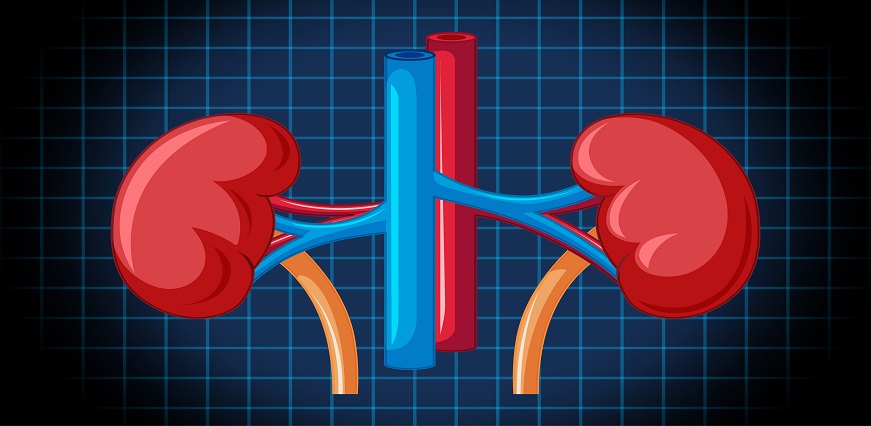
The kidneys play an important role in maintaining overall health. One of thei...Read More
.png)

 SORT
SORT











 To reach our help desk call 7982100200